A library of 55 practical field guides for understanding what you grow, when you might harvest it, and what it brings to the table.
Compare crops by their indicative time to harvest and qualitative nutrient density. The expanded editorial scale now includes Very high for substantial amounts of several comparison nutrients, often with notable vitamin content. Look beyond the category to representative food values and their exact raw or cooked bases, growing notes, and useful ways to enjoy each crop.
55Roots, leaves, herbs, pulses, cereals, oilseeds, perennial fruit, nuts, and cultivated fungi, with practical growing and food guidance.
Harvest windows
25 days–7 yearsThe overall indicative window across all 55 guides; species, variety, and local conditions set the pace. Full mushroom timings begin at inoculation, while ready-to-fruit kits are already colonized and often fruit sooner. Perennial crops — grapes, fruit trees, cane fruit and nuts — count from planting to a first meaningful crop, which takes one to several years; full production comes later.
Nutrition lens
5 nutrientsProtein, fibre, folate, iron, and potassium in the stated raw or cooked foods.
Browse the field guides
Meet the crops
Start with the featured order, or arrange the same 55 guides by their shortest listed harvest time or editorial nutrient-density category. Guides added since the first edition broaden nutritional and homestead diversity; they are not a ranked shortlist.
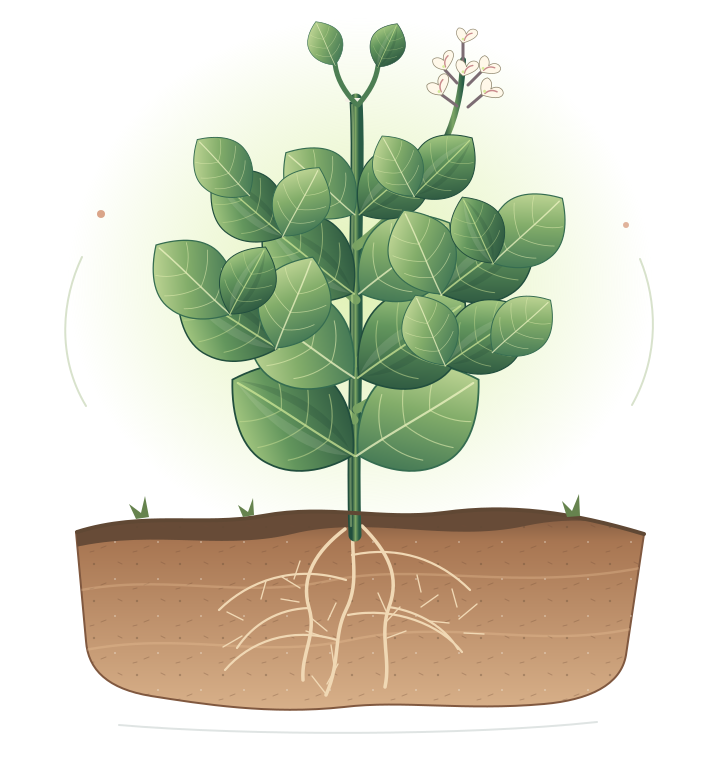
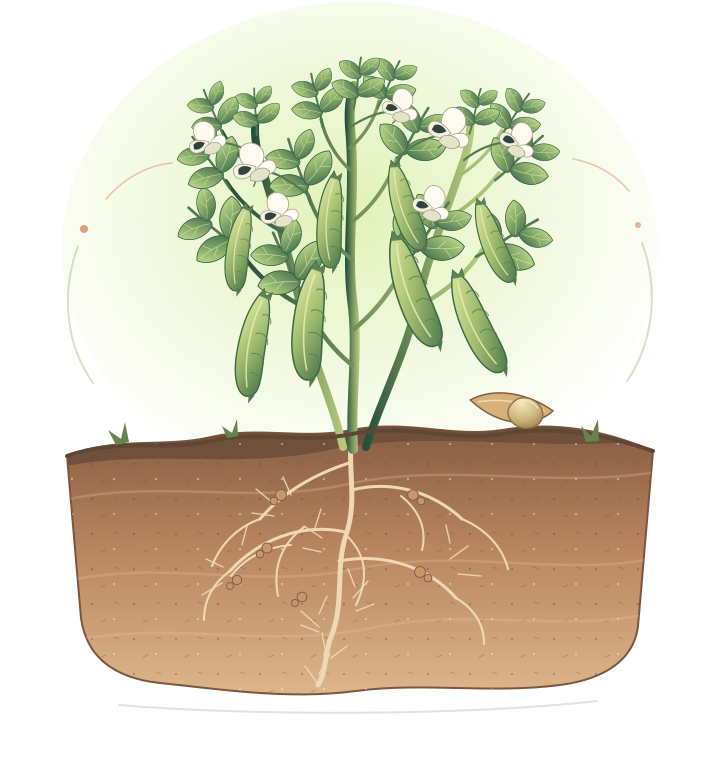
One adaptable species spanning tender snap beans and mature dry types, with a harvest window shaped by how you use the crop.
Time to harvest
50–110 days
Nutrient density
Higheditorial category
8.86 g protein
8.7 g fibre
Approximate values per 100 g mature black common beans (Phaseolus vulgaris), boiled without salt, cooked edible portion (USDA FoodData Central 173735).
At the table: Enjoy with grains across the day and vitamin-C-rich produce such as tomatoes, peppers, or citrus to support non-heme iron absorption.
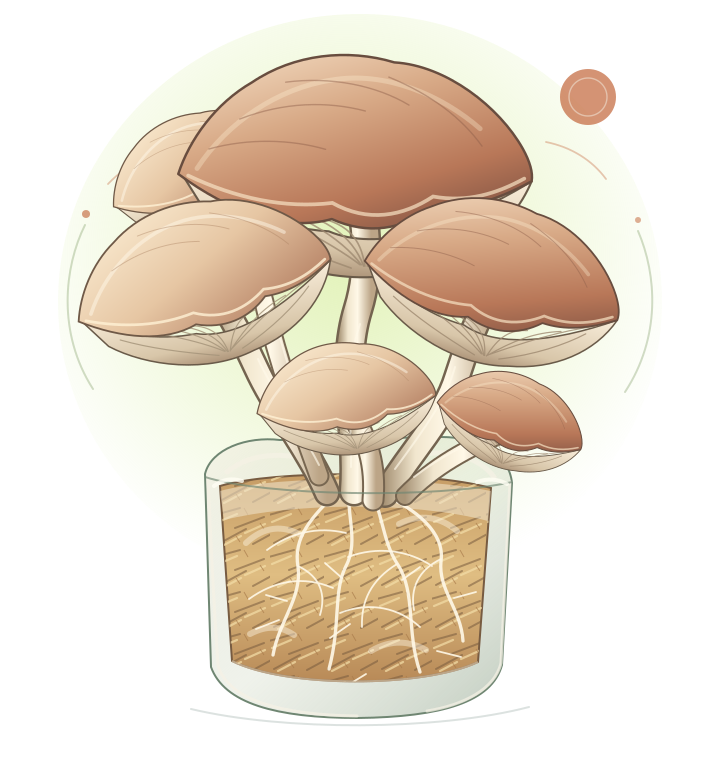
Edible fungi, not plants or vegetables, grown from labelled spawn or kits. Full timelines include colonization; ready-to-fruit kits are already colonized and often produce much sooner.
Time to harvest
30 days–18 months
Nutrient density
Moderateeditorial category
2.17 g protein
2.2 g fibre
Approximate values per 100 g white button mushrooms (Agaricus bisporus), cooked, boiled, drained, without salt (USDA FoodData Central SR Legacy 169252).
At the table: Serve mushrooms and white beans over barley, or cook them into a bean and vegetable stew; mushrooms add flavour and texture, while beans and grains make the meal more substantial.
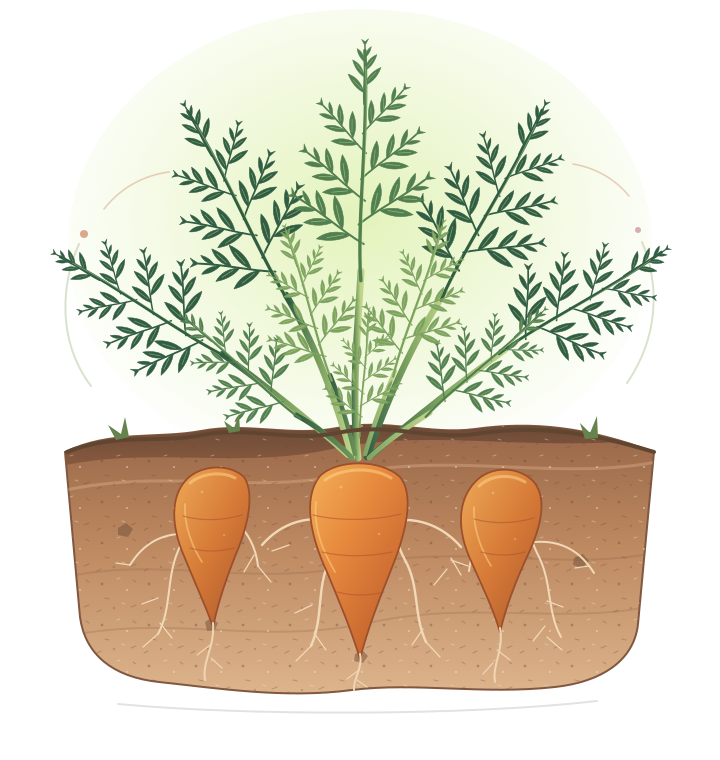
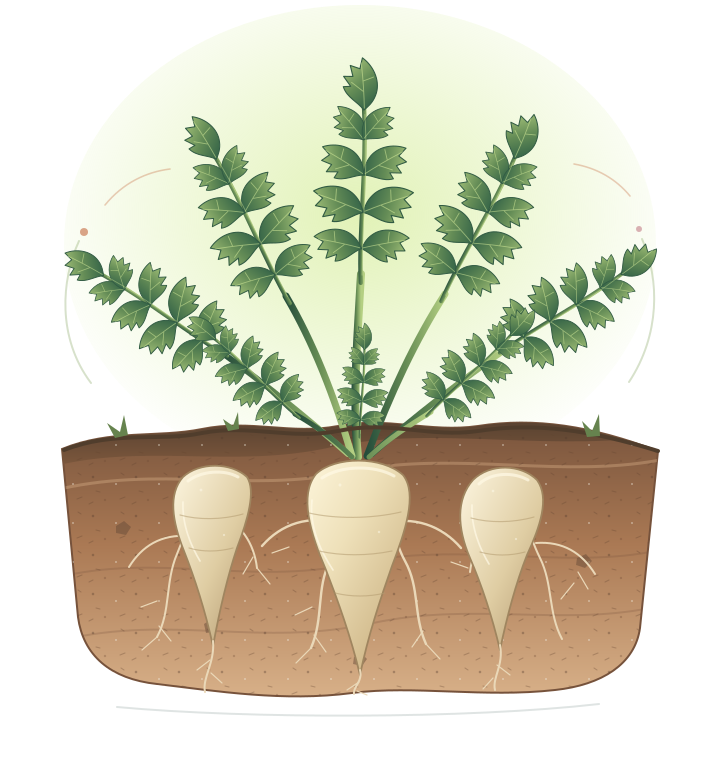
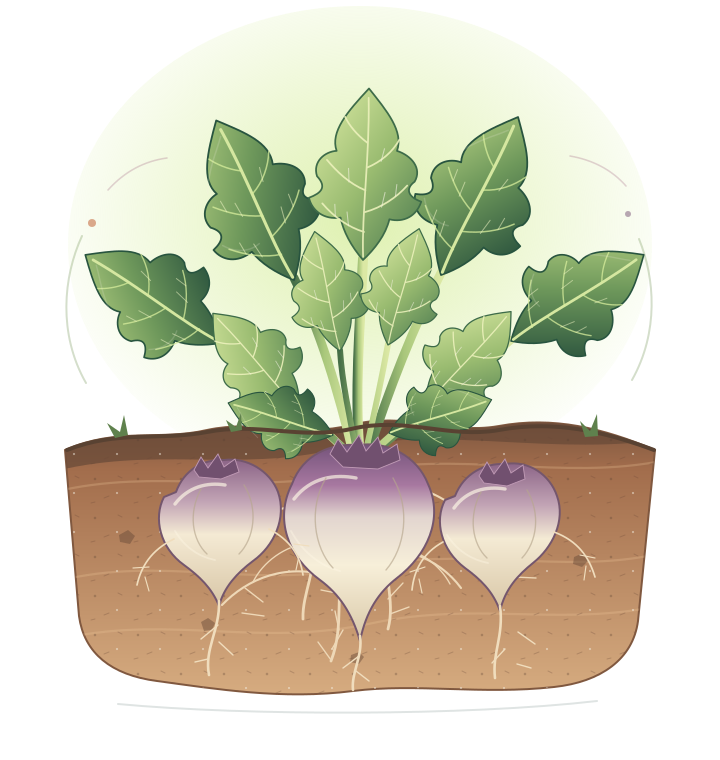
A cool-season root crop harvested young or at mature storage size. Even moisture, loose soil and timely thinning matter more than a fixed calendar; heat, compaction and irregular watering can reduce root quality.
Time to harvest
60–85 days
Nutrient density
Higheditorial category
0.76 g protein
3 g fibre
Approximate values per 100 g carrots, cooked, boiled, drained, without salt (USDA FoodData Central SR Legacy 170394).
At the table: Make carrot and lentil soup, or serve roasted carrots beside chickpeas and grains.
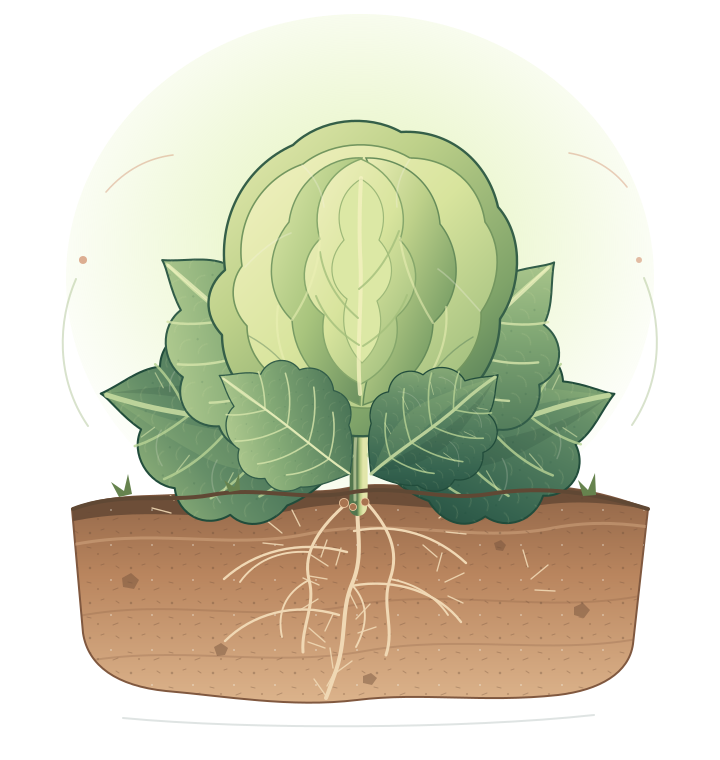
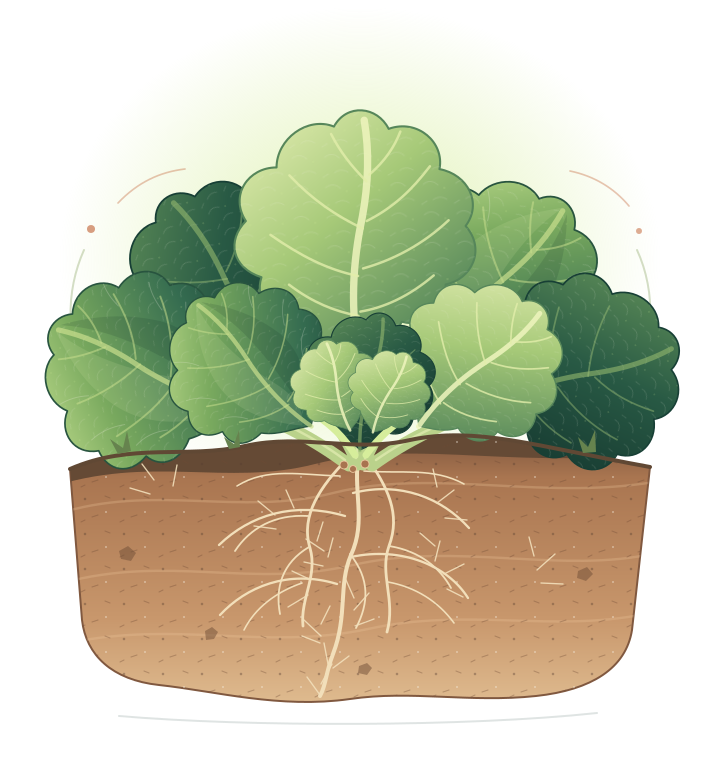
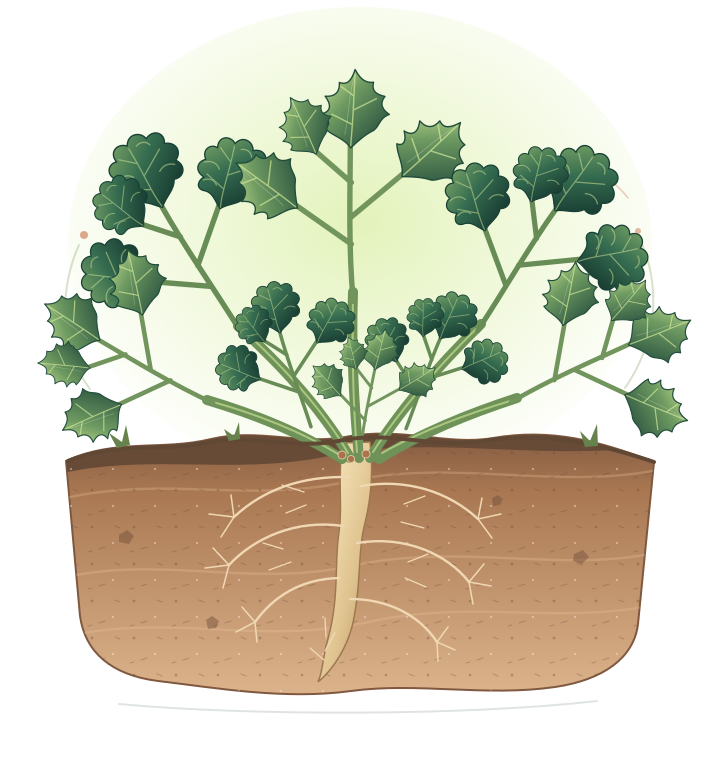
A cool-season headed brassica with early, autumn and storage cultivars. The crop needs steady growth and enough time for heads to firm; heat, drought and local brassica pests can alter the useful window.
Time to harvest
70–120 days
Nutrient density
Higheditorial category
1.27 g protein
1.9 g fibre
Approximate values per 100 g common cabbage, cooked, boiled, drained, without salt (USDA FoodData Central SR Legacy 169976).
At the table: Cook cabbage into a white-bean stew, or make a cabbage, carrot and sweet-pepper sauté to serve with chickpeas.
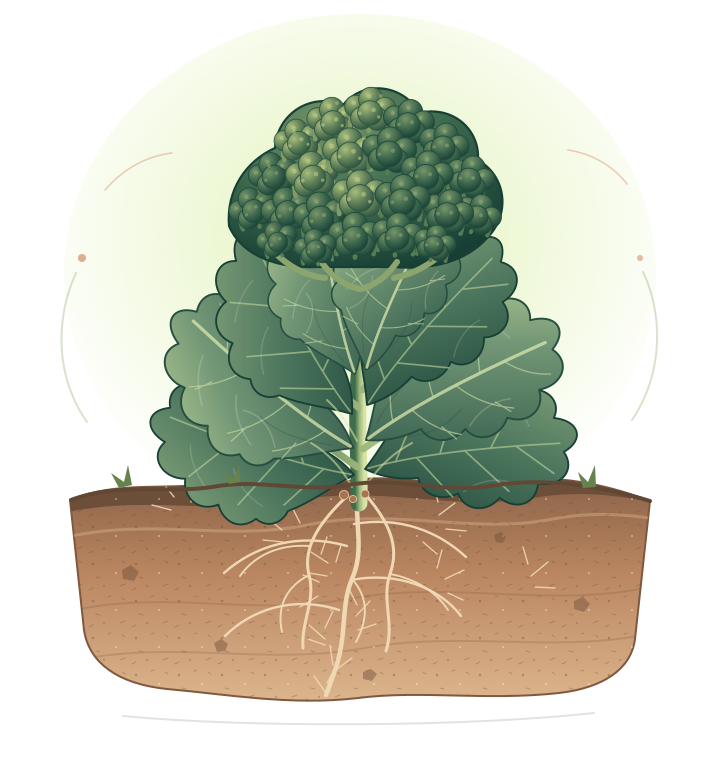
A cool-season brassica grown for its central flower head and, in many cultivars, later side shoots. This entry concerns heading broccoli or calabrese rather than long-season sprouting broccoli; steady moisture and moderate temperatures support tight heads.
Time to harvest
60–100 days
Nutrient density
Very higheditorial category
2.38 g protein
3.3 g fibre
Approximate values per 100 g broccoli, cooked, boiled, drained, without salt (USDA FoodData Central SR Legacy 169967).
At the table: Serve broccoli with chickpeas and rice, or toss broccoli and white beans with whole-grain pasta.
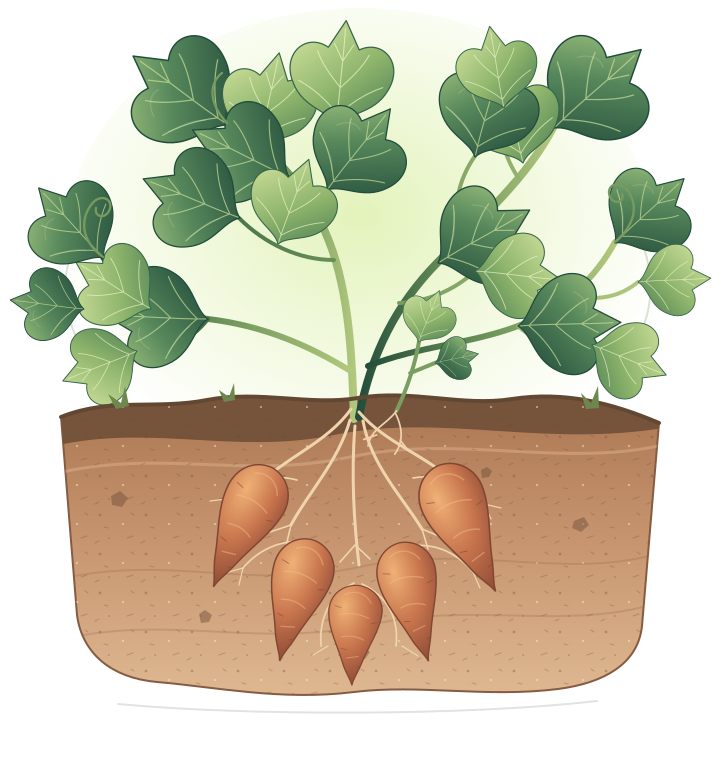
A warm-season storage-root crop grown from rooted shoots called slips. Sweet potato is Ipomoea batatas, not a true yam (Dioscorea species); it needs a long frost-free period, warm soil and enough heat for roots to mature.
Time to harvest
90–150 days
Nutrient density
Higheditorial category
2.01 g protein
3.3 g fibre
Approximate values per 100 g sweet potato, cooked, baked in skin, flesh only, without salt (USDA FoodData Central SR Legacy 168483).
At the table: Serve baked sweet potato with black beans and vegetables, or fill a sweet potato with chickpeas and serve with cabbage or broccoli.
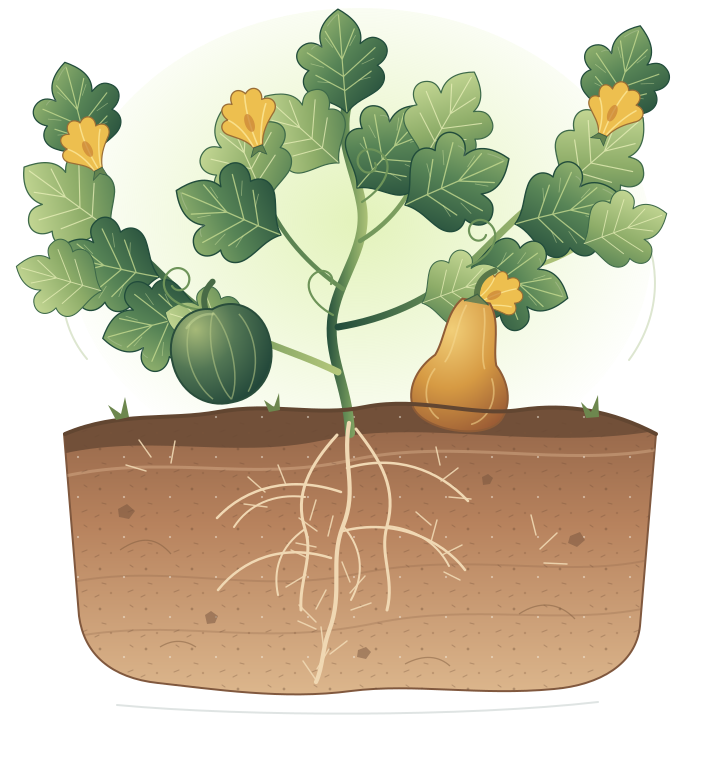
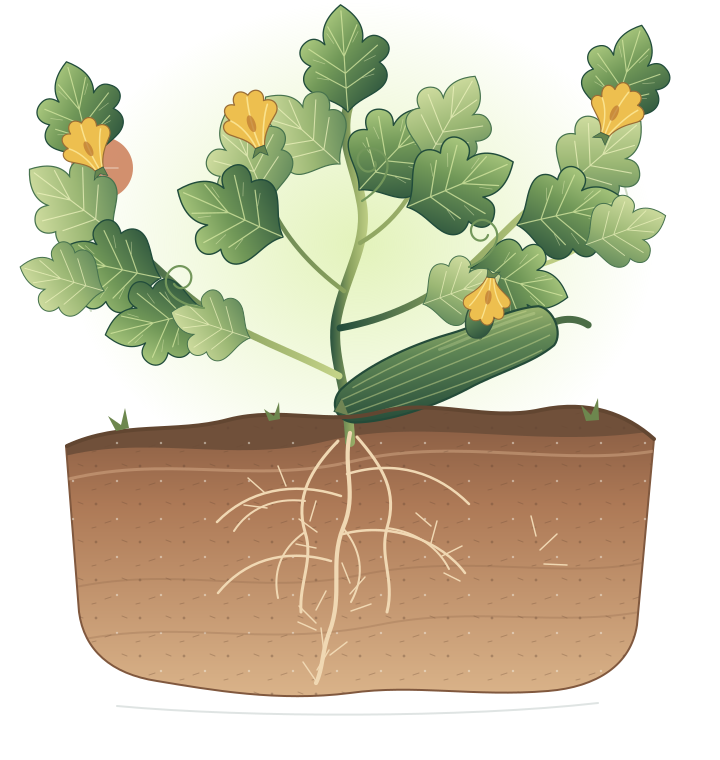
Crop 012 · Cucurbita moschata; other winter squashes include C. pepo and C. maxima
A warm-season vine grown for mature, firm-rinded fruit such as butternut. Unlike summer squash, which is picked immature with tender skin, winter squash is harvested mature and many types can be cured and stored. Frost and a short season can prevent maturity.
Time to harvest
80–120 days
Nutrient density
Higheditorial category
0.9 g protein
3.2 g fibre
Approximate values per 100 g butternut winter squash, cooked, baked, without salt (USDA FoodData Central SR Legacy 169296).
At the table: Make squash and chickpea stew, or serve winter squash with maize and beans.
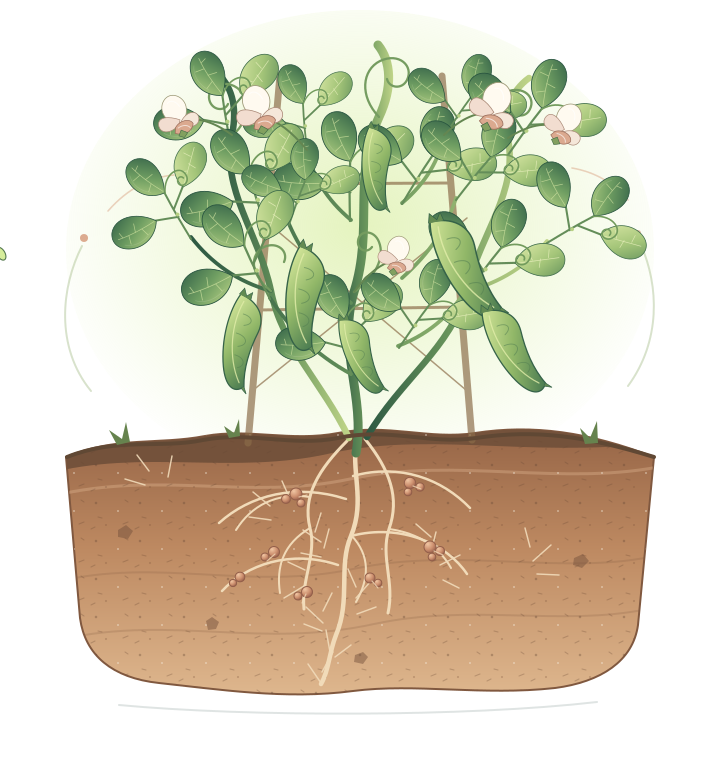
A cool-season legume harvested here as immature green seeds. Garden peas are Pisum sativum, not cowpeas or black-eyed peas (Vigna unguiculata), and this entry’s cooked values do not describe dried split peas or immature edible pods alone.
Time to harvest
55–80 days
Nutrient density
Higheditorial category
5.36 g protein
5.5 g fibre
Approximate values per 100 g green garden peas, cooked, boiled, drained, without salt (USDA FoodData Central SR Legacy 170420).
At the table: Serve peas with rice and tofu, or cook peas with carrots and potatoes.
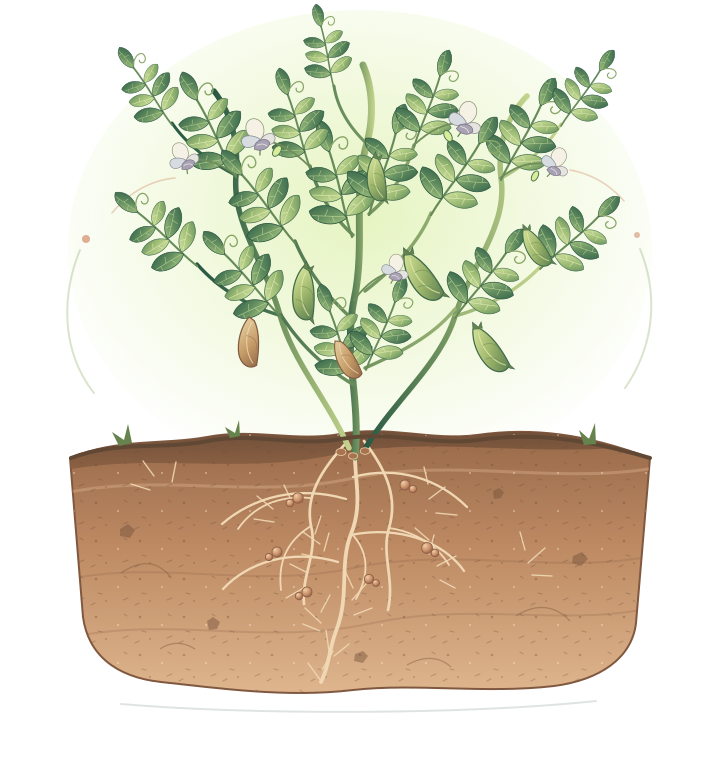
A cool-season annual pulse grown for mature dried seed. Lentils prefer cool growth followed by dry weather for pod maturation and harvest; humid autumn conditions can make a home crop difficult to finish and store safely.
Time to harvest
80–110 days
Nutrient density
Higheditorial category
9.02 g protein
7.9 g fibre
Approximate values per 100 g mature lentils, cooked, boiled, without salt (USDA FoodData Central SR Legacy 172421).
At the table: Serve lentil dal with rice, or cook lentils with tomatoes and sweet peppers.
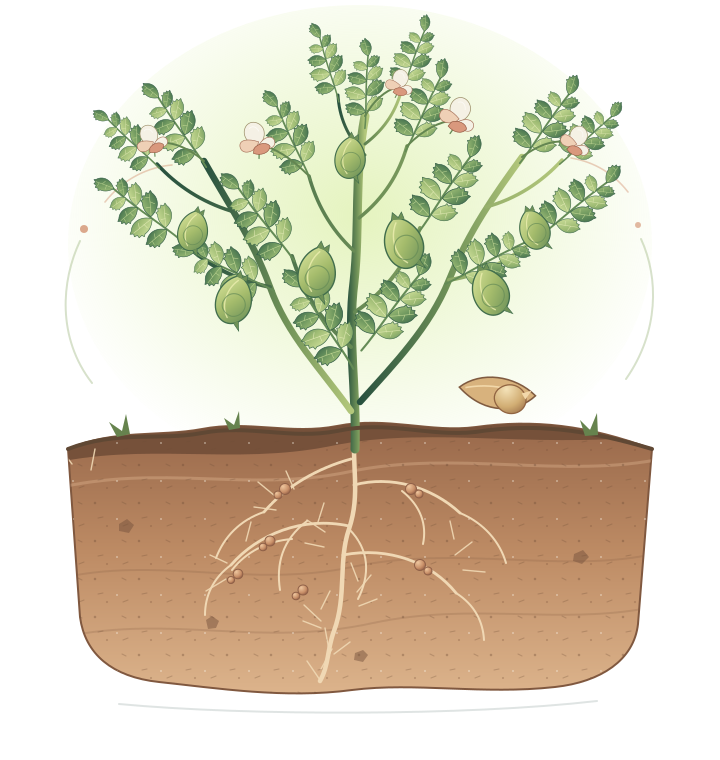
A cool-to-warm-season annual pulse grown for mature dried seed, with desi and kabuli types. Chickpeas need a season that ends dry enough for pods and seed to mature; they are not the same crop as garden peas or common beans.
Time to harvest
90–120 days
Nutrient density
Higheditorial category
8.86 g protein
7.6 g fibre
Approximate values per 100 g mature chickpeas (garbanzo beans, Bengal gram), cooked, boiled, without salt (USDA FoodData Central SR Legacy 173757).
At the table: Serve chickpeas with rice and vegetables, or make chickpea stew with tomatoes and sweet peppers.
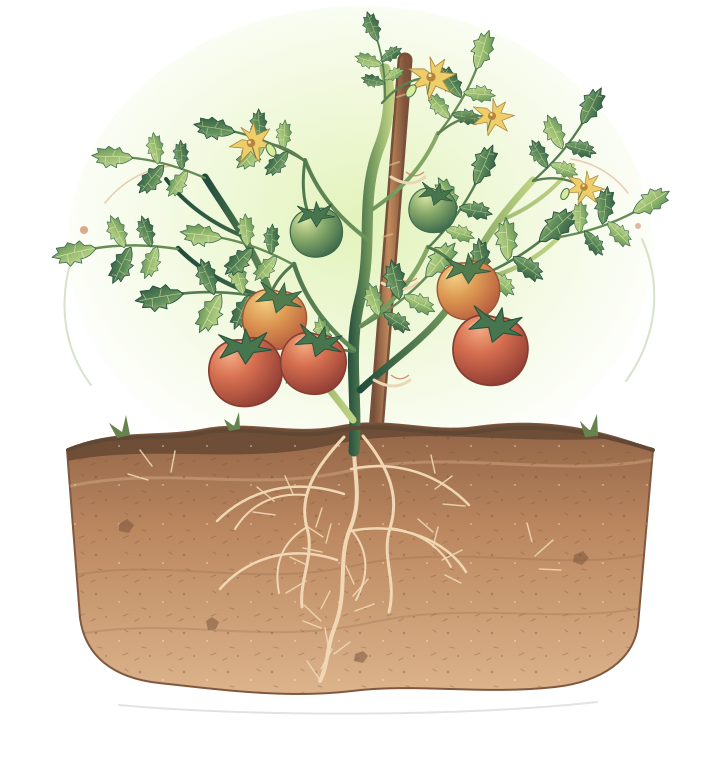
A warm-season fruit crop grown as an annual in temperate gardens. Determinate and indeterminate cultivars have different support and harvest patterns; all need frost-free conditions, sufficient warmth and steady water for reliable fruit set and ripening.
Time to harvest
60–100 days
Nutrient density
Moderateeditorial category
0.95 g protein
0.7 g fibre
Approximate values per 100 g red ripe tomatoes, cooked, with no added ingredients specified in the reference title (USDA FoodData Central SR Legacy 170050).
At the table: Cook tomatoes into lentil dal or chickpea stew, or serve tomato and lentil sauce with pasta.
Crop 017 · Capsicum annuum (bell and other sweet types)
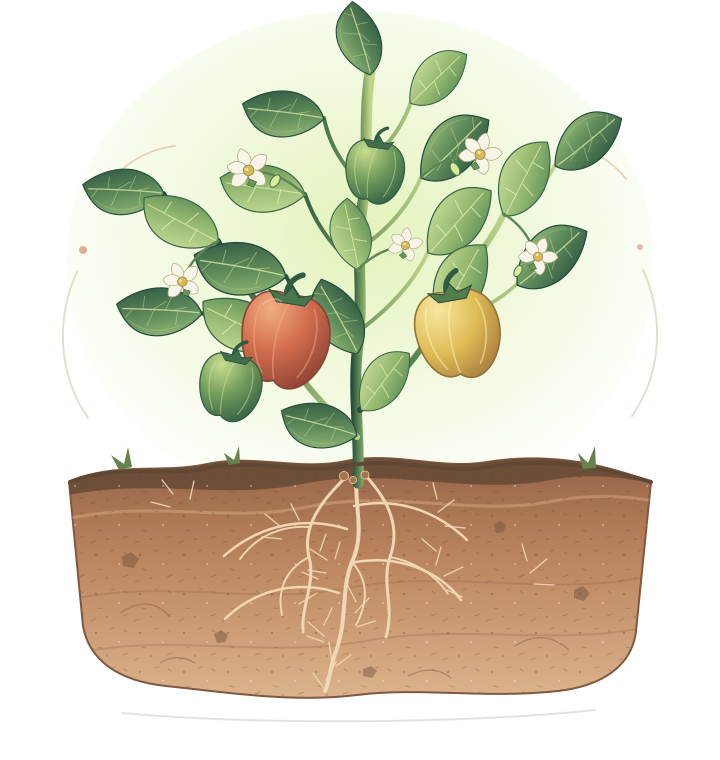
A warm-season fruit crop covering bell and other non-pungent sweet types of Capsicum annuum, not hot chilli types. Fruit can be picked green or left to ripen to its cultivar colour; frost, cold nights and extreme heat can limit fruit set.
Time to harvest
60–100 days
Nutrient density
Higheditorial category
0.92 g protein
1.2 g fibre
Approximate values per 100 g sweet green peppers, cooked, boiled, drained, without salt (USDA FoodData Central SR Legacy 170428).
At the table: Cook sweet peppers with chickpeas and tomatoes, or make a pepper and tofu stir-fry with rice.
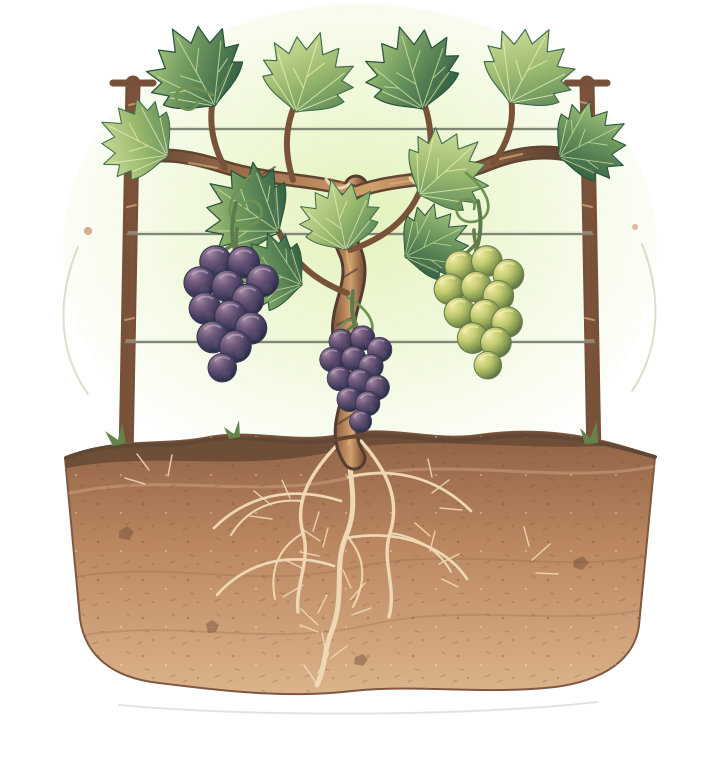
A perennial woody vine grown for fresh table grapes or processing. This entry concerns Vitis vinifera; cultivar, rootstock, winter cold, summer heat and disease pressure determine local establishment. The first meaningful crop normally follows two to three years of vine establishment, not two to three years of annual fruit production.
Time to harvest
2–3 years
Nutrient density
Moderateeditorial category
0.72 g protein
0.9 g fibre
Approximate values per 100 g red or green European-type grapes (Vitis vinifera), raw edible portion (USDA FoodData Central SR Legacy 174683).
At the table: Serve fresh grapes with plain yogurt and walnuts, or with cheese and whole-grain bread. Add a small amount of chopped fresh grape to a lentil and herb salad, or serve grapes beside a bean and vegetable meal. Mix a small portion of raisins into oatmeal with nuts or seeds instead of eating them as an unrestricted snack.
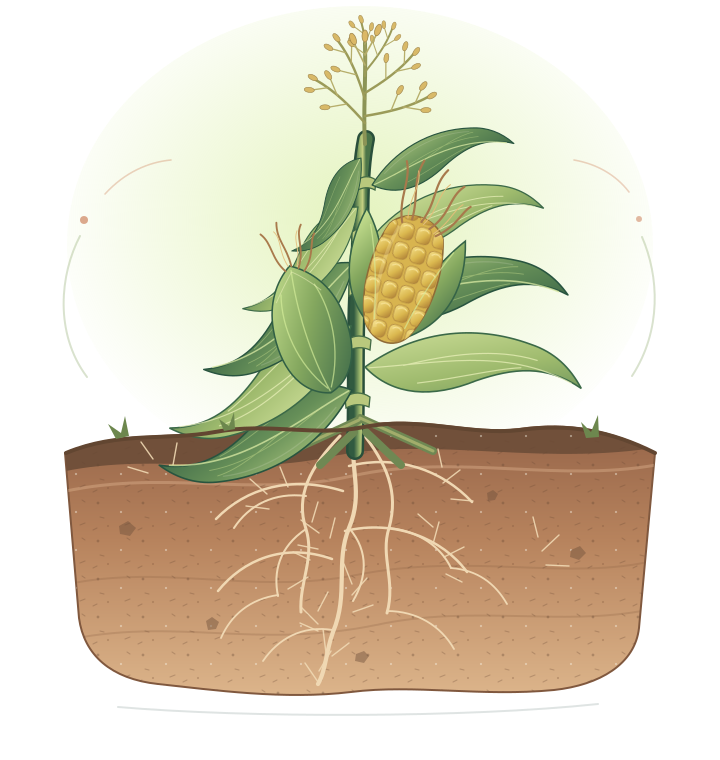
A warm-season annual grass covering sweet corn picked immature for immediate food and field or other dry types harvested mature for milling, storage or feed. Sweet corn is not nutritionally interchangeable with mature dent, flint, flour or popcorn, and dry grain intended for storage needs a longer season and thorough drying.
Time to harvest
70–150 days
Nutrient density
Moderateeditorial category
3.41 g protein
2.4 g fibre
Approximate values per 100 g sweet yellow corn, cooked, boiled, drained, without salt (USDA FoodData Central SR Legacy 169999); this is not a field-corn or mature dry-grain reference.
At the table: Serve sweet corn with black beans and peppers, or use mature food-grade dry corn in tortillas beside beans. Grow corn in blocks with an appropriately timed bean and squash companion planting, then serve the vegetables together. Make a corn, bean and tofu salad, or serve corn with fish and leafy vegetables.
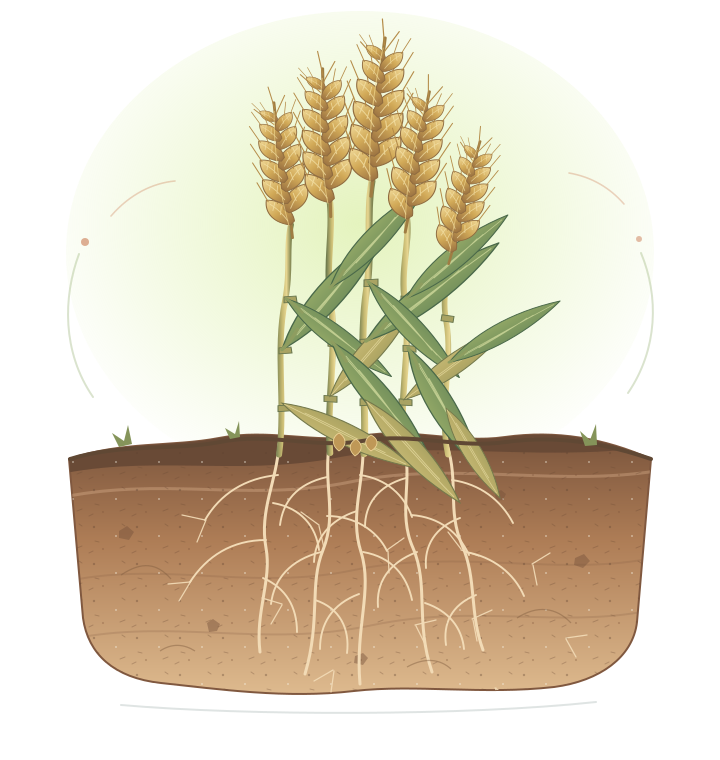
A cool-season cereal grown for mature grain, with spring and winter habits in Triticum aestivum. Spring types are sown for a same-season harvest, while winter types are sown earlier and require cultivar-specific cold exposure before heading. Grain can be cooked whole, milled for food or used in feed rations; every route needs mature, clean and safely dried grain.
Time to harvest
90–300 days
Nutrient density
Higheditorial category
5.71 g protein
4.3 g fibre
Approximate values per 100 g cooked khorasan wheat berries (USDA FoodData Central SR Legacy 169744). Khorasan is Triticum turgidum subsp. turanicum, not T. aestivum; this is the closest USDA cooked whole-wheat-berry reference, not a bread-wheat-specific analysis.
At the table: Serve cooked wheat berries with lentil and vegetable stew, or use whole-grain bread beside chickpea salad. Make a cooked wheat-berry bowl with chickpeas, leafy greens, peppers and a lemon dressing. Serve cooked wheat berries with tofu and vegetables, or with fish and a leafy salad.
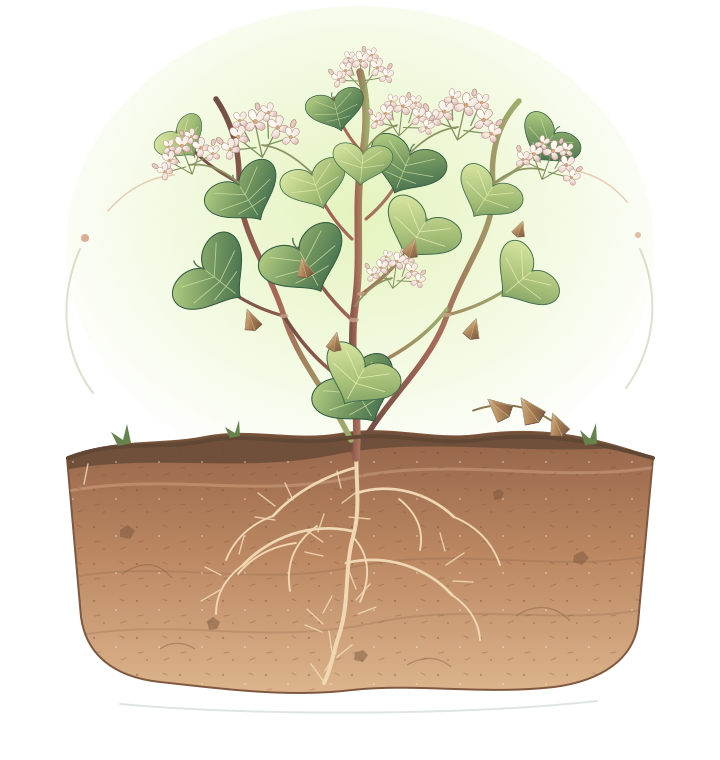
A fast, frost-sensitive broadleaf annual grown for hulled seed that is dehulled into groats. Buckwheat is a pseudocereal, not a wheat or other cereal grass, and is naturally gluten-free. Food grain, cover-crop stands and feed have different endpoints; grain for storage must mature and dry, while a cover crop may be terminated before seed set.
Time to harvest
70–100 days
Nutrient density
Higheditorial category
3.38 g protein
2.7 g fibre
Approximate values per 100 g roasted buckwheat groats, cooked (USDA FoodData Central SR Legacy 170686); this is the cooked edible portion, not raw groats, flour or noodles.
At the table: Serve cooked buckwheat groats with lentil stew, or mix them into a chickpea and vegetable bowl. Make cooked buckwheat with cabbage and carrots, or serve it with peppers and leafy greens. Serve buckwheat with tofu and cultivated mushrooms, or with fish and cooked cabbage.
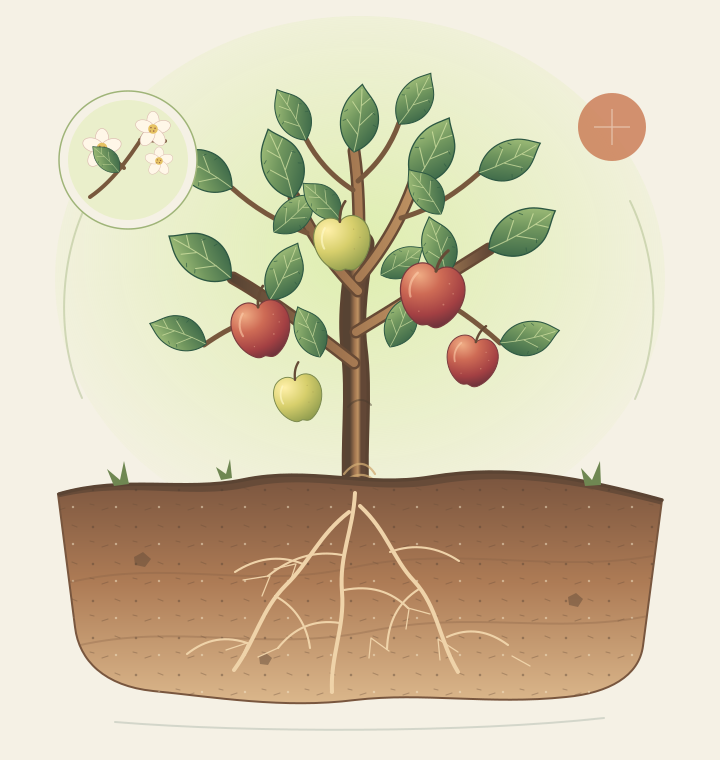
A long-lived deciduous fruit tree usually sold as a cultivar grafted onto a size-controlling rootstock.
Time to harvest
2–4 years
Nutrient density
Moderateeditorial category
0.26 g protein
2.4 g fibre
Approximate values per 100 g raw apples with skin, edible portion (USDA FoodData Central SR Legacy 171688; includes Red Delicious, Golden Delicious, Gala, Granny Smith and Fuji analytical data).
At the table: Slice a fresh apple beside oatmeal with plain yogurt, or serve it with a small handful of walnuts.
A cool-season annual cereal with spring and winter habits, two-row and six-row spikes, and hulled or hulless grain.
Time to harvest
70–300 days
Nutrient density
Moderateeditorial category
2.26 g protein
3.8 g fibre
Approximate values per 100 g pearled barley, cooked, the hydrated edible portion (USDA FoodData Central SR Legacy 170285; NDB 20006); this is not raw dry barley, hulled or hulless whole barley, flour or malt.
At the table: Simmer pearled barley in a lentil and vegetable soup, or serve it beside chickpeas and greens.
A warm-season annual pulse grown for tender green pods, fresh shelled seed or mature dry seed.
Time to harvest
60–100 days
Nutrient density
Higheditorial category
7.73 g protein
6.5 g fibre
Approximate values per 100 g cowpeas, common (blackeyes, crowder, southern), mature seeds, cooked, boiled, without salt (USDA FoodData Central SR Legacy 173759).
At the table: Serve cooked cowpeas with rice and vegetables, or use them in a maize-based meal with leafy greens.
A short-lived annual culinary herb harvested in sequence as feathery leaves, yellow flower umbels and ripe brown seed.
Time to harvest
40–60 days
Nutrient density
Very higheditorial category
3.46 g protein
2.1 g fibre
Approximate values per 100 g fresh, raw dill weed, the edible leafy herb; not cooked dill, dried dill weed or dill seed (USDA FoodData Central SR Legacy 172233, ‘Dill weed, fresh’).
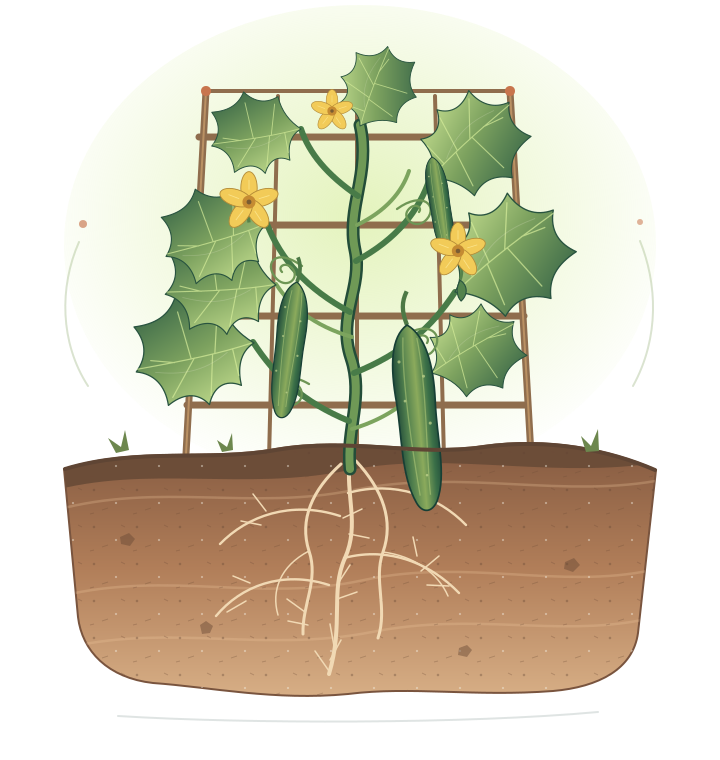
At the table: Fold dill into a cucumber and cabbage salad just before serving.
A deciduous, long-lived shrub or small tree grown for edible nuts.
Time to harvest
3–5 years
Nutrient density
Higheditorial category
14.95 g protein
9.7 g fibre
Approximate values per 100 g raw hazelnuts or filberts, edible kernels (USDA FoodData Central SR Legacy 170581; food attribute Corylus avellana). The same 100 g contains 628 kcal and 60.75 g total fat; these are not roasted, blanched, ground, oil or spread values.
At the table: Chop hazelnuts over oatmeal with apple or pear; use another topping where tree nuts must be avoided.
A cool-season annual cereal grown for mature grain, with spring and winter habits in Avena sativa.
Time to harvest
90–270 days
Nutrient density
Moderateeditorial category
2.54 g protein
1.7 g fibre
Approximate values per 100 g cereals, oats, regular and quick, unenriched, cooked with water (includes boiling and microwaving), without salt (USDA FoodData Central SR Legacy 173905); this is cooked oatmeal, not raw dry oats, groats, flour or a fortified instant product.
At the table: Cook oatmeal with milk or a suitable fortified soy drink, or serve it beside yogurt or tofu according to dietary needs.
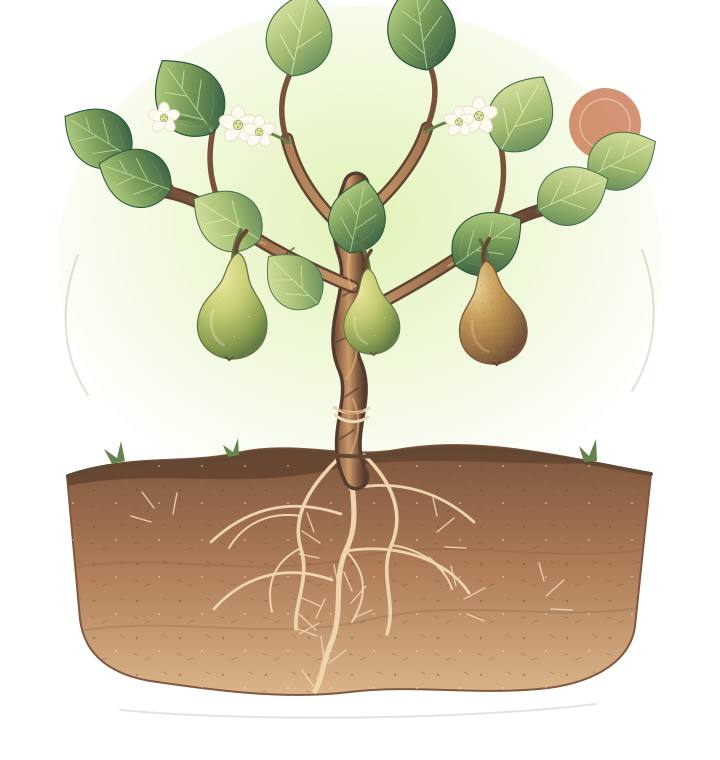
A long-lived deciduous tree grown for dessert and culinary fruit.
Time to harvest
2–4 years
Nutrient density
Moderateeditorial category
0.36 g protein
3.1 g fibre
Approximate values per 100 g raw pears, edible portion (USDA FoodData Central SR Legacy 169118); this is not an Asian-pear, juice, canned or cooked reference.
At the table: Serve sliced ripe pear with plain yogurt and walnuts, or with cheese and whole-grain bread.
A fast annual salad crop with peppery leaves, edible flowers and a short useful life before flowering.
Time to harvest
30–50 days
Nutrient density
Higheditorial category
2.58 g protein
1.6 g fibre
Approximate values per 100 g arugula, raw, edible leaves (USDA FoodData Central SR Legacy 169387; the record names Eruca sativa, a synonym used for cultivated Eruca vesicaria).
At the table: Toss rocket through white-bean salad and serve with whole-grain bread, or add it to lentil soup just before serving.
A cool-season annual cereal grown as winter or spring forms for mature grain, with especially winter-hardy autumn-sown types.
Time to harvest
100–300 days
Nutrient density
Higheditorial category
10.34 g protein
15.1 g fibre
Approximate values per 100 g raw rye grain (USDA FoodData Central SR Legacy 16885); this is the raw, dry whole-grain edible portion, not cooked rye berries, rye flour, bread or a cooked-weight comparison.
At the table: Serve cooked rye berries with lentil and vegetable stew, or pair rye bread with chickpea salad.
Common sage is a short-lived, semi-woody Mediterranean perennial grown for aromatic leaves.
Time to harvest
75 days–1 year
Nutrient density
Higheditorial category
10.6 g protein
40.3 g fibre
Approximate values per 100 g spices, sage, ground, dried and uncooked as sold (USDA FoodData Central SR Legacy 170935); this is not a fresh-leaf or cooked-food entry.
At the table: Use a little chopped sage with white beans, onion and leafy greens.
A long-lived deciduous tree grown for edible kernels.
Time to harvest
4–7 years
Nutrient density
Higheditorial category
15.23 g protein
6.7 g fibre
Approximate values per 100 g English walnuts (Juglans regia), raw edible kernels (USDA FoodData Central SR Legacy 170187).
At the table: Sprinkle chopped walnuts over oats with fruit and yogurt or a suitable fortified alternative, accounting for other nuts and seeds in the recipe.
A varied plate, not a perfect equation
Put nutrients in context
Nutrient density can help you compare these crops, but no single category captures a whole diet. Variety, overall amounts, preparation, and individual needs all matter.
Legumes and grains have different, complementary essential-amino-acid patterns. They do not need to be eaten in the same meal: eating a variety of protein sources across the day is enough. Adding vegetables or fruit rich in vitamin C can support absorption of non-heme iron from plant foods.
Beans, rice, and tomato–pepper salsa
A flexible combination of legume, grain, and produce; tomatoes and peppers contribute vitamin C.
Bean tacos, corn tortillas, cabbage, and lime
Use common beans such as pinto or black beans, with crisp vegetables and a squeeze of citrus.
White beans, barley, and lemony greens
A hearty legume-and-grain combination with leafy produce and lemon for brightness and vitamin C.
Beyond the crop grid
Beekeeping for the homestead
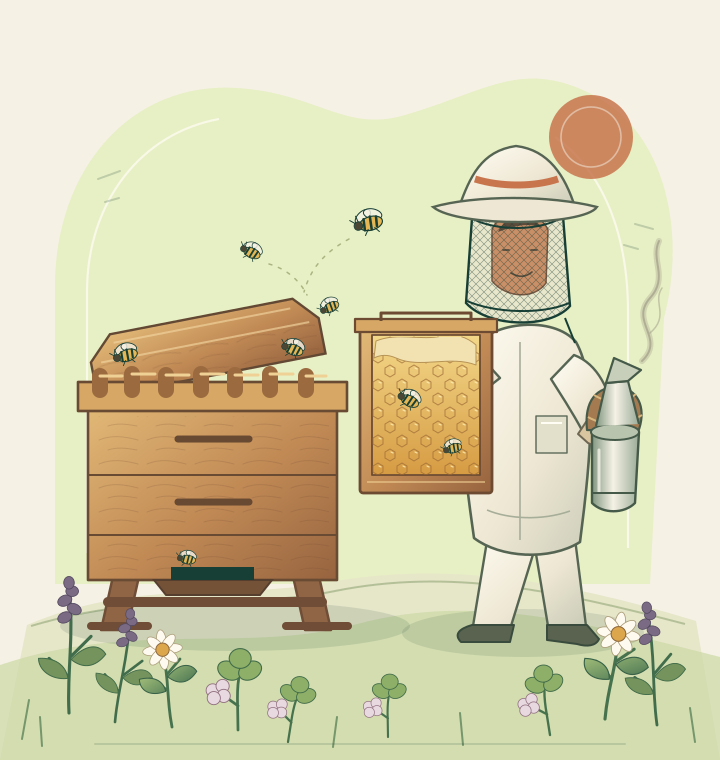
Managed honey bees need informed, year-round care. This separate guide connects colony welfare, the surrounding forage, and a responsible harvest.
Care for the colony before taking honey
Learn managed honey-bee care through practical training, lawful and considerate siting, seasonal inspections, and suitable protective equipment. Plan for diverse nectar and pollen forage, clean water, and the needs of wild pollinators as well as managed colonies.
Follow local guidance to monitor bee health and respond to pests or disease. When a genuine surplus exists, use clean, food-safe honey-harvest practices and leave the colony adequate stores for the season.