
Cool, temperate and often maritime, with relatively mild winters in many lowlands and wet harvest weather in some districts.
Northwestern Europe
Winter rye fits cool lowlands and tolerates poorer, lighter soils better than many cereals, though waterlogging and excess nitrogen still cause problems. Spring rye is an option where autumn establishment is missed.
- Indicative planting
- Sow locally adapted winter rye around September–October, early enough to establish before cold; sow a true spring cultivar around February–April when soil is workable. Do not substitute a winter cultivar without confirming vernalization.
- Indicative harvest
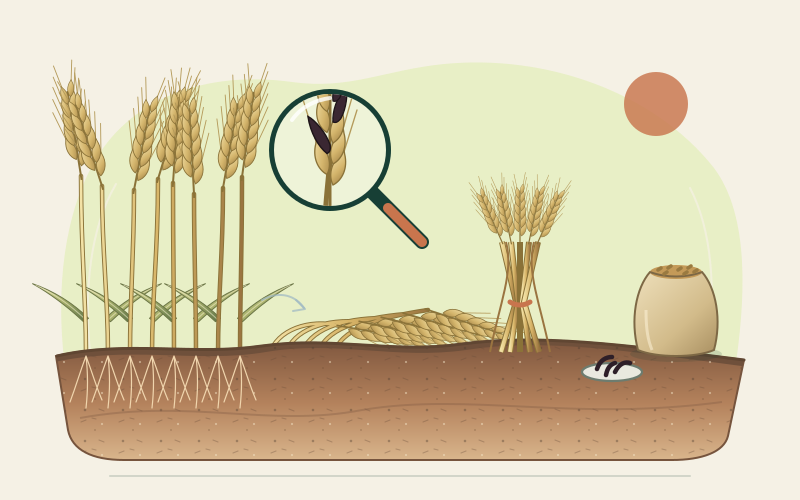
- Harvest winter rye around July–August and spring rye around August–September when kernels are hard and mature. Reject ergot-affected lots; otherwise dry, thresh and clean sound grain promptly before storage.
- Soil and moisture
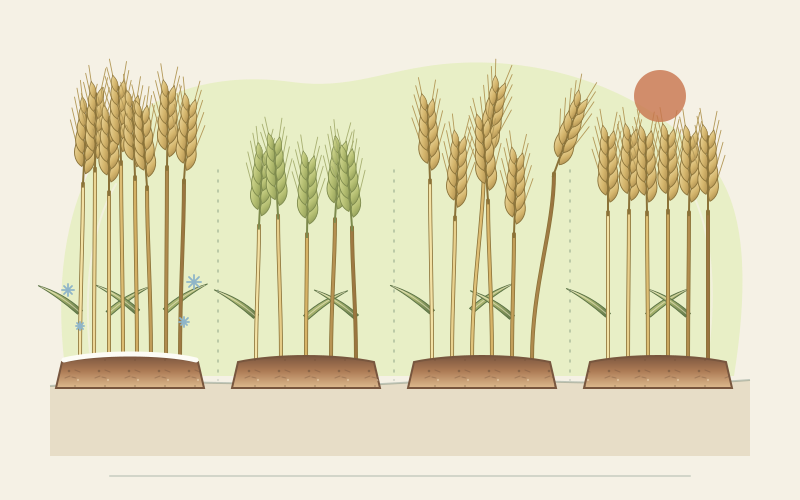
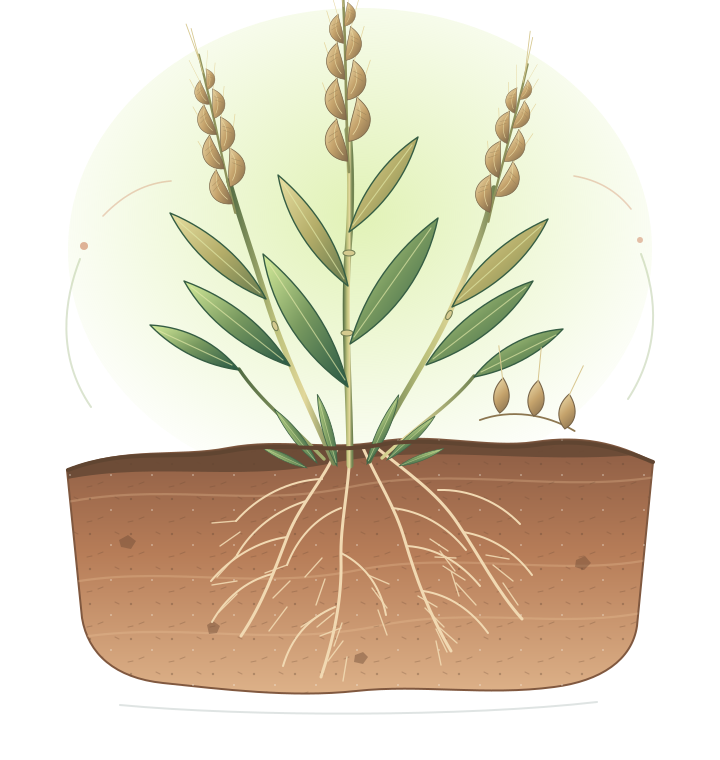
- Well-drained light to medium soil with good seed-to-soil contact and measured fertility. Avoid saturated hollows, overly dense stands and heavy nitrogen that encourage tall, lodged growth.
Field note: Winter hardiness does not confer flood tolerance. Inspect every head-bearing area for ergot during flowering and again before harvest, and never assume maritime rain will dry stored grain.