
Crop 050 / Petroselinum crispum

Sow patiently, then pick a little often.

Grow parsley as a leafy annual even though its natural cycle is biennial. Keep the seedbed moist through slow germination, choose curly or flat leaves for your kitchen, and cut outer stems so the centre keeps producing.

From sowing to a useful bunch
70–90 days Germination can take 2–5 weeks; weather and seed freshness shift the window.
Leaf forms
Curly or flat Both are parsley; flavour and plant habit vary by selection and growing conditions.
Harvest habit
Cut and come again Take outer stems near the base and leave the central crown intact.
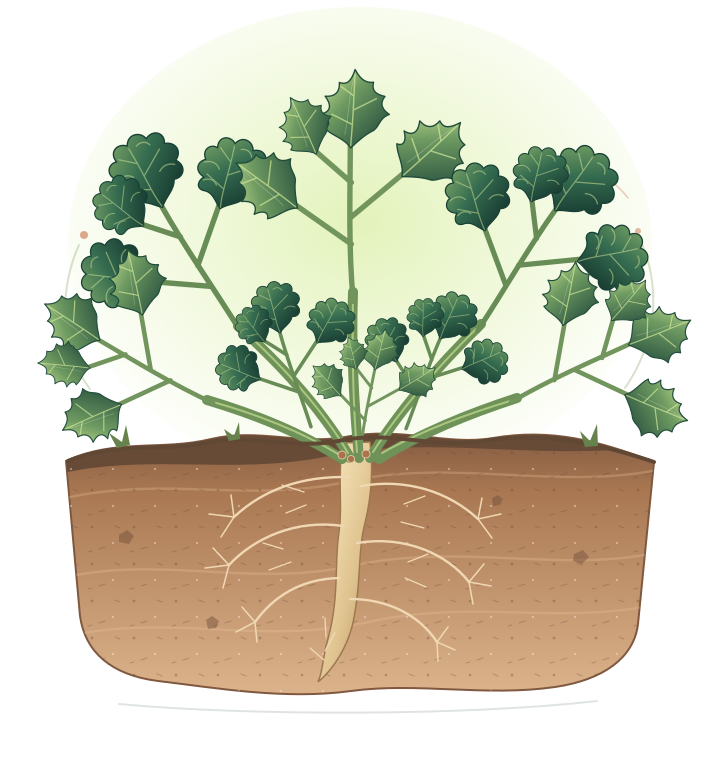
Parsley with divided flat and curled green leaflets, slender stems, a branching crown and a tapering root with fine side roots.
Parsley is a biennial member of the carrot family. For leafy harvests, it is normally sown and replaced as an annual.

Know the crop

Crop profile

Petroselinum crispum includes the familiar curly and flat-leaf culinary forms. Root parsley is a distinct root-producing form with a different harvest purpose and timing.

Crop essentials

Growth
70–90 days From sowing to the first substantial leaf harvest, including slow germination. Seed can take 2–5 weeks or occasionally longer to emerge; transplants shorten the time spent outdoors but not the time since sowing. Take only light early pickings from established plants, and expect weather, seed freshness and care to shift the window.
Botanical name
Petroselinum crispum
Family
Apiaceae
Origin
Central and eastern Mediterranean region
Habit
A biennial herb usually grown as an annual for repeated leaf harvests

Nutrition / fresh raw

Nutrition, in context

Very high Editorial rank 4 of 4. This is Rooted’s qualitative category for protein, fibre, folate, iron and potassium density in this crop comparison, with highlights adding context. It is not an official nutrient score, a health rating or a measure of absorption.

Approximate nutrients per 100 g fresh raw parsley
Nutrient Amount
Protein2.97 g
Fibre3.3 g
Folate152 µg
Iron6.2 mg
Potassium554 mg

Basis: Approximate values per 100 g fresh raw parsley (USDA FoodData Central SR Legacy 170416).

The same 100 g reference contains vitamin K (1640 µg) and vitamin C (133 mg). Those amounts describe a large quantity of parsley, not the pinch or tablespoon used as a garnish.

People taking warfarin or another vitamin-K antagonist should keep vitamin K intake consistent with clinical advice rather than suddenly adding or avoiding parsley. Fresh raw values are not dried or cooked values; parsley does not detoxify the body.

At the table

Use parsley as part of a varied meal

  • Lentils or beans with grains. Legumes and grains give a parsley dish substance and varied nutrients. Stir chopped leaves into lentil soup near serving and add whole-grain bread; no exact combination or ratio is required.
  • Tomatoes, peppers or citrus. Vitamin-C-rich foods can support absorption of non-heme iron from parsley and other plant foods in the same meal. Try parsley with tomatoes and beans, or lemon in a grain and herb salad.
  • Eggs, fish, yogurt or tofu. These add protein and different nutrients alongside parsley. Choose what fits your dietary pattern, whether a tofu sauté, an omelette or a yogurt-based herb sauce.

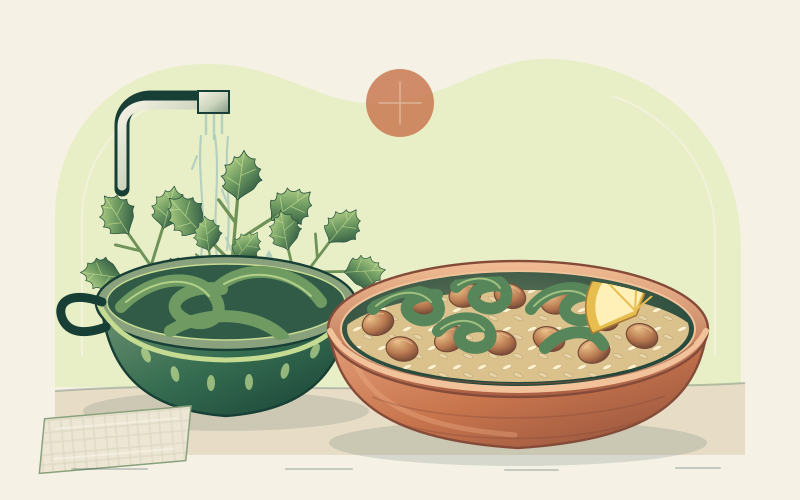
Wash hands and rinse parsley under plain running water; do not use soap or produce wash. Dry with a clean cloth or paper towel, refrigerate perishable cut herbs promptly, and treat these meal ideas as flexible options rather than prescriptions.

The essentials

From slow seedlings to repeated bunches

Six practical stages. Adapt sowing, spacing and protection to your weather, soil and preferred leaf form.

  1. Use fresh seed and allow time

    Parsley often takes 2–5 weeks, and sometimes longer, to germinate. Buy fresh seed, mark the row or pot, and do not discard a seemingly empty sowing too soon. Soaking seed in warm water for up to 24 hours may help, but it does not replace careful sowing and moisture.

  2. Sow shallowly or start in modules

    Direct sow about 0.5–1 cm deep in a fine, moist seedbed, following the packet. For an earlier start, sow in modules about 6–8 weeks before planting out. Move plants before they become root-bound, disturb the taproot as little as possible and harden off indoor-grown seedlings.

  3. Keep moisture steady, then thin

    Never let the shallow seed zone dry during germination, but avoid a saturated, crusted bed. Water gently so seed stays in place. Once seedlings are large enough to handle, thin gradually to roughly 15–30 cm depending on the cultivar and intended plant size.

  4. Give established plants room

    Use fertile, moisture-retentive but free-draining soil in full sun or light partial shade. Water deeply when conditions require it, especially in containers, without leaving roots waterlogged. Mulch after establishment to limit evaporation, weeds and soil splash, and feed containers only as needed.

  5. Protect leaves without overreacting

    Inspect young plants for slugs, snails and aphids, and encourage beneficial insects. Fine mesh can exclude carrot fly where it is a local problem, but correct placement and crop rotation matter. Avoid prolonged leaf wetness and identify spots or tunnels before choosing treatment; follow local crop-label directions for any control.

  6. Cut outer stems, not just leaf tips

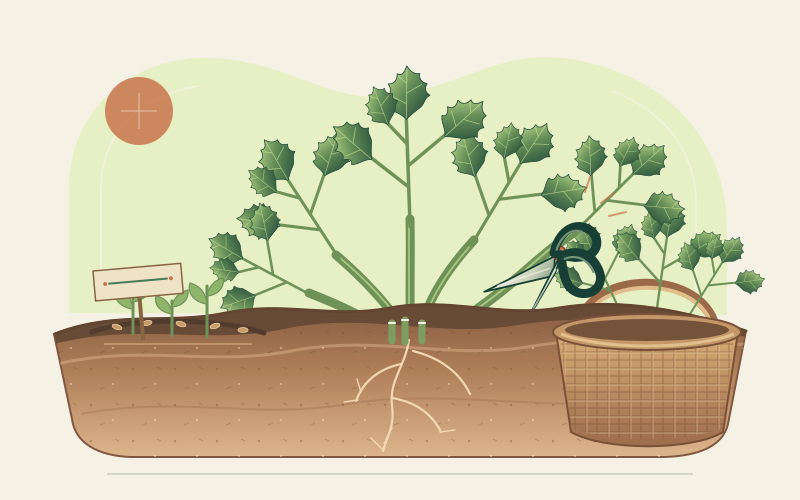
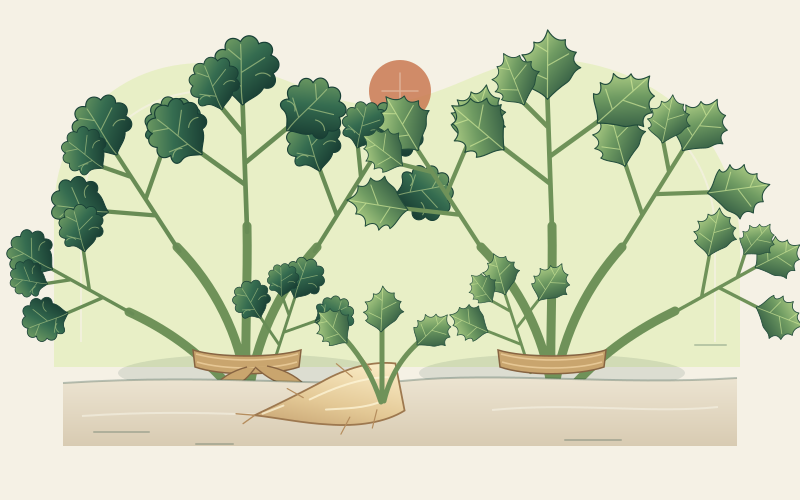
    Begin substantial harvest about 70–90 days after sowing once the plant is well established. Take a few older outer stems at a time, snipping each near the base and leaving the central crown. Regular light cuts encourage new leaves; stripping every stem or leaving leafless stalk stubs reduces productivity.

Growing notes by place

Read your region, then read your weather

Compare broad growing conditions, then adjust for your own frost dates, altitude, rainfall and soil.

Cool, temperate and often maritime, with local differences in frost, exposure, rainfall and summer warmth.

Northwestern Europe

Parsley suits many gardens in Britain, Ireland, the Low Countries and nearby districts. Slow spring emergence and winter survival vary between mild coastal sites and colder inland or upland gardens.

Indicative planting
Start in modules from February–April for an early crop, or direct sow from April–August once conditions are milder. Keep the seedbed moist for the full emergence period and make small repeat sowings.
Indicative harvest
Begin substantial picking about 70–90 days after sowing, commonly from early summer onward. Take outer stems through autumn; cloches, a cold frame or a bright indoor pot can extend leaves in mild areas.
Soil and moisture
Fertile, moisture-retentive but free-draining soil, in sun or light partial shade; avoid both drought at germination and winter waterlogging.

Field note: Mark slow-to-emerge rows, protect seedlings from slugs and snip outer stems near the base while preserving the central crown.
Dates are indicative. Local frost forecasts, soil conditions and recent weather—not the calendar alone—should guide sowing, protection and harvest.

Cool-temperate Northern Hemisphere · example

A patient start, then a steady picking season

A compact planning guide, not a fixed schedule. Shift it with latitude, altitude, cultivar and local conditions.

  1. February–April

    Start fresh seed in modules for an early crop, keeping the growing medium moist and giving seedlings bright light. Prepare a fertile, free-draining bed.

  2. April–August

    Direct sow shallowly or plant out hardened seedlings. Mark slow rows, thin gradually and make small repeat sowings where the season allows.

  3. June–November

    Water during dry spells, watch for slugs and aphids, and begin cutting outer stems once plants are established. Keep the central crown and younger leaves.

  4. Autumn onward

    Use cloches, a cold frame or a bright indoor pot for later leaves where practical. Replace flowering or coarse second-year plants, keeping only a few for seed if desired.

The 70–90-day window runs from sowing, not transplanting, and includes slow germination. Repeated light harvests extend well beyond the first picking; hard frost, heat and drought can interrupt production.

From the field journal

Grow, choose and prepare your parsley

Practical reading for slow germination, a well-suited leaf form and safe, flavourful everyday use.

Your next harvest begins here

Give the seed time, then keep the crown.

A few plants in a bed or deep pot can supply repeated bunches. Keep the sowing moist, let seedlings establish and take a few whole outer stems rather than stripping the plant.

Open the growing guide