Ayurveda · Unani Serious cautions
Ajwain
Trachyspermum ammi
Traditionally used for acute bloating and gas; indigestion with heaviness.
- chewing
- Used for
- 1 condition
- Body systems
- Digestive
Rooted plant medicine · Edition 01
156 plants used as traditional supplements, drawn from five healing traditions — what each is used for, how it is prepared, the substances that do the work, and the cautions that come first.
Many of these grow in an ordinary garden or sit in the kitchen already: ginger, thyme, sage, chamomile, garlic. Each entry names the old use, points to the research where it exists, and says plainly when a plant is not for you.
Read this first
Plants that act on the body can harm it too. These cautions come up again and again in the library; each plant page lists its own.
The plant library
Filter by tradition, or search for a symptom, a plant name in another language, or a compound — sleep, haldi, curcumin. Every entry lists its uses, conditions, preparations, active substances, pairings and cautions.
Showing all 156 plants.
Ayurveda · Unani Serious cautions
Trachyspermum ammi
Traditionally used for acute bloating and gas; indigestion with heaviness.

Ayurveda · European · Unani Serious cautions
Aloe barbadensis
Traditionally used for occasional constipation.
European · TCM
Panax quinquefolius
Traditionally used for fatigue with heat signs; those who find Asian ginseng too stimulating; dry conditions.

Ayurveda
Phyllanthus emblica
One of the three fruits in Triphala.
Ayurveda · TCM Serious cautions
Andrographis paniculata
Traditionally used for influenza-like illness; fever with infection; sore throat.

Ayurveda Serious cautions
Terminalia arjuna
Bark used as the premier cardiac tonic in Ayurveda.
European Serious cautions
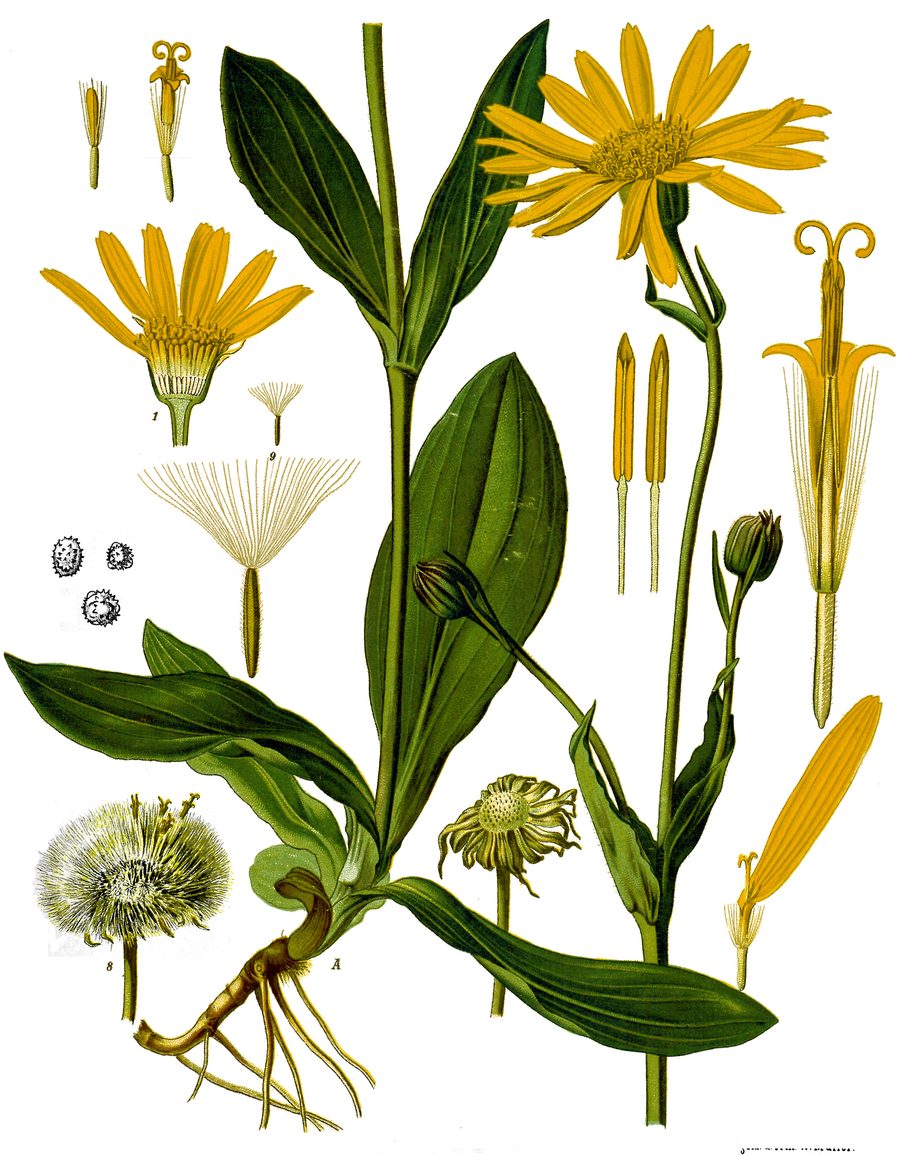
Arnica montana
Traditionally used for muscle soreness and strain; bruises and contusions; sprains and joint trauma.

Ayurveda · Unani Serious cautions
Ferula assa-foetida
Traditionally used for bloating and flatulence, especially from legumes; intestinal cramping and colic; “nervous” digestion with gas.
Ayurveda Serious cautions
Withania somnifera
Traditionally used for chronic anxiety with exhaustion; anxiety related to chronic stress; anxiety with sleep disturbance.

TCM
Astragalus membranaceus
Traditionally used for convalescence after illness; frequent infections.
Ayurveda Serious cautions
Bacopa monnieri
Traditionally used for memory enhancement; learning and retention; attention and concentration.

European Serious cautions
Vaccinium myrtillus
Traditionally used for mild to moderate diarrhea.
European Serious cautions
Actaea racemosa, syn. Cimicifuga racemosa
Traditionally used for hot flashes and night sweats; mood disturbances of menopause; sleep disturbance related to hot flashes.
European Serious cautions
Viburnum prunifolium
Traditionally used for menstrual cramps; threatened miscarriage (traditional; afterpains following childbirth.

Ayurveda · Prophetic · Unani Serious cautions
Nigella sativa
Seeds used for immune support, digestive health, respiratory conditions, and inflammation.
European
Used black tea bags are a common folk remedy for styes.
European Serious cautions
Juglans nigra
Traditionally used for intestinal worms.
European
Rubus fruticosus
Traditionally used for simple acute diarrhea; children’s diarrhea; a gentle astringent tonic for chronic loose stools.
European
Traditionally used for iron-deficiency anemia; nutritional support generally; leg cramps.

European Serious cautions
Cnicus benedictus
Traditionally used for milk supply support.
European Serious cautions
Eupatorium perfoliatum
Traditionally used for fever with intense body aches; influenza and severe colds; “break-bone fever” sensation.

Ayurveda · Unani Serious cautions
Boswellia serrata
Traditionally used for osteoarthritis; rheumatoid arthritis; inflammatory bowel conditions.
Ayurveda · TCM
Traditionally used for breathlessness from anxiety; chronic respiratory conditions; general respiratory health.

European · TCM Serious cautions
Arctium lappa
Root used for skin conditions, liver support, and as a gentle detoxifying agent.

European Serious cautions
Ruscus aculeatus
Traditionally used for chronic venous insufficiency; varicose veins and spider veins; hemorrhoids.

European Serious cautions
Petasites hybridus
Traditionally used for migraine prevention.
European
Traditionally used for bruises and contusions; swelling and inflammation; mastitis.
Ayurveda · European · Unani Serious cautions
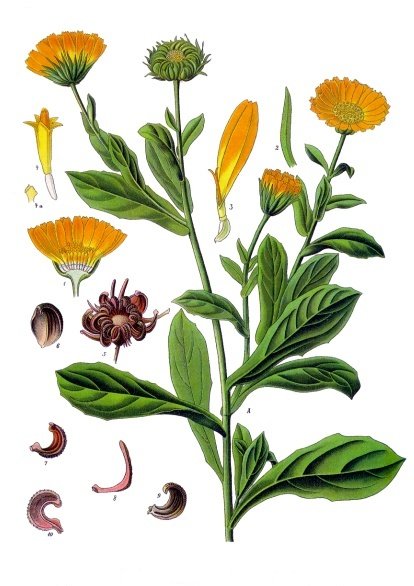
Calendula officinalis
Traditionally used for wounds in healing phase; minor cuts and abrasions; surgical wounds and episiotomy healing.

European Serious cautions
Eschscholzia californica
Traditionally used for insomnia with pain component; children’s sleep difficulties; anxiety-related insomnia.
European · Unani
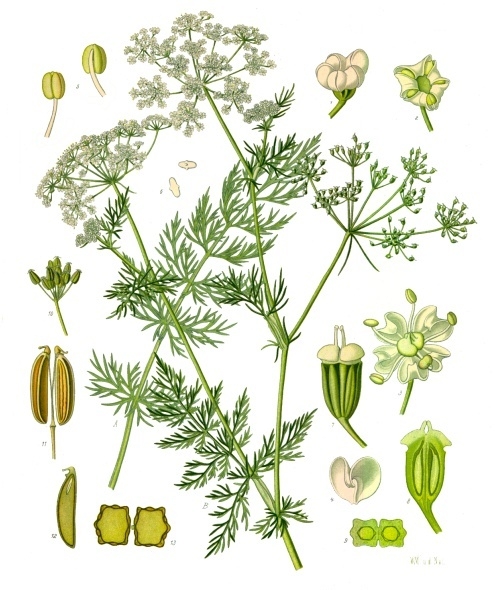
Carum carvi
Traditionally used for intestinal gas and bloating; infantile colic.
Ayurveda · Unani
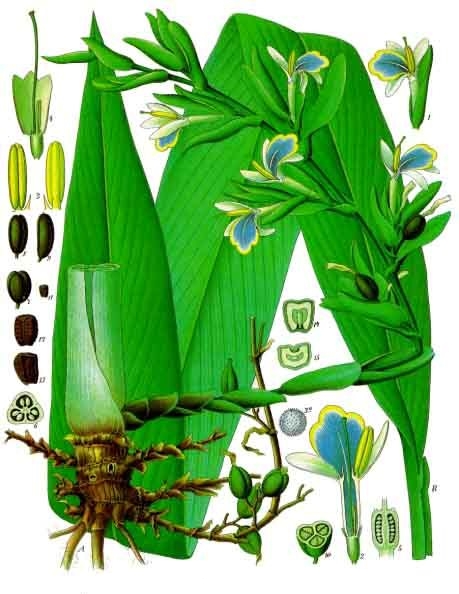
Elettaria cardamomum
Traditionally used for nausea with cold sensations in stomach; morning sickness; nausea after heavy meals.
Ayurveda · European · Unani Serious cautions
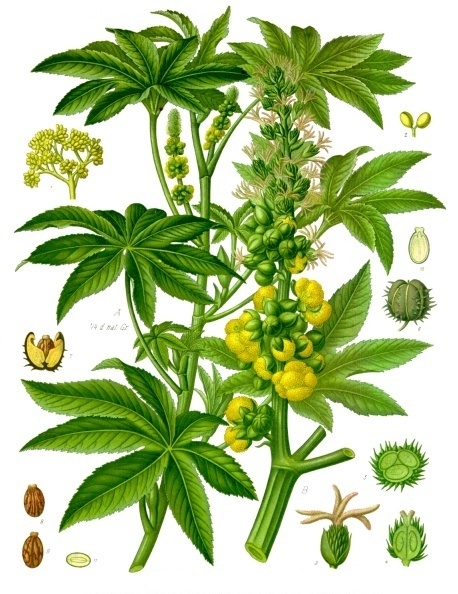
Ricinus communis
Traditionally used for acute, stubborn constipation; pre-procedure bowel cleansing.
Plant Serious cautions
Uncaria tomentosa
Traditionally used for inflammatory arthritis; inflammatory digestive conditions; an immune modulator.

Ayurveda
Capsicum
For cold extremities; For circulatory insufficiency
Ayurveda Serious cautions
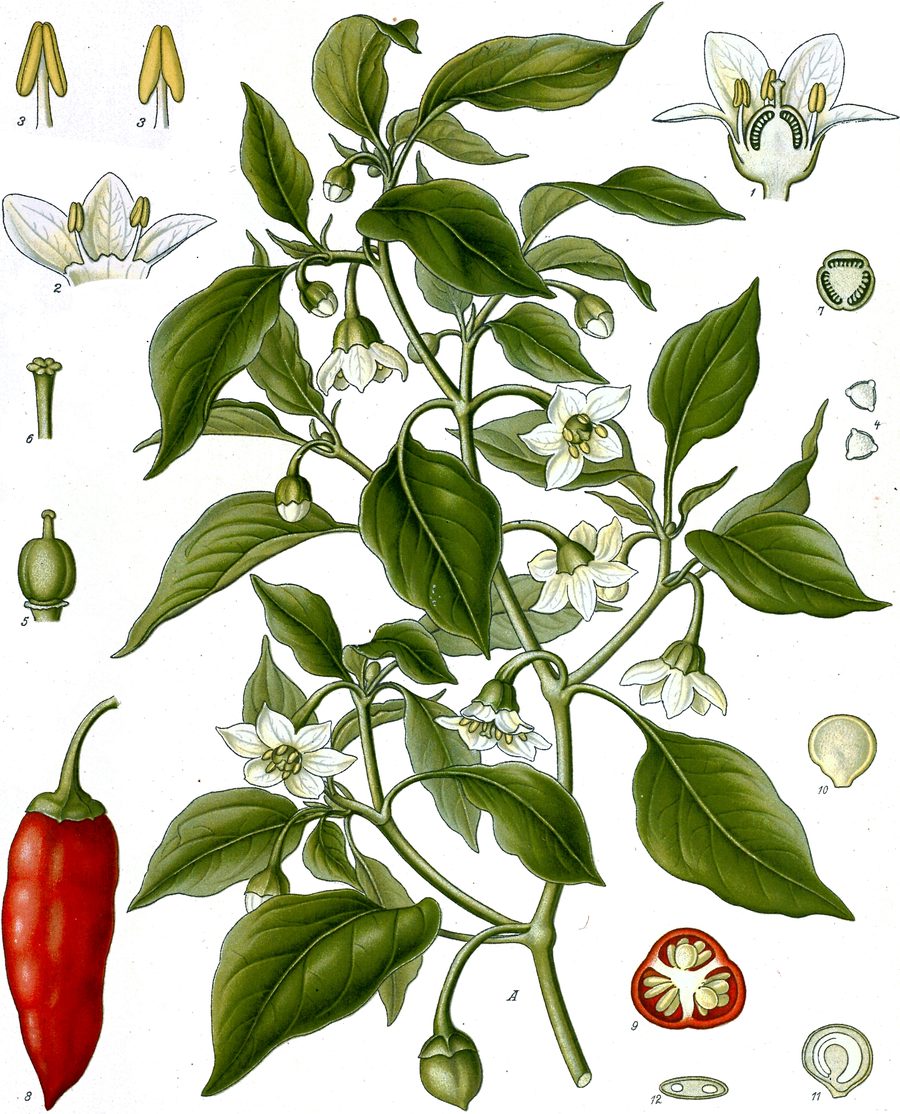
Capsicum annuum, C. frutescens
Traditionally used for muscle pain; arthritis pain; neuropathic pain.
European · Unani
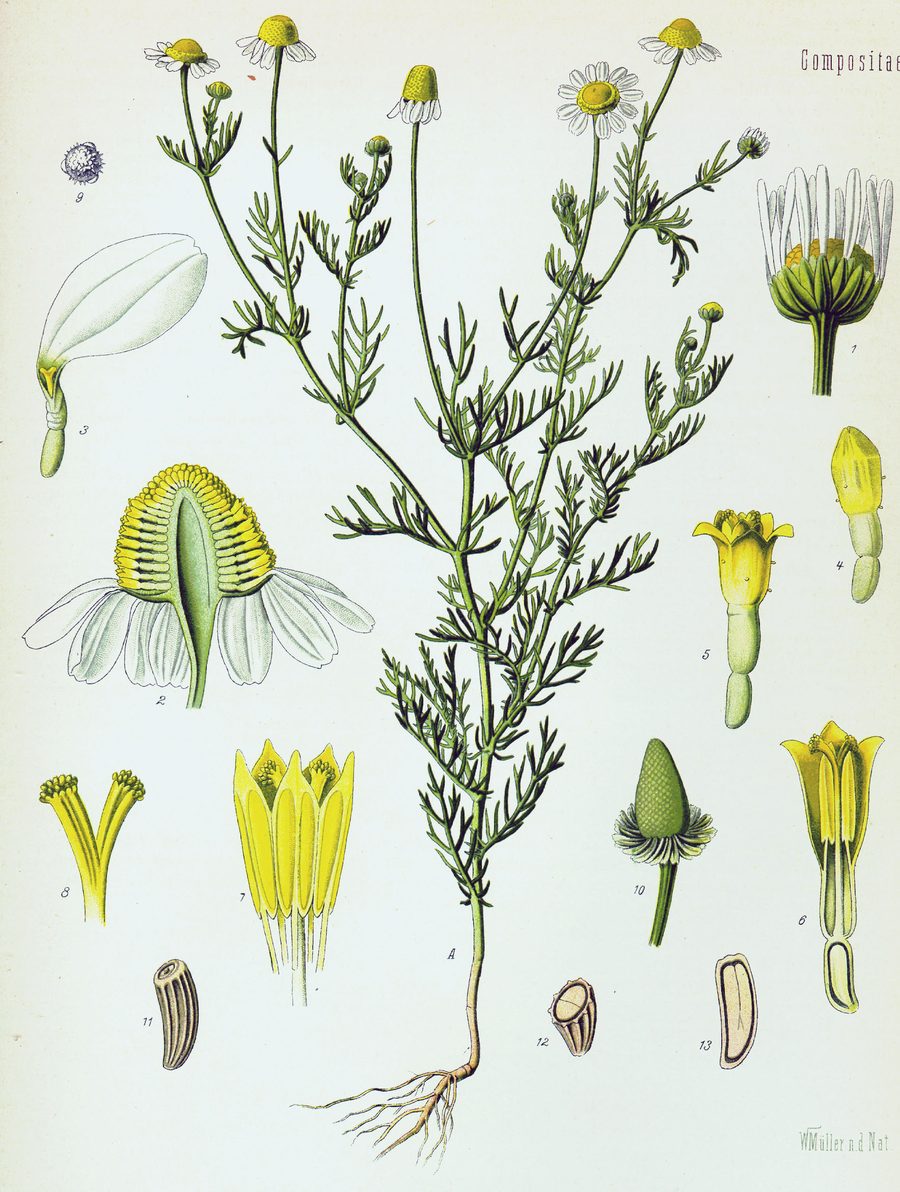
Matricaria chamomilla, Chamaemelum nobile
Traditionally used for eczema and dermatitis; irritated, inflamed skin; diaper rash.
Ayurveda · European Serious cautions
Phyllanthus niruri
Traditionally used for kidney stone prevention; urinary gravel.
European Serious cautions
Vitex agnus-castus
Traditionally used for irregular cycles; PMS; luteal phase defect.
European
Stellaria media
Traditionally used for itchy skin conditions; eczema; insect bites.

European · Unani
Cichorium intybus
Traditionally used for poor appetite and weak digestion; liver support and bile flow; a coffee alternative with digestive benefits.
Ayurveda · Unani Serious cautions
Swertia chirata
Traditionally used for intermittent and chronic fevers; a bitter tonic during convalescence; liver support.
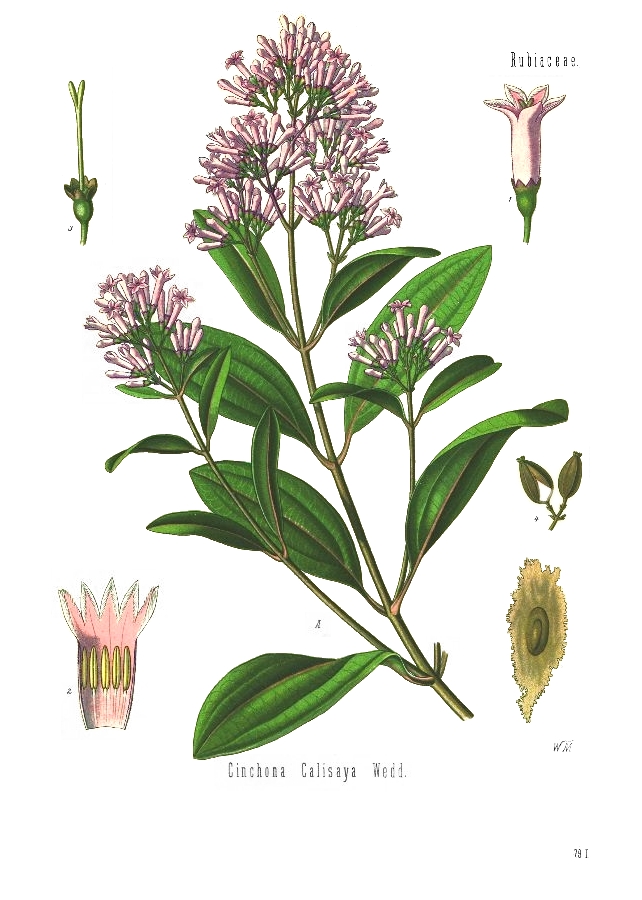
European Serious cautions
Cinchona
Traditionally used for intermittent fevers with the chills-fever-sweat cycle.
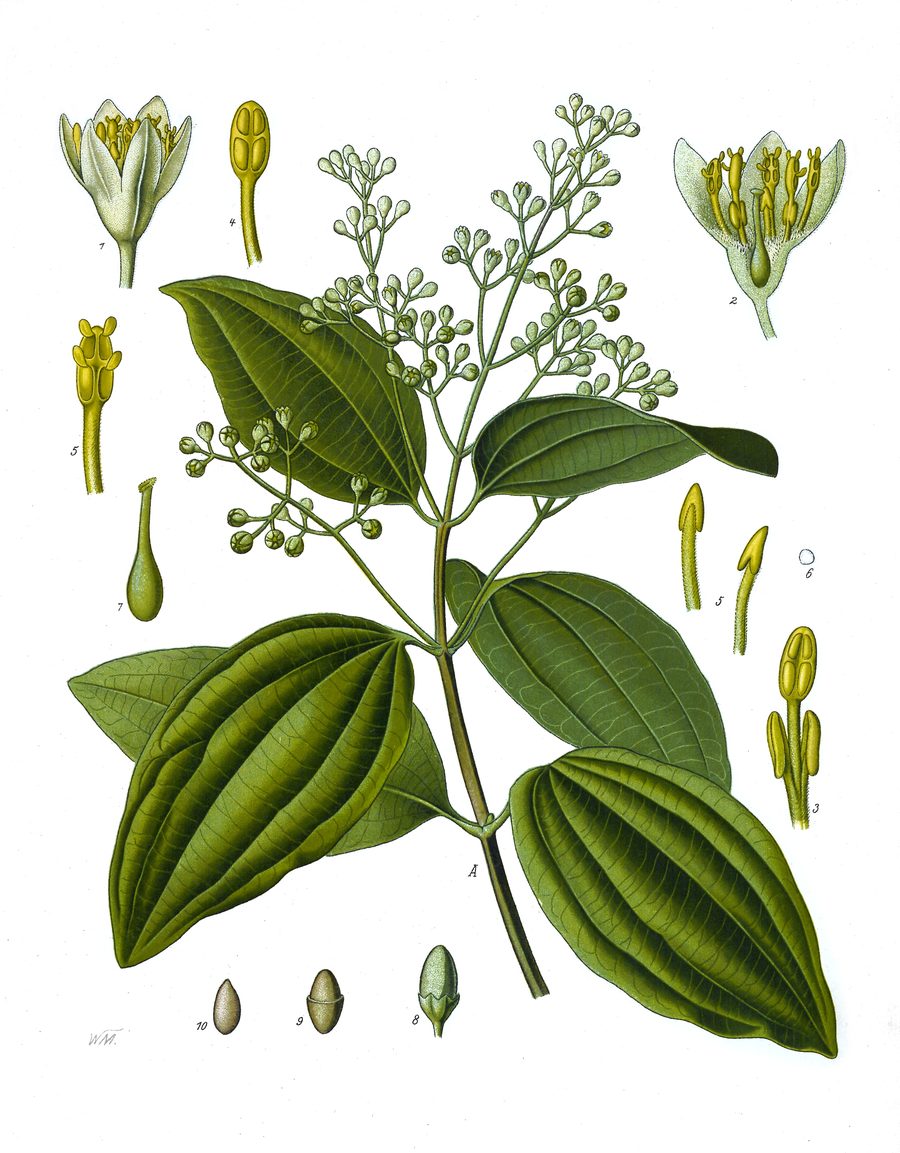
Ayurveda · European · TCM · Unani Serious cautions
Cinnamomum verum / C. cassia
Traditionally used for heavy menstrual bleeding; menstrual cramps.
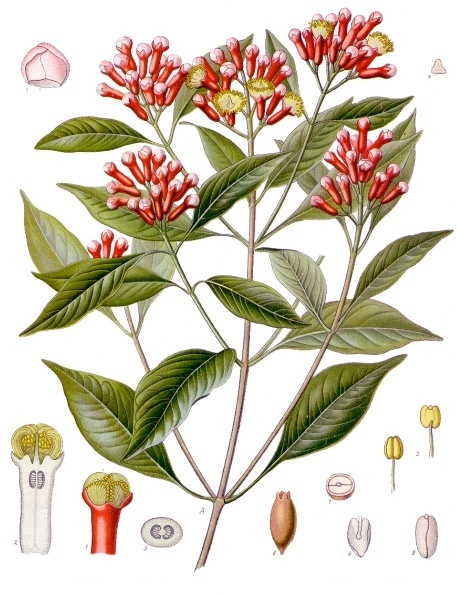
Ayurveda · European · TCM · Unani Serious cautions
Syzygium aromaticum
Traditionally used for nausea with cold stomach; vomiting that is watery or clear.

Plant
Erythroxylum coca
Coca tea (mate de coca).
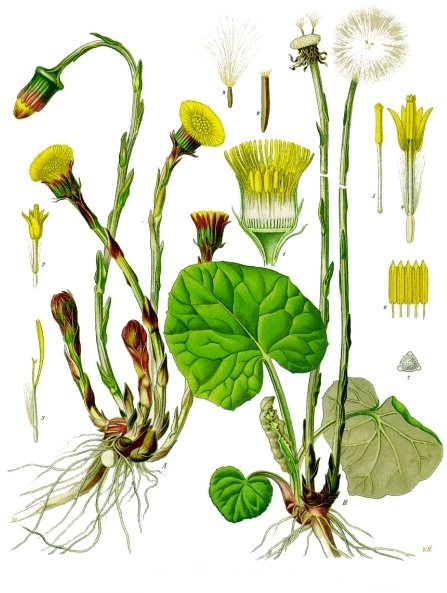
European · TCM · Unani Serious cautions
Tussilago farfara
Traditionally used for chronic cough and bronchitis; bronchial irritation; chest congestion with thick mucus.
European Serious cautions
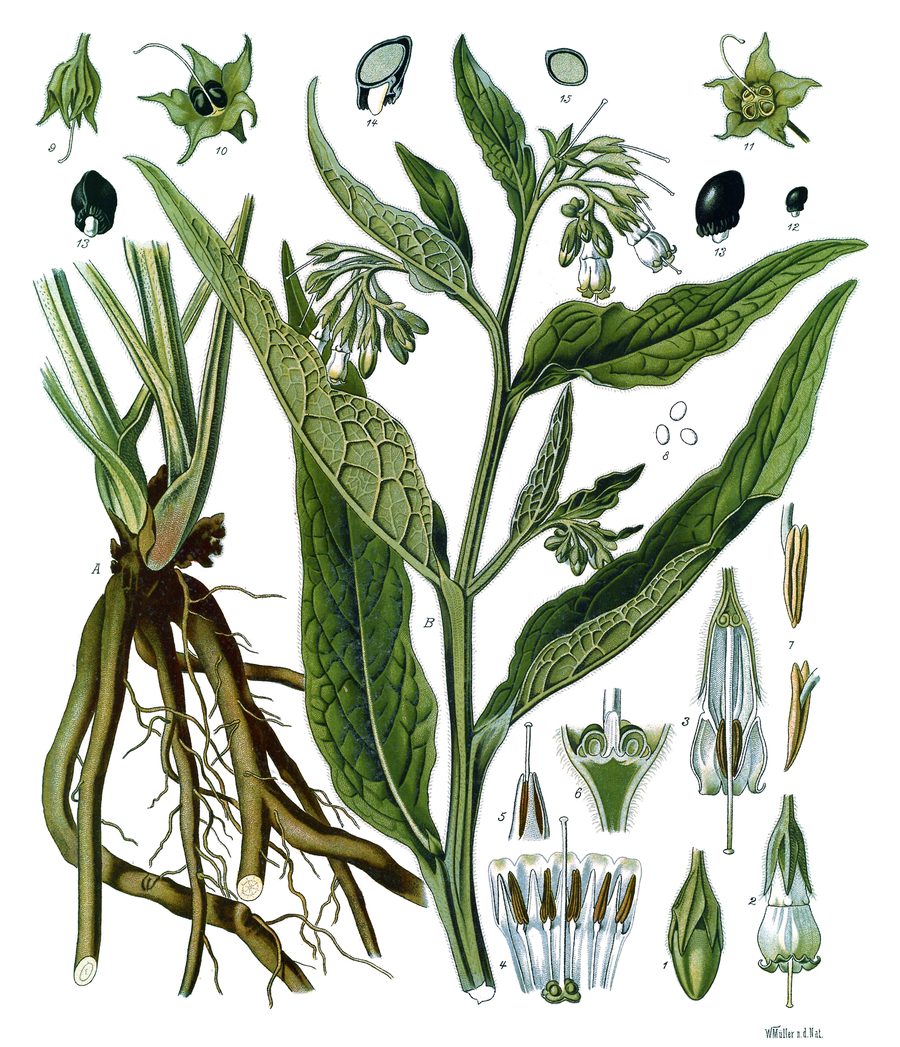
Symphytum officinale
Traditionally used for back strain and muscular pain; bruising and tissue injury.
Ayurveda · European · TCM · Unani
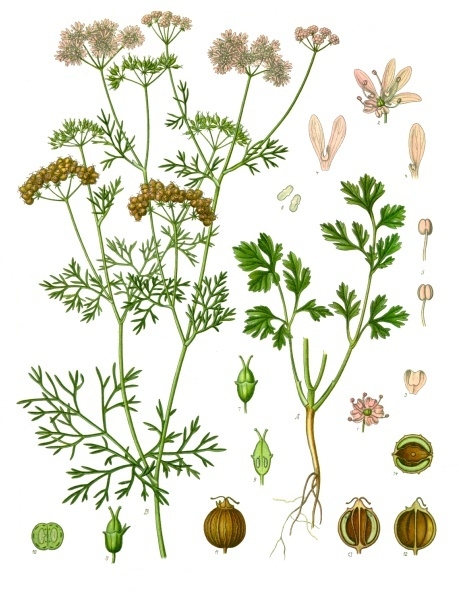
Coriandrum sativum
Traditionally used for acid indigestion, heartburn, burning sensations; digestive issues in summer or hot climates; urinary burning and heat conditions generally.

European Serious cautions
Zea mays
Traditionally used for gentle diuresis; urinary tract irritation with edema; bedwetting in children.

European Serious cautions
Viburnum opulus
Traditionally used for muscle cramps; menstrual cramps; muscle tension and spasm.
European Serious cautions
Vaccinium macrocarpon
Traditionally used for UTI prevention; women with recurrent UTIs; adjunct during active UTI treatment.

Ayurveda · European · Unani
Cuminum cyminum
Traditionally used for sluggish digestion and heaviness after meals; bloating and intestinal gas; digestive weakness in convalescence.
European · TCM Serious cautions
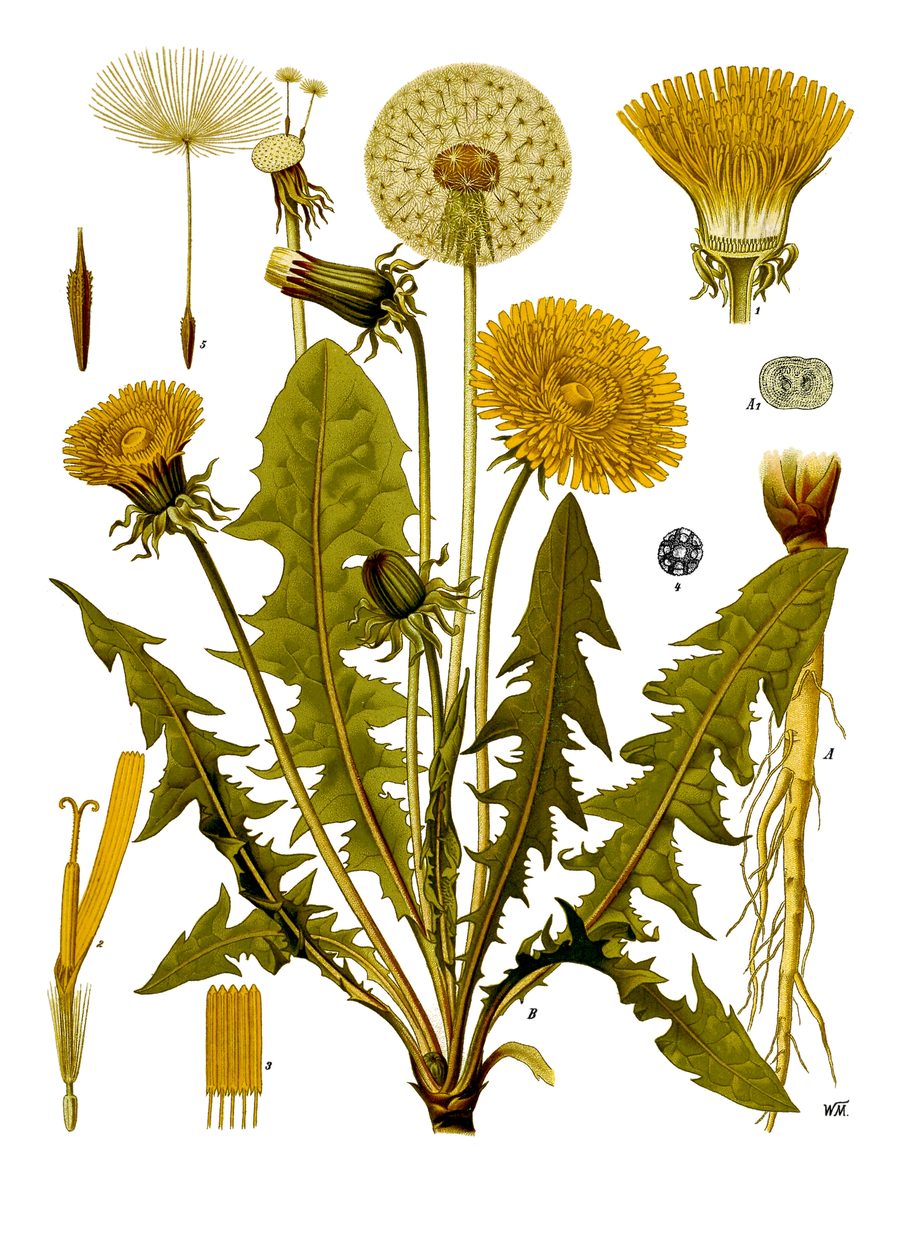
Taraxacum officinale
Traditionally used for mild water retention; premenstrual fluid retention; mild edema from prolonged standing.
European Serious cautions
Harpagophytum procumbens
Traditionally used for osteoarthritis; lower back pain; general musculoskeletal pain.
TCM Serious cautions
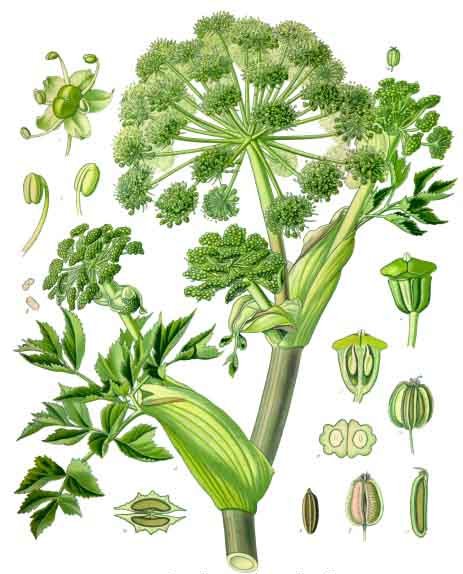
Angelica sinensis
Traditionally used for blood deficiency/anemia; post-menstrual and postpartum blood building; pale complexion, fatigue, dizziness.
European
Traditionally used for boils that are forming but not yet draining.

European
Echinacea purpurea, E. angustifolia
Traditionally used for upper respiratory infections; wound infections; urinary tract infections.
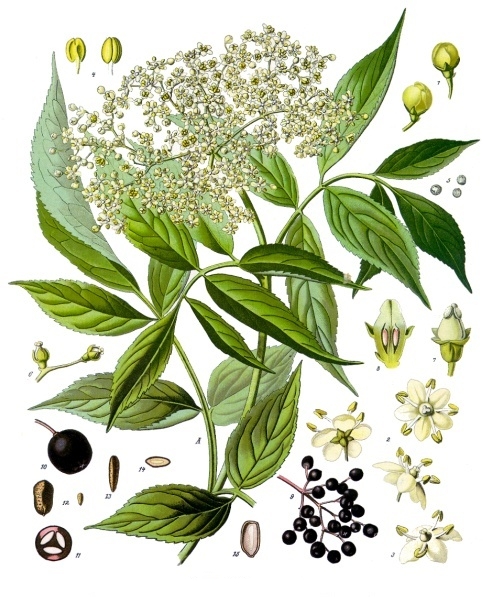
European · Unani
Sambucus nigra
Traditionally used for fever with dry skin; fever accompanying colds and flu; children’s fevers.
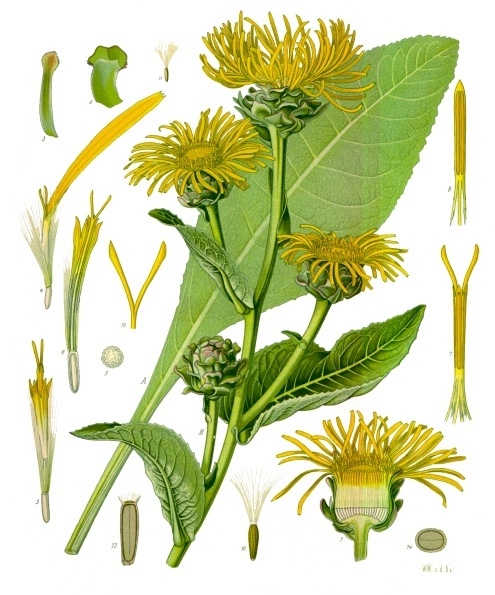
European · Unani Serious cautions
Inula helenium
Traditionally used for chronic cough with copious mucus; lingering cough after acute infection; bronchitis and bronchial congestion.
TCM Serious cautions
Eleutherococcus senticosus
Traditionally used for chronic stress and fatigue; recovery from illness; physical endurance and performance.

Ayurveda · TCM Serious cautions
Ephedra sinica
Traditionally used for bronchial asthma; bronchospasm and wheezing; nasal congestion.
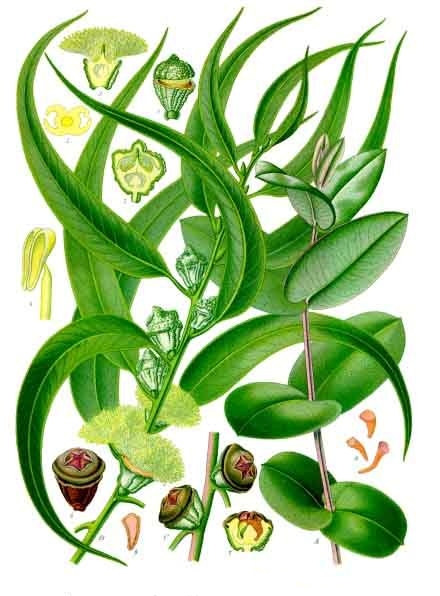
Plant Serious cautions
Eucalyptus globulus
Traditionally used for nasal and sinus congestion; chest congestion; headache from sinus pressure.

European
Euphrasia officinalis
Traditionally used for conjunctivitis; eye irritation and redness; eye strain.
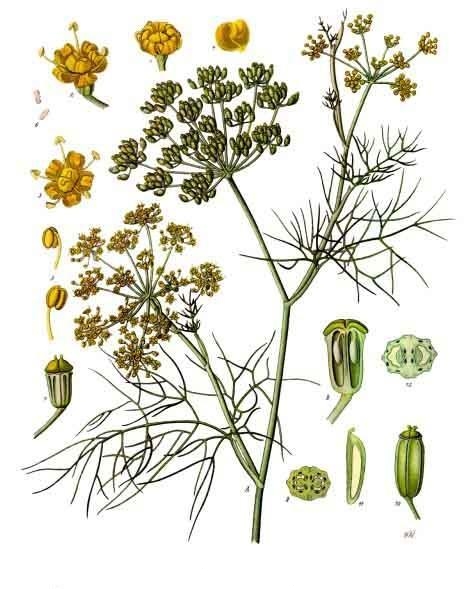
Ayurveda · European · TCM · Unani
Foeniculum vulgare
Traditionally used for bloating and gas; acid indigestion.
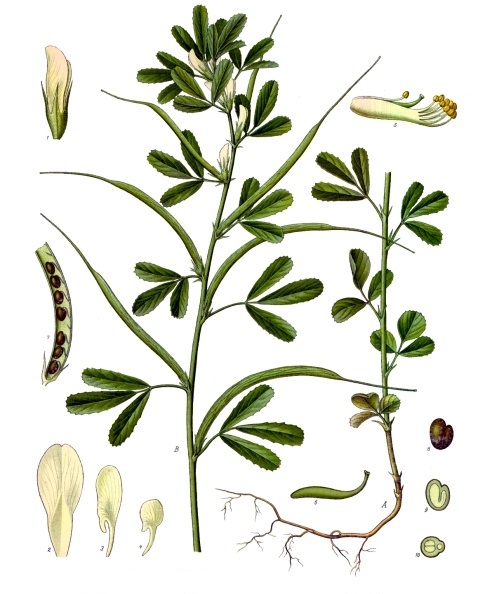
Ayurveda · Unani Serious cautions
Trigonella foenum-graecum
Traditionally used for insufficient milk supply.
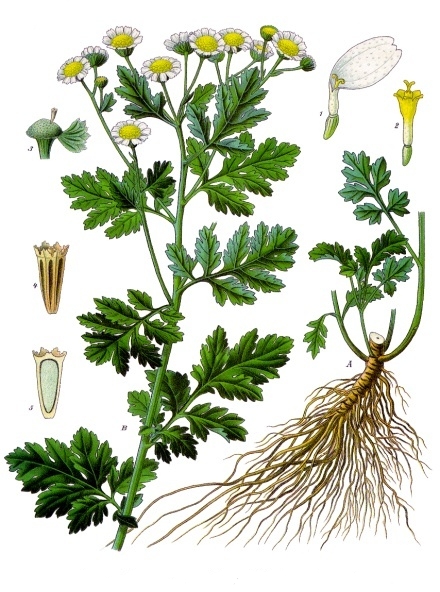
European Serious cautions
Tanacetum parthenium
Traditionally used for migraine prevention.
Ayurveda · European
Traditionally used for poor appetite with sluggish digestion; convalescence when appetite is weak.

Ayurveda · European · TCM · Unani Serious cautions
Allium sativum
Traditionally used for intestinal parasites, especially worms.
European
Warm oil slightly (test on wrist—should be body temperature, not hot).
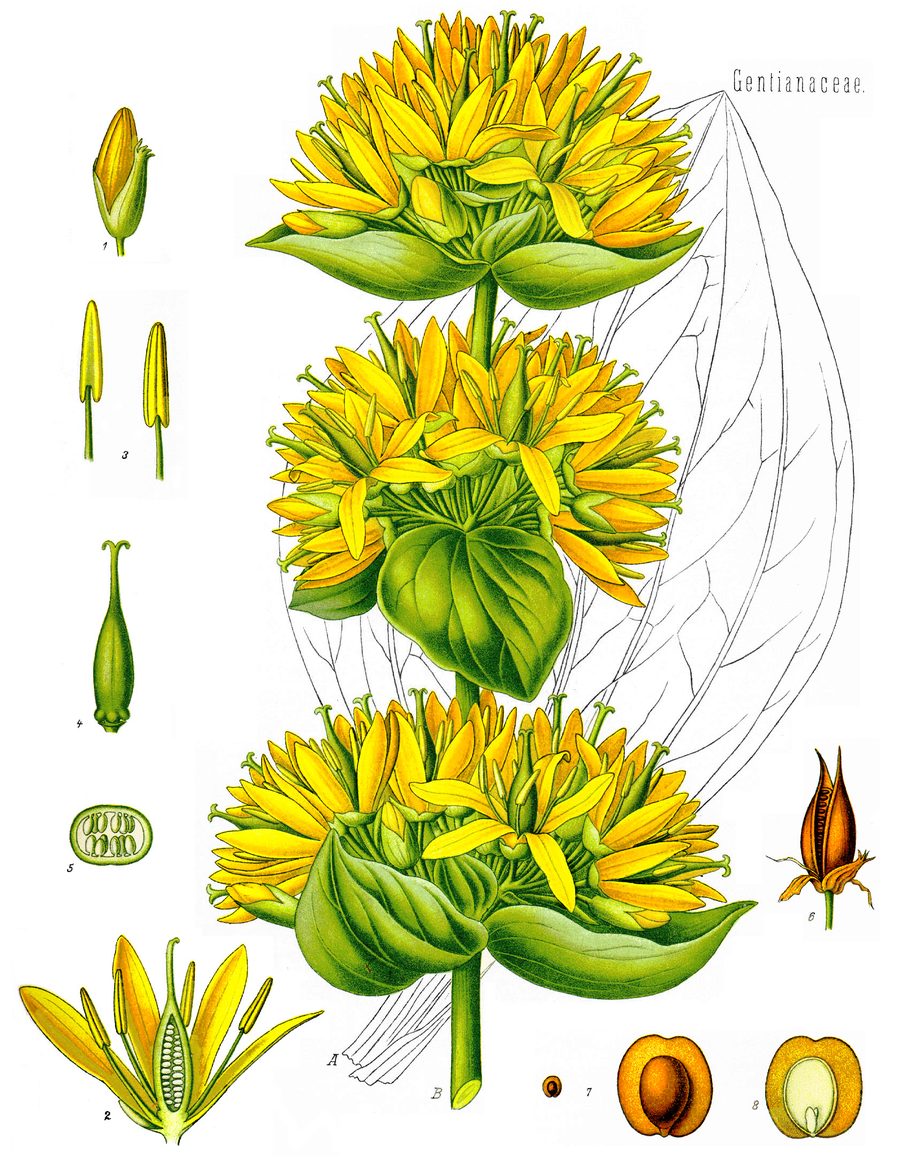
European · Unani Serious cautions
Gentiana lutea
Traditionally used for loss of appetite and weak digestion; convalescence and recovery from illness; “atonic” digestion.
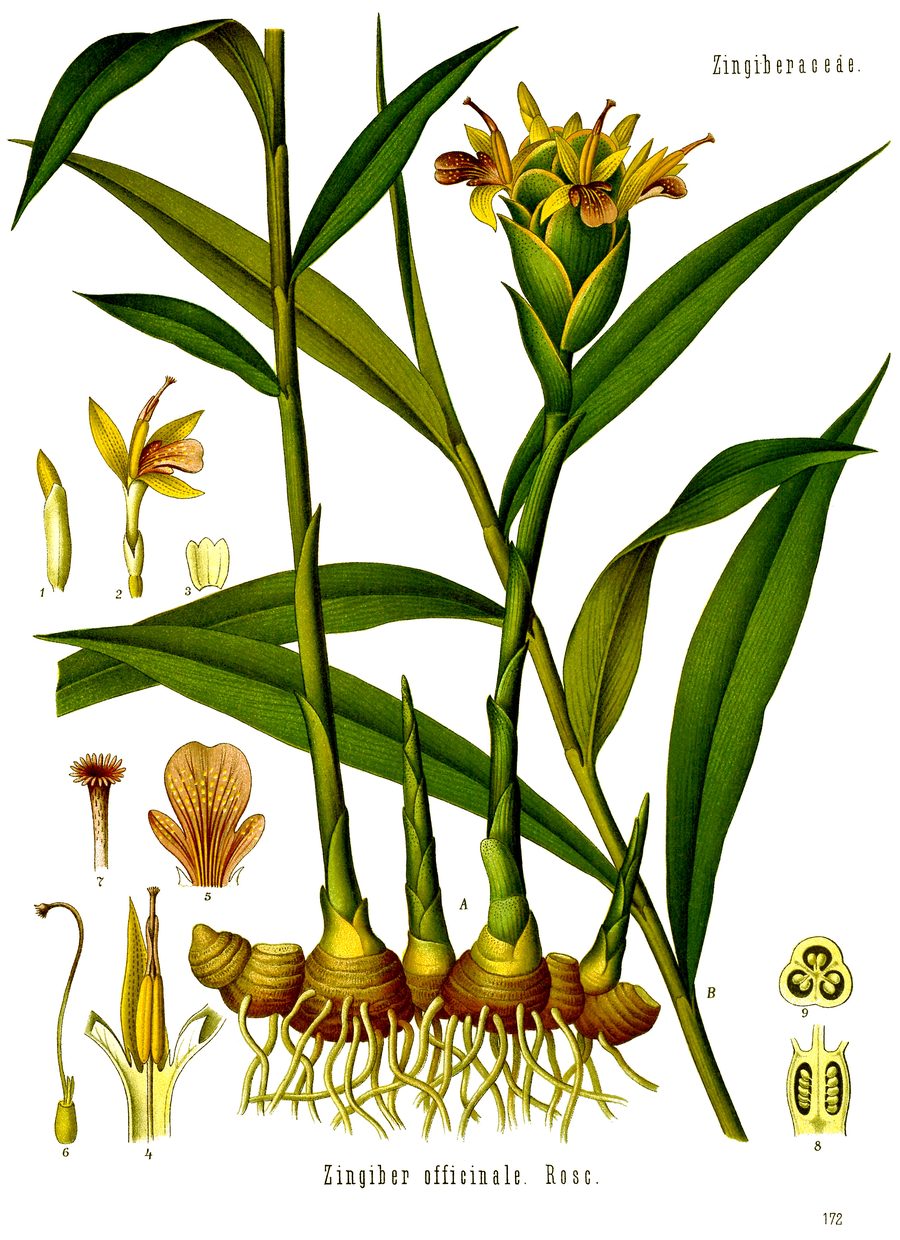
Ayurveda · European · Prophetic · TCM · Unani Serious cautions
Zingiber officinale
Traditionally used for acute nausea; motion sickness; pregnancy nausea.
TCM Serious cautions
Ginkgo biloba
Traditionally used for asthma and wheezing; improved circulation to lungs.
TCM Serious cautions
Panax ginseng
Traditionally used for fatigue and weakness; mental exhaustion; physical endurance.

European Serious cautions
Solidago
Traditionally used for UTI prevention and supportive treatment; urinary tract inflammation; kidney and bladder support.
European Serious cautions
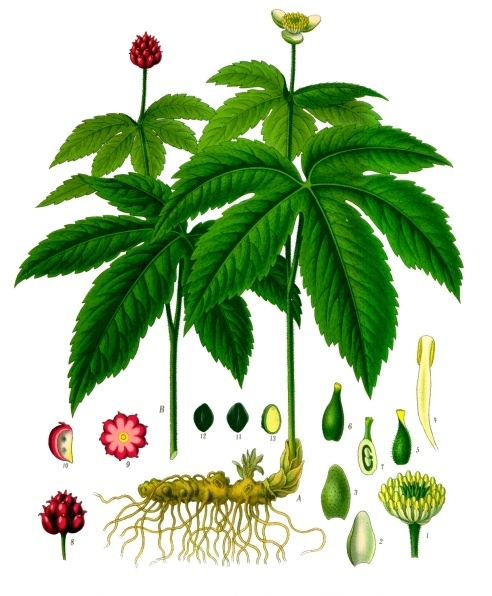
Hydrastis canadensis
Traditionally used for mucous membrane infections; infected wounds; eye infections.
Ayurveda · TCM Serious cautions
Centella asiatica
Traditionally used for venous insufficiency; varicose veins; wound healing.

Ayurveda Serious cautions
Tinospora cordifolia
Known as ’Amrita’ (divine nectar) in Ayurveda.

European · TCM Serious cautions
Crataegus
Traditionally used for mild to moderate hypertension; heart failure support; angina.

TCM Serious cautions
Reynoutria multiflora
One of TCM’s premier longevity and blood-building herbs.
European · Unani Serious cautions
Hibiscus sabdariffa
Traditionally used for mild to moderate hypertension; a pleasant daily beverage for cardiovascular support; hot weather.
Ayurveda Serious cautions
Ocimum tenuiflorum / O. sanctum
Traditionally used for chronic stress and exhaustion; stress with respiratory component; stress-related cognitive difficulties.
Ayurveda · European · Prophetic · TCM · Unani
Traditionally used for dry, irritating cough; a base for other remedies; sore throat accompanying cough.
European Serious cautions
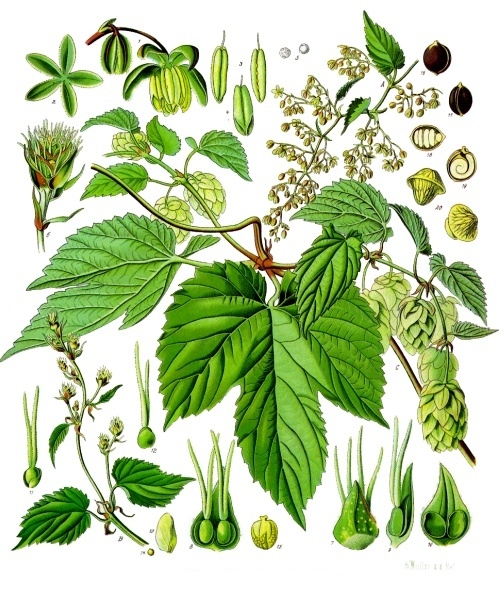
Humulus lupulus
Traditionally used for insomnia, especially with restlessness; sleep disturbance with digestive upset.

European Serious cautions
Aesculus hippocastanum
Traditionally used for chronic venous insufficiency; varicose vein symptoms; hemorrhoids.

European
Armoracia rusticana
Traditionally used for acute sinus congestion; sinus infection support.

European Serious cautions
Hedera helix
Traditionally used for productive cough with viscous mucus; bronchial congestion.
European Serious cautions
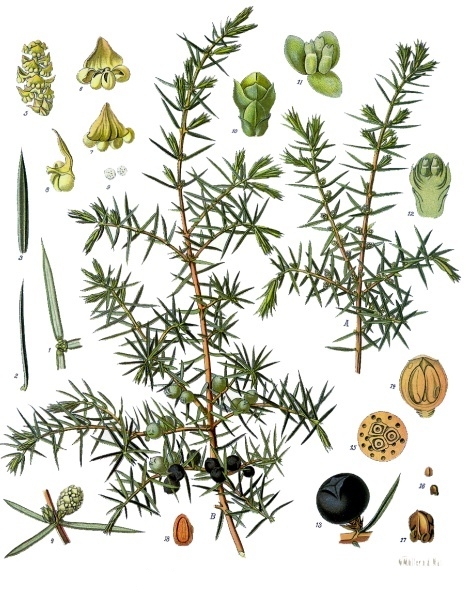
Juniperus communis
Traditionally used for UTI; water retention; urinary tract disinfectant.
Plant Serious cautions
Piper methysticum
Traditionally used for anxiety; social anxiety; anxiety without cognitive impairment.
Unani Serious cautions
Ammi visnaga
Traditionally used for bronchial asthma; bronchospasm; angina (traditional use.

European
Alchemilla vulgaris
Traditionally used for heavy menstrual bleeding; irregular bleeding; uterine tonic.
European · Unani Serious cautions
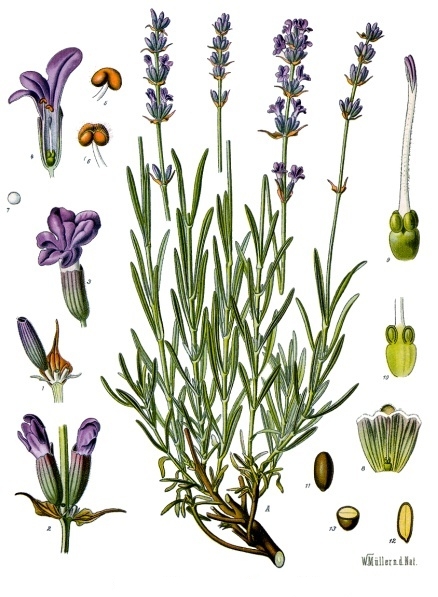
Lavandula angustifolia
Traditionally used for tension headache with stress or anxiety component; migraine; headache with insomnia.
European · Unani Serious cautions
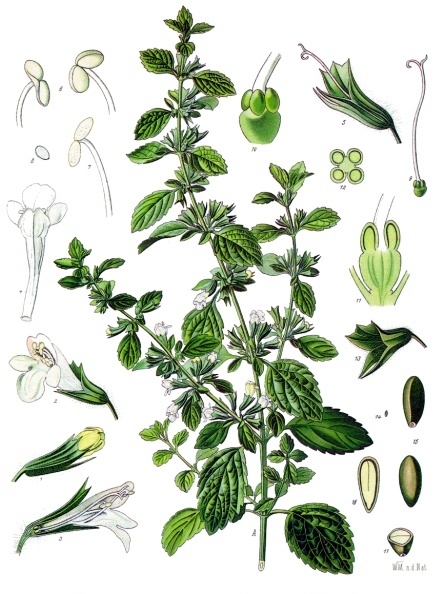
Melissa officinalis
Traditionally used for viral infections generally; herpes simplex; viral infections with anxiety or sleep disturbance.
European
Traditionally used for prevention of calcium oxalate stones; those with history of kidney stones; part of increased fluid intake protocol.
Ayurveda · European · TCM · Unani Serious cautions
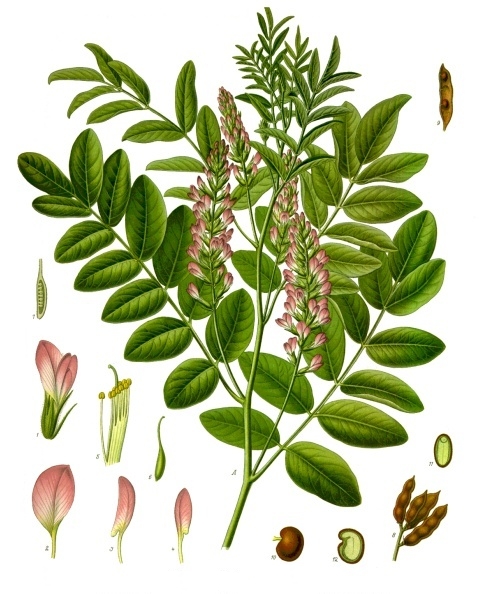
Glycyrrhiza glabra
Traditionally used for dry, irritating cough; hoarseness and voice strain; a harmonizing herb in formulas.
European
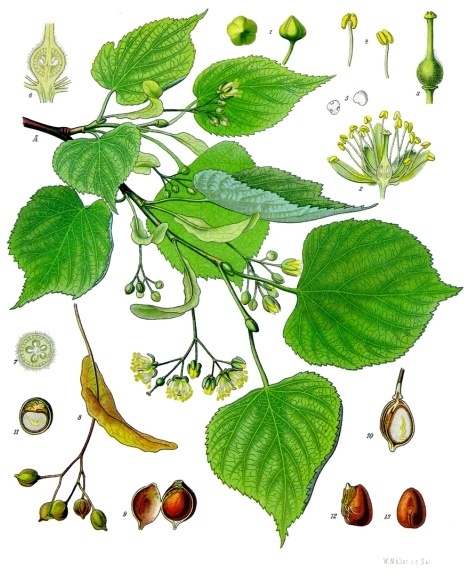
Tilia europea, T. cordata
Traditionally used for fever, especially in children and elderly; fever with anxiety or restlessness; respiratory infections with fever.
TCM Serious cautions
Hericium erinaceus
Traditionally used for cognitive support and neuroprotection; age-related cognitive decline; nerve regeneration.

European Serious cautions
Lobelia inflata
Traditionally used for bronchial asthma; acute bronchitis with spasm; smoking cessation (traditional use.
Plant
Lepidium meyenii
Traditionally used for menopausal fatigue and low energy; mood support during menopause; libido support.
European · Unani Serious cautions
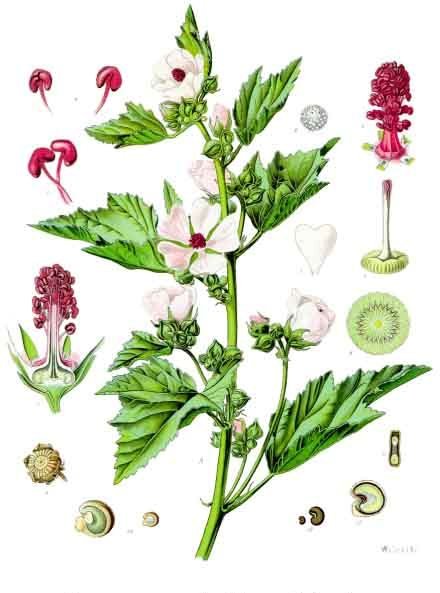
Althaea officinalis
Traditionally used for dry, hacking cough; irritated respiratory tract from environmental factors; cough accompanying sore throat or mouth ulcers.
TCM
Medicinal mushrooms have been used in Asian medicine for millennia.

European
Silybum marianum
Traditionally used for general support during lactation; liver health.
Ayurveda · European · Unani
Salvadora persica
Traditionally used for regular toothbrushing.

Ayurveda Serious cautions
Moringa oleifera
One of the most nutrient-dense plants known — every part is used medicinally.

European · TCM Serious cautions
Artemisia vulgaris
Traditionally used for delayed menstruation; scanty menstruation; menstrual cramps with coldness and stagnation.

European
Verbascum thapsus
Traditionally used for dry, irritating cough; bronchial irritation and inflammation; respiratory conditions with tickling sensation.
Ayurveda · European · Unani Serious cautions
Commiphora myrrha
Traditionally used for gum infections and inflammation; mouth ulcers; toothache with infection.
Ayurveda
Traditionally used for chronic sinus congestion; dry nasal passages; prevention of sinus infections.

Ayurveda · Unani Serious cautions
Azadirachta indica
Traditionally used for intermittent fevers; fever with skin manifestations; fever with suspected parasitic component.

European
Avena sativa
Traditionally used for eczema and atopic dermatitis; contact dermatitis; dry, itchy skin.
Ayurveda
Traditionally used for gum health; reducing plaque; overall oral hygiene.

Unani Serious cautions
Olea europaea
Traditionally used for hypertension; blood sugar management; cardiovascular protection generally.

European · Unani
Allium cepa
Traditionally used for productive cough with stuck mucus; chest congestion; an accessible kitchen remedy.
European Serious cautions
Mahonia aquifolium
Traditionally used for skin conditions with infection component; digestive infections; a bitter tonic and liver support.

Ayurveda Serious cautions
Carica papaya
Traditionally used for intestinal parasites, particularly roundworms.

European · Unani Serious cautions
Petroselinum crispum
Traditionally used for fluid retention; urinary support; mild edema.
European Serious cautions
Passiflora incarnata
Traditionally used for generalized anxiety; anxiety with restlessness; anxiety-related sleep disturbance.
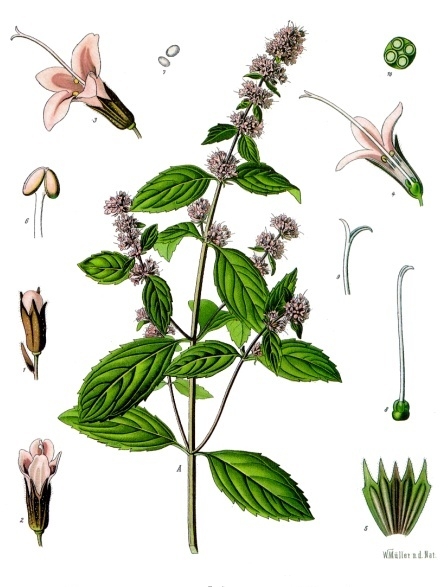
European · Unani Serious cautions
Mentha × piperita
Traditionally used for nausea without acid reflux; digestive cramping; heat-related nausea.

European
Plantago major, P. lanceolata
Traditionally used for cuts, scrapes, and abrasions; insect bites and stings; drawing out splinters and embedded debris.
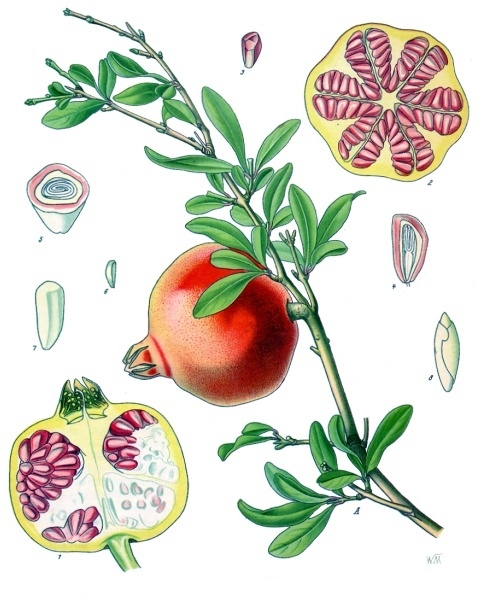
Ayurveda · Prophetic · TCM · Unani Serious cautions
Punica granatum
Traditionally used for acute non-bloody diarrhea; chronic loose stools.
European Serious cautions
Zanthoxylum americanum or Z. clava-herculis
Traditionally used for poor peripheral circulation; cold extremities; raynaud’s phenomenon.
Ayurveda · Unani Serious cautions
Plantago ovata
Traditionally used for diarrhea; IBS with alternating symptoms.
European
Cucurbita pepo
Traditionally used for prostate health maintenance; mild BPH symptoms; nutritional support alongside other remedies.
European
Prunus africana
Traditionally used for BPH symptoms; urinary frequency and incomplete emptying.

European Serious cautions
Rubus idaeus
Traditionally used for uterine tonic for chronic dysmenorrhea.

Ayurveda · Unani Serious cautions
Rauwolfia serpentina
Traditionally used for hypertension; anxiety and insomnia.
European
Traditionally used for immediate relief of minor burns.

European Serious cautions
Trifolium pratense
Traditionally used for hot flashes; menopausal bone health; gentle phytoestrogen source.
TCM Serious cautions
Rhodiola rosea
Traditionally used for stress-related fatigue; mental exhaustion and “burnout”; cognitive performance under stress.
Ayurveda
Traditionally used for dehydration with diarrhea.
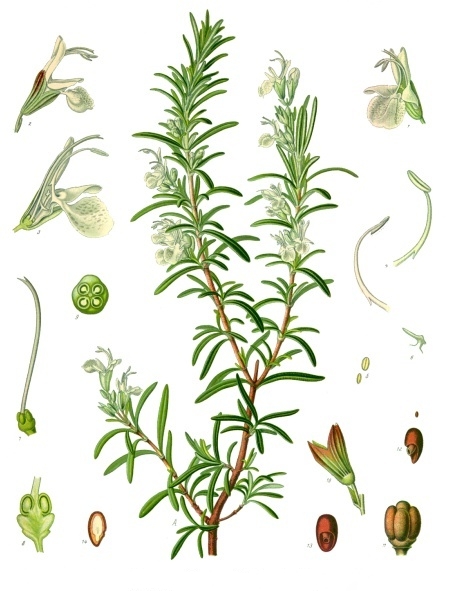
European · Unani Serious cautions
Rosmarinus officinalis
Traditionally used for low blood pressure with fatigue; circulatory weakness; cold constitutions.

Ayurveda · Unani Serious cautions
Crocus sativus
Traditionally used for mild to moderate depression; depression with anxiety; PMS-related mood changes.
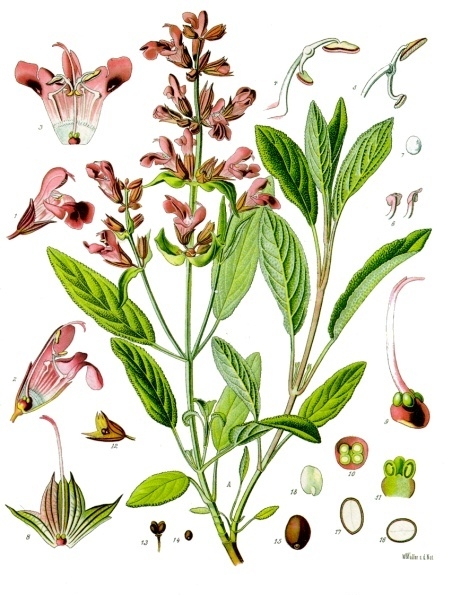
European · Unani Serious cautions
Salvia officinalis
Traditionally used for sore throat and pharyngitis; mouth ulcers and gum inflammation; tonsillitis.
European Serious cautions
Serenoa repens
Traditionally used for BPH symptoms; long-term prostate support.
TCM Serious cautions
Schisandra chinensis
Traditionally used for chronic stress with liver involvement; mental fatigue and poor concentration; physical exhaustion.
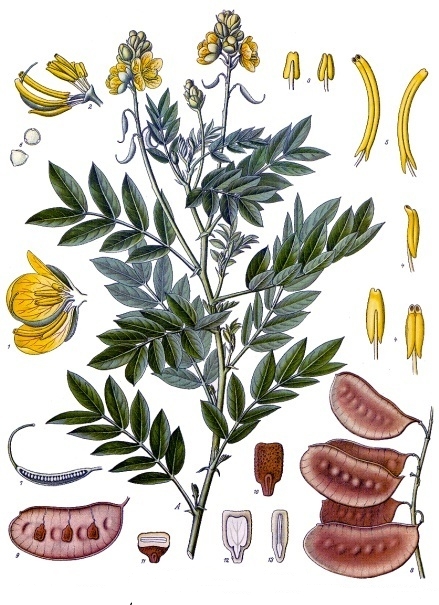
Ayurveda · European · Unani Serious cautions
Senna alexandrina, syn. Cassia angustifolia
Traditionally used for occasional acute constipation.

European · TCM Serious cautions
Capsella bursa-pastoris
Traditionally used for external bleeding; heavy menstrual bleeding; nosebleeds.
European Serious cautions
Scutellaria lateriflora
Traditionally used for nerve pain with anxiety component; neuralgia; nervous exhaustion.
European Serious cautions
Ulmus rubra
Traditionally used for dry cough and sore throat; any irritation of mouth, throat, or digestive tract.
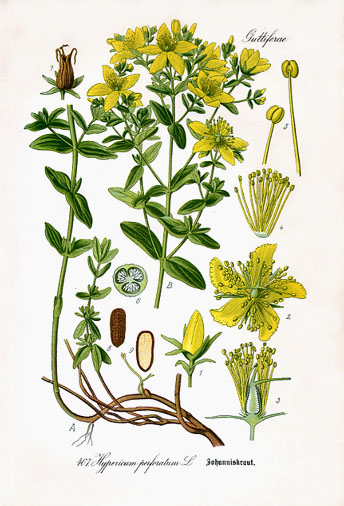
European Serious cautions
Hypericum perforatum
Traditionally used for mild to moderate depression; seasonal affective disorder; anxiety with depression.

European · Unani Serious cautions
Urtica dioica
Traditionally used for osteoarthritis and inflammatory arthritis; gout; a nutritive tonic.

TCM Serious cautions
Artemisia annua
Traditionally used for fever, particularly intermittent fever; malaria; fever with heat signs.

Ayurveda · Unani Serious cautions
Tamarindus indica
Fruit pulp used as a digestive aid, gentle laxative, and cooling agent for fever.

European
Melaleuca alternifolia
Traditionally used for athlete’s foot; ringworm; nail fungus.
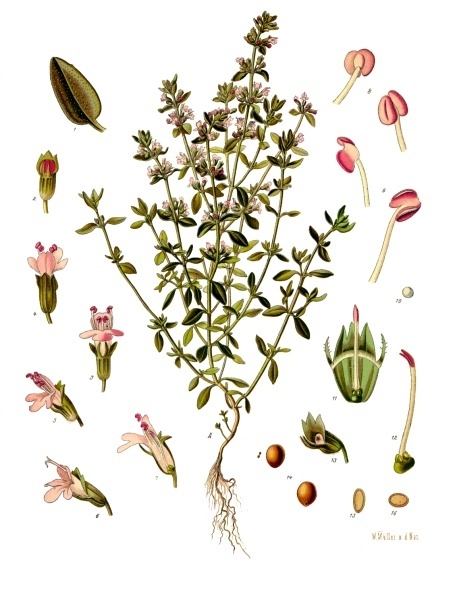
European · Unani Serious cautions
Thymus vulgaris
Traditionally used for productive cough with thick mucus; bronchitis and chest congestion; whooping cough.
Ayurveda
Ayurveda has recommended tongue scraping for thousands of years.

Ayurveda · TCM · Unani Serious cautions
Tribulus terrestris
Fruit and root used for urinary tract health, kidney stone prevention, and traditionally for vitality.
Ayurveda Serious cautions
Traditionally used for chronic constipation and bowel regulation; a gentle daily tonic for digestive health; “balancing” digestion.
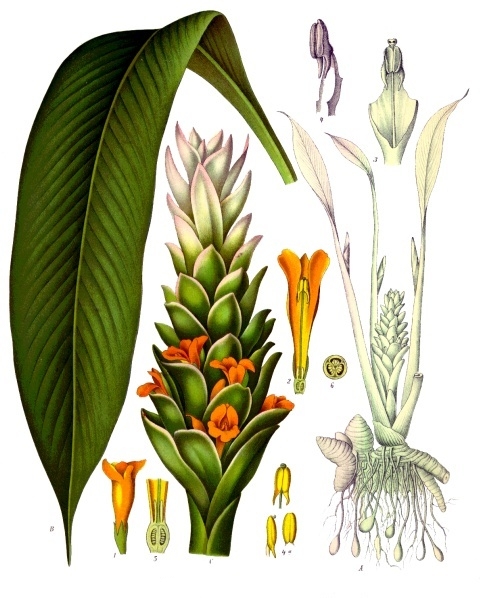
Ayurveda · Unani Serious cautions
Curcuma longa
Traditionally used for sore throat with inflammation; respiratory infections; voice strain and hoarseness.

European · Unani Serious cautions
Arctostaphylos uva-ursi
Traditionally used for acute uncomplicated UTI; chronic UTI prevention.
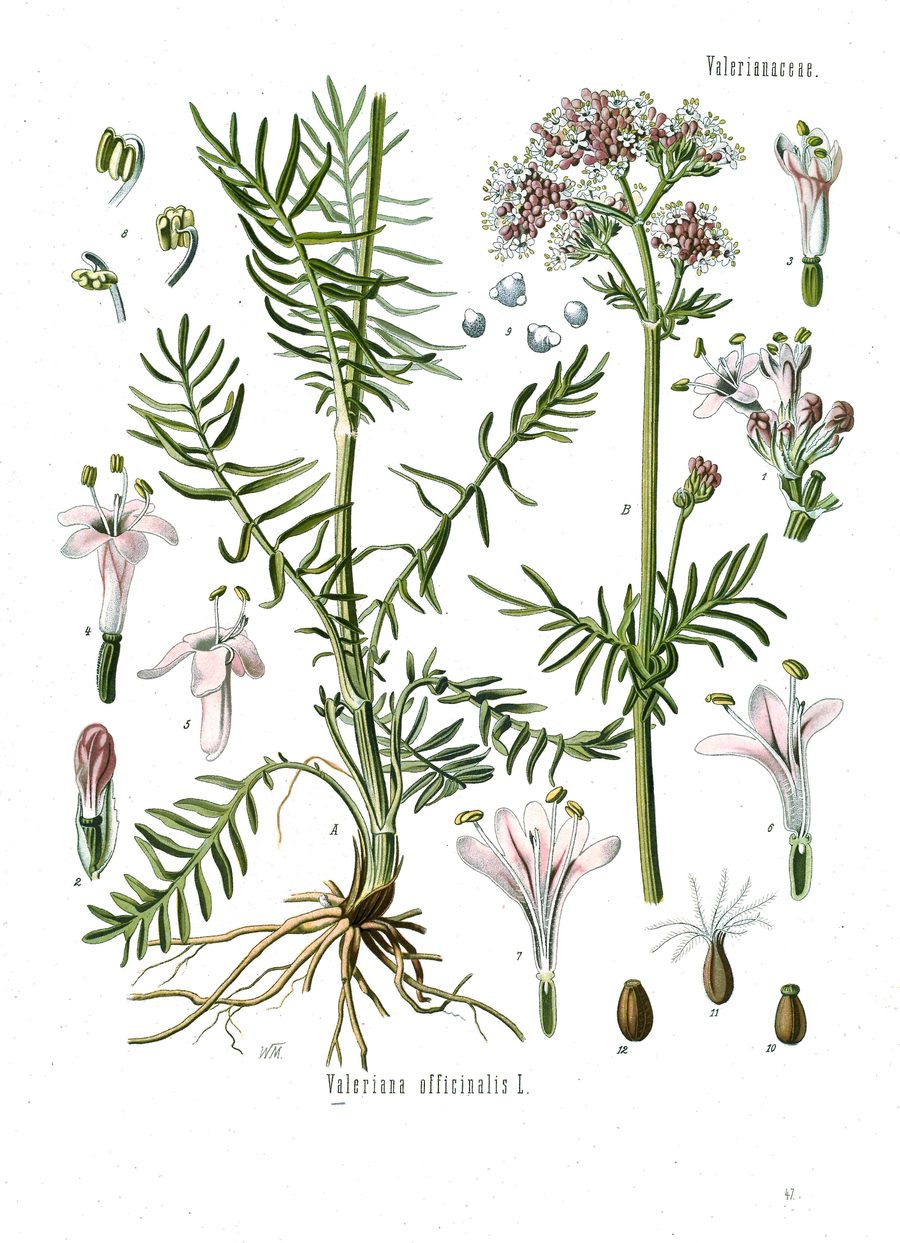
Ayurveda · European · Unani Serious cautions
Valeriana officinalis
Traditionally used for muscle tension related to stress or anxiety; muscle spasms; tension-type pain with difficulty relaxing.

European · Unani Serious cautions
Salix alba
Traditionally used for tension headache and general pain; fever; inflammatory conditions.

European Serious cautions
Dioscorea villosa
Root used traditionally for menstrual cramps, digestive colic, and inflammatory conditions.
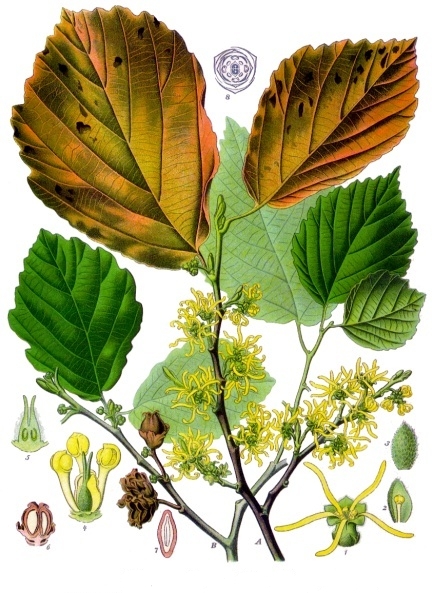
European
Hamamelis virginiana
Traditionally used for minor sprains and strains; skin irritations.
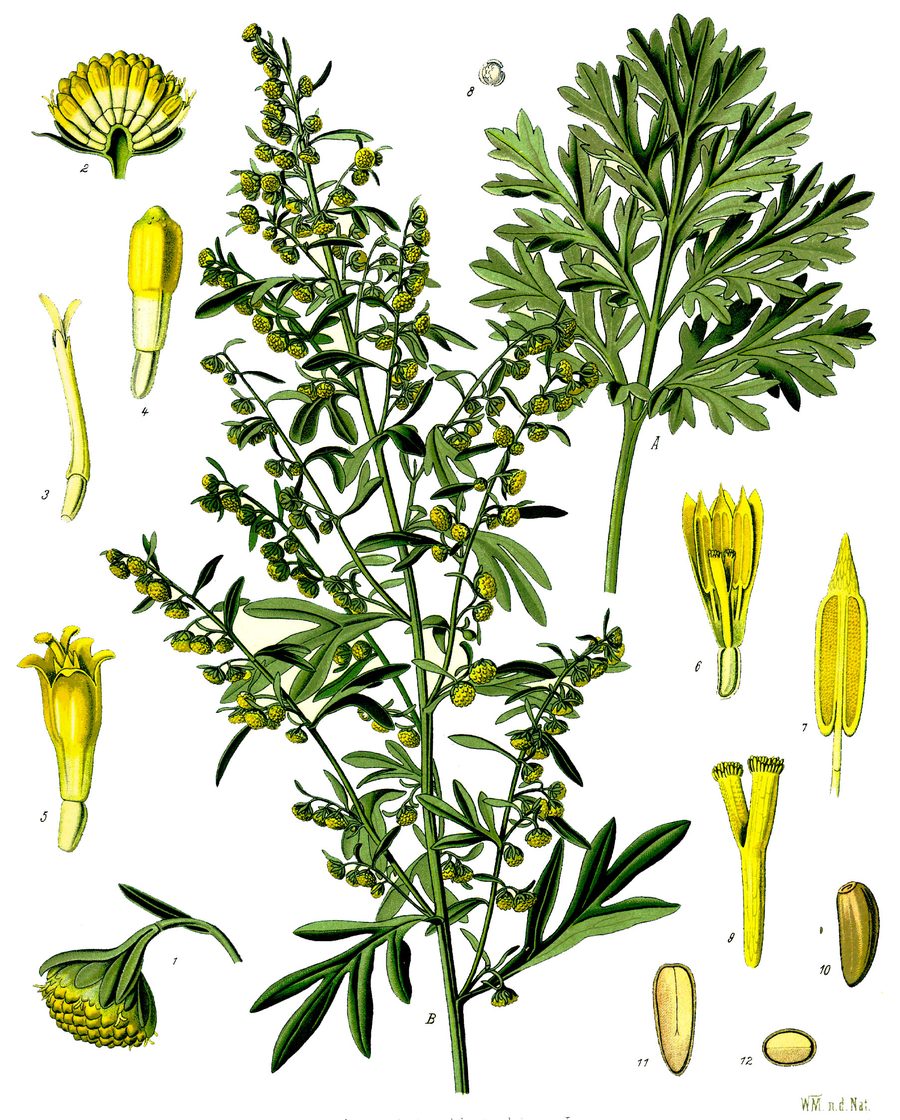
European · Unani Serious cautions
Artemisia absinthium
Traditionally used for roundworms and pinworms; suspected intestinal parasites with symptoms.
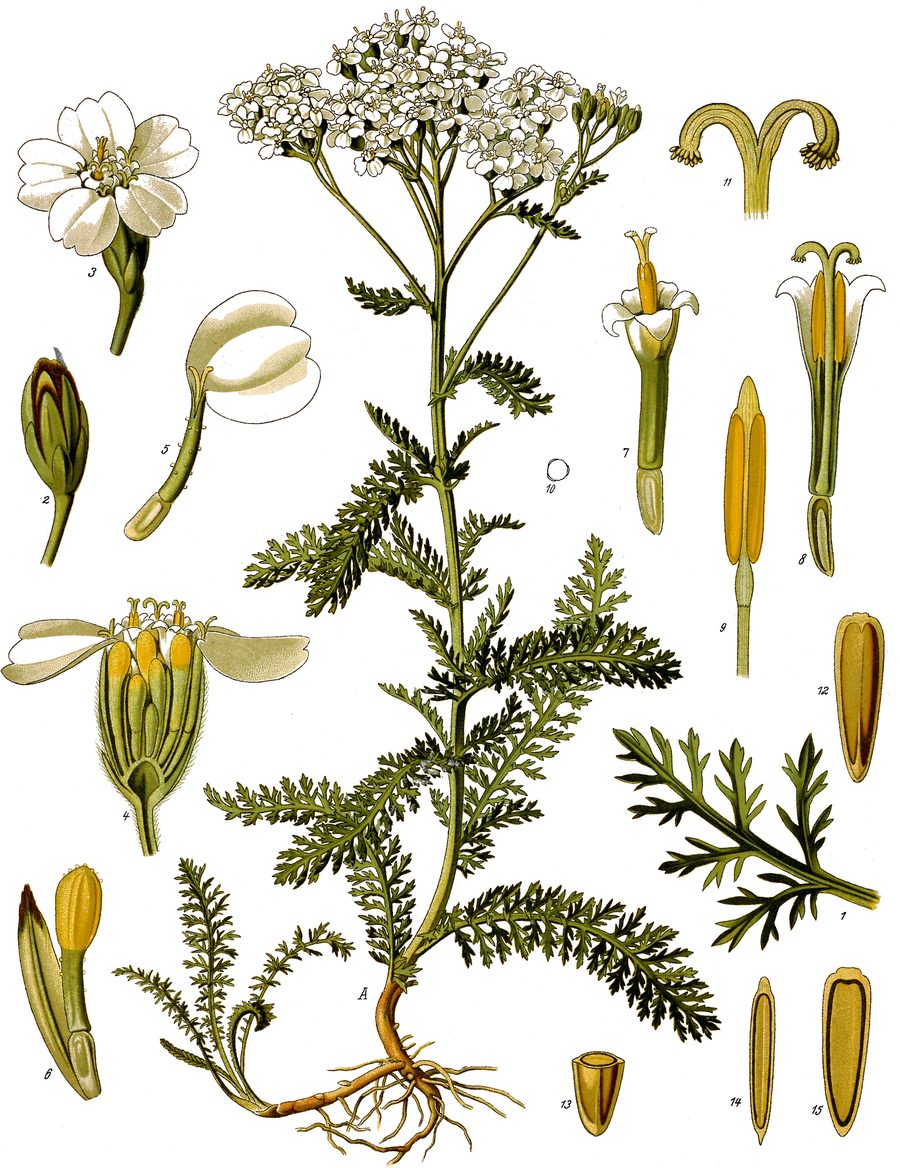
European · Unani Serious cautions
Achillea millefolium
Traditionally used for fever; fever with body aches.
European Serious cautions
Rumex crispus
Traditionally used for iron-deficiency anemia; “blood building” during recovery from illness or blood loss; general debility with anemia.
No plant matches that search. Try a broader word — or clear the filter.
Start from the problem
71 conditions across 13 body systems, as the compendium groups them. Each condition page lists the plants used for it.
Where the knowledge comes from
The same plant often turns up in several traditions, sometimes for the same reason. Where they agree is usually where the research is strongest.
Western herbal tradition from Dioscorides’ De Materia Medica through modern phytotherapy. Includes folk, astrological, and empirical approaches. 104 plants.
Islamic medicine based on four humors and temperaments. Key texts: Ibn Sina’s Canon of Medicine, al-Razi’s Kitab al-Hawi. 55 plants.
Traditional Indian medicine based on three doshas, six tastes, and energetics. Key texts: Charaka Samhita, Sushruta Samhita, Ashtanga Hridaya. 52 plants.
Medicine based on Yin/Yang, Five Elements, Qi, and meridians. Key texts: Shennong Ben Cao Jing, Huangdi Neijing, Ben Cao Gang Mu. 32 plants.
Faith-based healing from Hadith collections and Ibn Qayyim’s Medicine of the Prophet. Emphasizes diet and prevention. 4 plants.
Companion notes
Traditional formulas rarely use one plant alone, and the active compounds are what the research actually tests.
Synergy map · 43 pairings
Ginger with turmeric, cumin with coriander and fennel, valerian with hops: the combinations the traditions return to, drawn as a map, with the mechanism and evidence for each.
Open the synergy map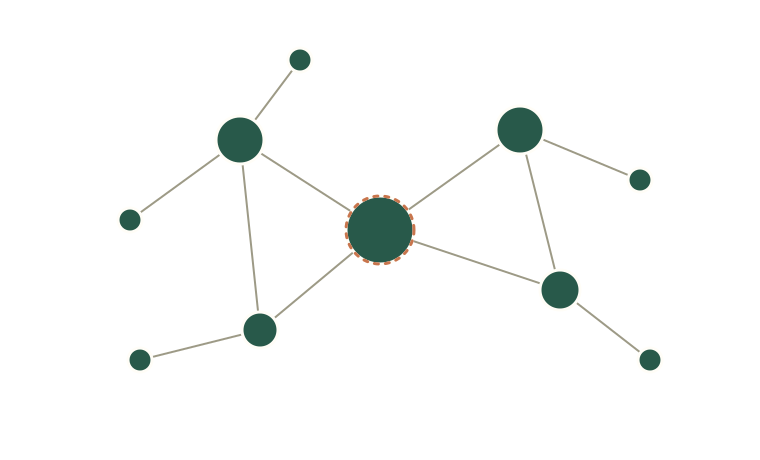
The compounds behind the effects, each with the plants that contain it and the papers that describe it.
Scope and honesty
It records how plants have been used and what is known about why. It cannot know your body, your medicines or your diagnosis.
Entries come from the compendium Nature’s Pharmacy, which gathers uses from five traditions. Research references are given where a claim about a compound, a pairing or a risk has been studied; many traditional uses have not.
There are no doses here on purpose. Strength varies with the plant, the part, the season and the preparation. A qualified herbalist, pharmacist or doctor can tell you what is appropriate for you.
Chest pain, breathing difficulty, high fever, bleeding, poisoning or anything that frightens you needs medical help now, not a remedy. Use the library for the everyday, and to ask better questions.
Most households own a few of these plants without thinking of them as medicine. Read about one you already have — what it is used for, and what it is not for.