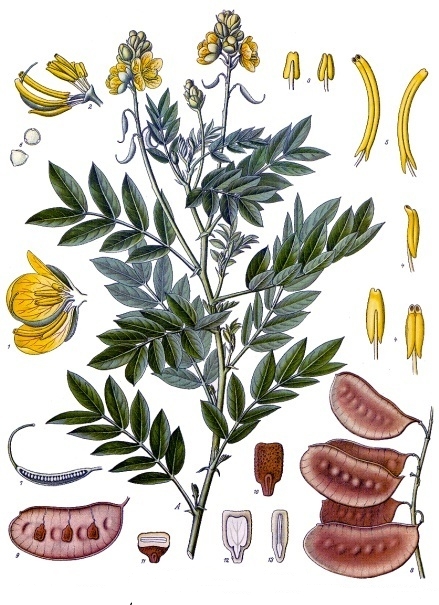
Traditionally used for occasional acute constipation.
Traditional uses
- For occasional acute constipation
- Works within 6-12 hours—typically taken at bedtime
- Stimulant laxative—increases intestinal contractions
Conditions it is used for
Digestive System
In the old texts
Senna was introduced to European medicine through Arab physicians. Ibn Sina documented it extensively. It became one of the most widely used laxatives globally. The name “Senna alexandrina” reflects its trade through Alexandria.
What does the work
- Alkaloids
- Nitrogen-containing organic compounds with potent pharmacological activity.
Combines well with
Ginger Unani, European
Prevents griping cramps from senna
How: Sennosides activate myenteric plexus peristalsis; gingerols and anethole provide carminative antispasmodic action, preventing excessive smooth muscle contraction
Cautions
- Pregnancy Serious
Many herbs cross the placental barrier and may stimulate uterine contractions (emmenagogue/oxytocic effects) or disrupt fetal development. Alkaloids, volatile oils, and anthraquinone laxatives carry particular risk 1. - Breastfeeding Take care
Lipophilic compounds (alkaloids, volatile oils, terpenoids) readily transfer into breast milk, potentially exposing the infant to pharmacologically active doses. Herbs that alter prolactin or dopamine may also affect milk supply. - Short-term use only Take care
Chronic use of stimulant laxatives (anthraquinones) causes electrolyte depletion and dependency 2; prolonged sympathomimetic use (ephedra) risks cardiovascular damage; extended kava use may cause hepatotoxicity.
These are the cautions recorded for this plant, not a complete list. Doses, preparations and interactions vary; ask a pharmacist or qualified practitioner before combining a herb with medication.
Research references
- Ernst E. Herbal medicinal products during pregnancy: are they safe?. BJOG, 2002.
- Xu JD et al.. Emodin induces chloride secretion in rat distal colon through activation of mast cells and enteric neurons. Br J Pharmacol, 2012.