Rooted field manual · Edition 01

Build from what the ground gives you.

Fifteen field recipes for shelter, heat, metal, fibre and water — using clay, stone, shells, wood, wool and weeds, and the strength of a small group working without a grid.

No power tools. No kiln you cannot build. No material that has to arrive on a truck. Each recipe names its fuel, its failure points, and the simple tests that tell you whether it worked before you commit a season to it.

  • Hand tools
  • Local materials
  • Small-group scale
  • Test before you build
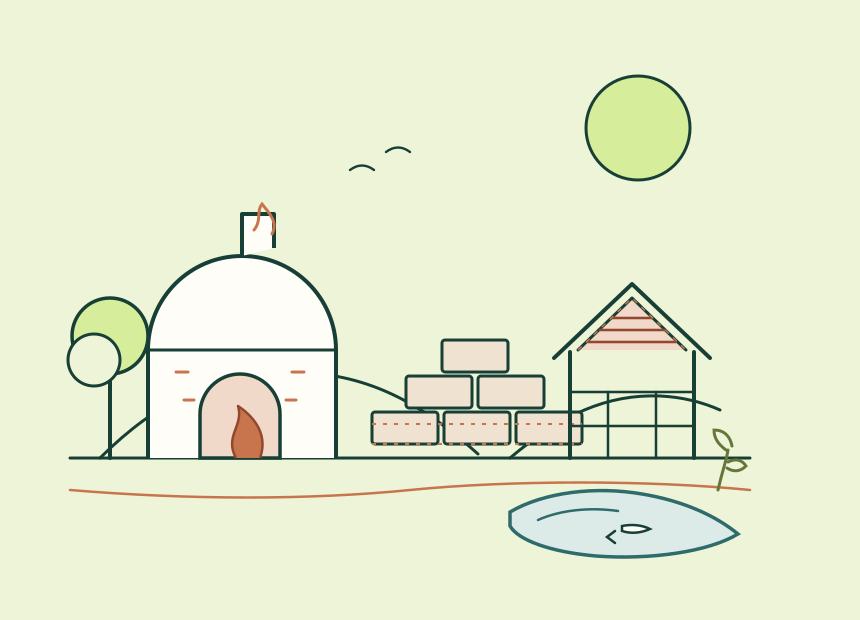
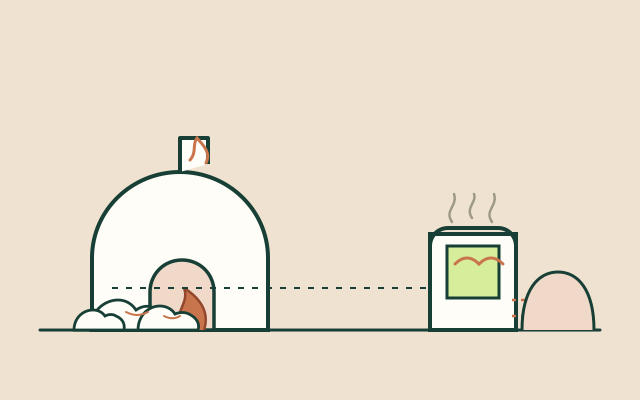
Line drawing of a lime kiln, stacked adobe bricks, a timber roof and a fish pond.
A working landscape: lime, earth, timber, fire and water, all within sight of one another.

A route, not a rule

A sensible order of works

Everything depends on everything else, so begin with the things that unlock the rest. The order below keeps you dry, fuelled and supplied while the slower work matures.

  1. Read the ground

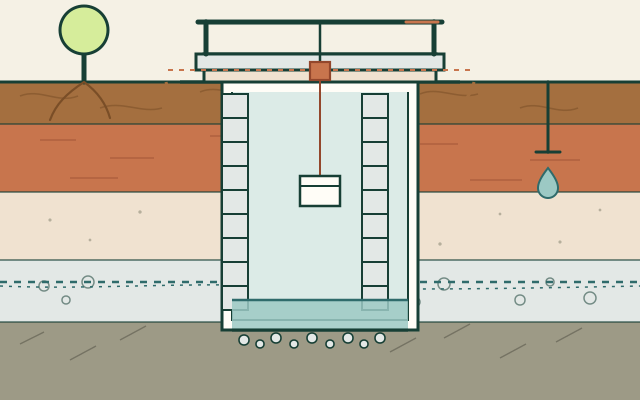
    Jar-test the soil, ribbon-test the clay, fizz-test the shells, streak-test the ore. A week of testing saves a season of rebuilding. If you may need a well, test the water table in the dry season before committing a site: see wells, water and soil. The four field tests are below.

  2. Raise the shell

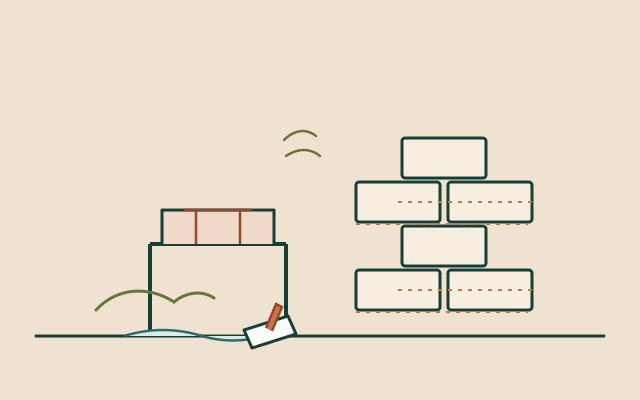
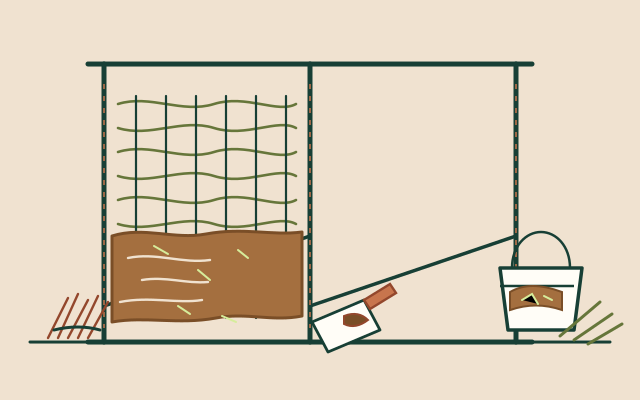
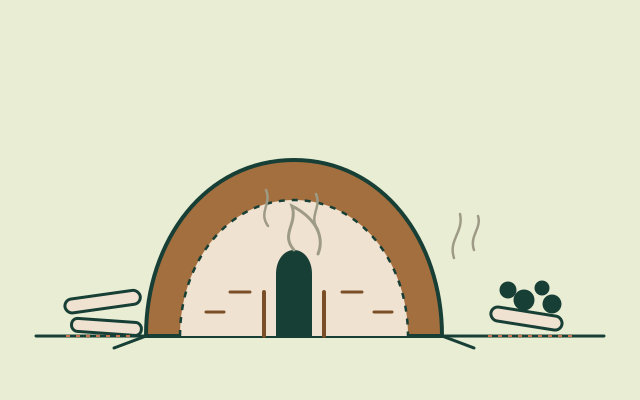
    Mud bricks and lime are the two great primitive building materials: one from subsoil, one from burnt carbonate. Start with adobe, then woven wattle and daub for framed panels, and shell lime for mortar, render and floors. If the site needs a cellar, cut it into a drained slope before the roof goes on: see cellars, stone and slope.

  3. Cover it well

    A wall is only as good as its roof. Shingles, thatch or tile decide whether the building survives its first wet winter; generous overhangs matter as much as the covering.

  4. Make fire useful

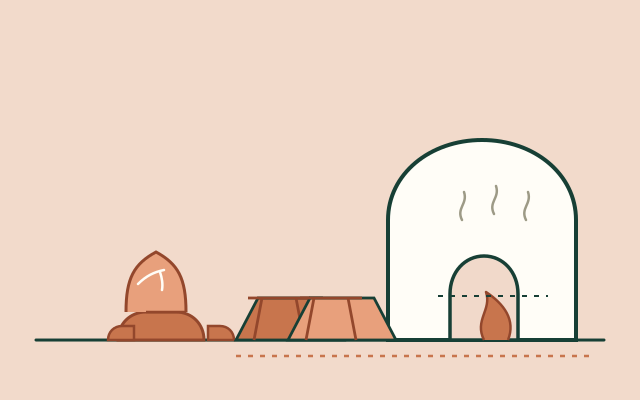
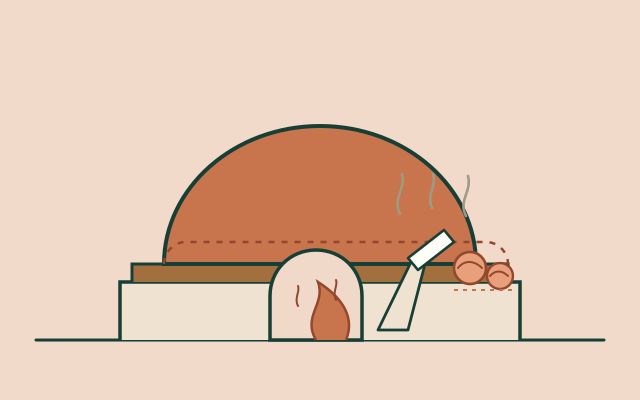
    Charcoal gives you a concentrated, smokeless fuel. An earth oven or rocket stove turns small wood into daily cooking and a warm hearth.

  5. Metal and warmth

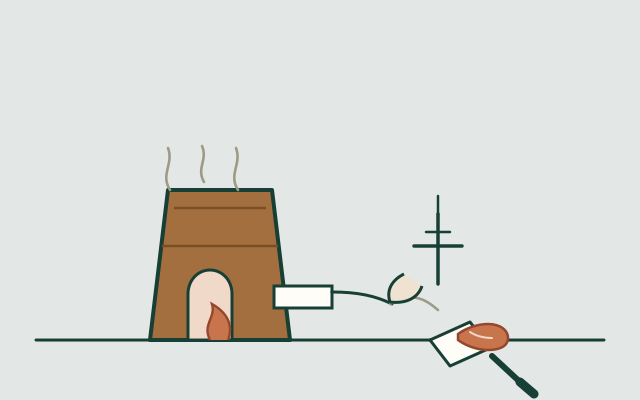
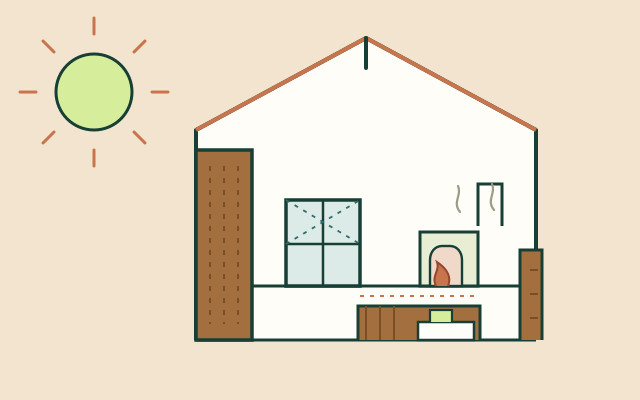
    With charcoal and a clay furnace you can attempt bloomery iron. With mass, insulation and a small fire you can make one room genuinely warm.

  6. Then the slow crafts

    Pots and tiles, paper, ink, wool, plant fibre and finally a fish pond ask for settled hands and a settled place.

The recipe box

Fifteen things to make

Filter by material family, or search for something you already have — shells, clay, wool, a heap of oak galls. Every guide includes materials, step-by-step method, tests, limits and its own safety notes.

Companion notes

Beyond the recipes

The recipes stand on their own. These notes add details from other building traditions, local stone and cellar construction — and explain what not to copy.

Design notes · Shelter

Borrowed shelter

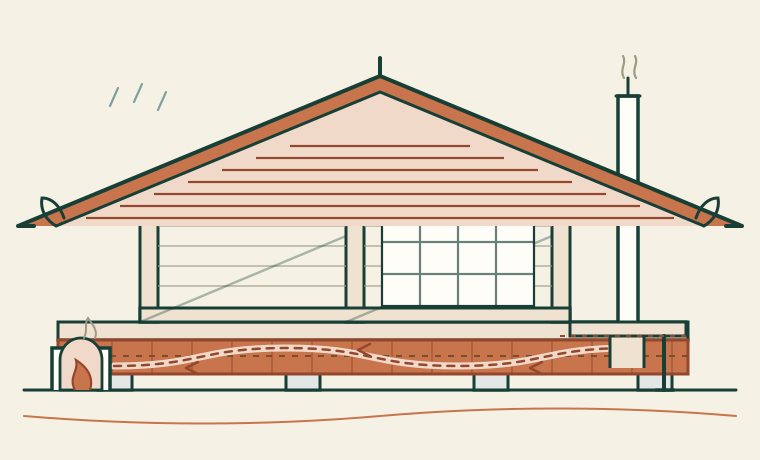
Raised floors, deep eaves, ondol heated mass, lath-and-plaster walls, charred cladding and joinery that comes apart. Import the climate logic, not the silhouette.

Read the design notes
Cutaway of a hybrid house with stone footings, a raised floor over a heated clay mass, lath-and-plaster walls and deep eaves.

Construction notes · Cellar and stone

Cellars, stone and slope

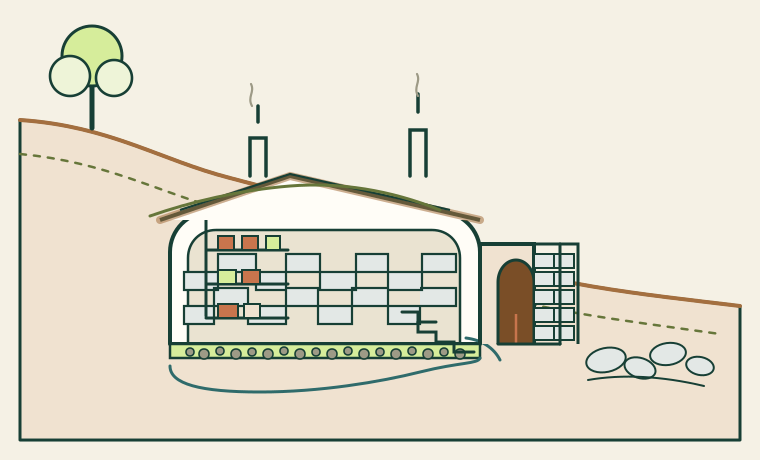
A cool root cellar, a wall that holds a bank, a path that sheds water: how to read local river stone and rubble, and use it in foundations, walls, slopes and courtyards.

Read the construction notes
Cutaway of a hillside root cellar with stone walls, earth roof, ventilation pipes and drainage.

Before you spend a season

Four tests to read the ground

These are field indicators, not laboratory analyses. They are enough to choose a first experiment and to know when a material is badly wrong.

The jar test — soil

Fill a straight jar one-third with soil, top up with water, add a pinch of salt if the clay refuses to settle, shake hard, then let it stand. Sand settles in about a minute, silt within a few hours, clay over a day or more. Mark the layers and estimate their shares. Adobe wants plenty of sand and silt with enough clay to bind — roughly one part clay to three or four parts sand and silt, but the ribbon test matters more than the arithmetic.

The ribbon test — clay

Moisten a handful of soil to a stiff putty and squeeze it through your fist. A long, strong ribbon that holds together suggests high clay; a short, crumbly ribbon suggests sandy soil. Roll a sausage and bend it into a ring: if it cracks badly, the clay is short and needs temper. If it never dries hard, it may have too much organic matter.

The fizz test — lime

Powder a little shell, limestone or chalk and drop it into vinegar or citric acid. A lively fizz means carbonate, the raw material for lime. No fizz means you are holding sandstone, gypsum or something else. This test identifies the feedstock only; it does not prove that your burn reached the right temperature. That is what slaking tells you.

The streak and magnet — ore

Rub a suspected iron stone across unglazed porcelain. A red-brown streak points to hematite; a yellow-brown streak to limonite or goethite. Magnetite is heavy, black and may pull a compass needle. Bog iron is porous, rust-stained and forms in wet ground. Roast a small sample: ore should redden, smell sulphurous if impure, and become brittle enough to crush.

Record what you test. Note the place, the colour, the smell, the proportions and the date. A settlement’s most valuable technical document is a notebook of local materials that failed and succeeded — not a downloaded recipe.

The workshop code

Six rules that outrank every recipe

These methods are old, but the people using them are not disposable. Read this page before the first fire, the first slaking, or the first wall.

  • Fire is an outdoor tool. Charcoal mounds, kilns and forges produce carbon monoxide, which is invisible and odourless. Never burn charcoal or run a forge in a sealed room, tent or cellar. Keep water, sand and a clear escape route at every firing.
  • Lime and lye burn. Quicklime reacts violently with water and can take an eye. Wear sealed goggles, gloves and long sleeves, work upwind, and always add lime to water — never water to lime. Keep children and animals away from the slaking pit.
  • Dust is a slow poison. Clay, ash, silica and charcoal dust damage lungs. Work wet where you can, wear a fitted particulate respirator for mixing and sieving, and never dry-sweep a workshop.
  • Build low and brace it. Earth walls are heavy and weak in tension; roofs catch wind; ponds and retaining walls fail suddenly. Use a ring beam, buttresses and generous overhangs, and get a qualified engineer or local authority to check anything taller than a single storey or holding back water.
  • Water is law and hazard. Check water rights, land tenure, flood risk and wildlife rules before damming or stocking. Fence ponds from small children, provide a shallow exit, and never move fish or plants between catchments — that is how invasives and disease spread.
  • Test small, then scale. Make one brick, one pot, one sheet, one bloom, one square metre of roof. Keep a margin for failure, and do not bet the winter on a first attempt.

Scope and honesty

What this manual is — and is not

“Primitive” is a direction of travel, not a purity test. The aim is to reduce dependence on distant supply chains, not to pretend that a group in isolation has no obligations.

Start with the ground under your feet.

Dig a jar of soil, powder a shell, and rive one shingle. The first afternoon of testing will tell you more about your site than a shelf of manuals — including this one.