
Crop 033 / Secale cereale

Hardy through winter. Uncompromising at harvest.

Grow rye as a winter-hardy autumn cereal or a same-season spring crop. Keep tall straw standing with measured fertility, inspect flowering heads for ergot, and carry only sound, mature, thoroughly dry grain to the kitchen or store.

Harvest
Mature, sound grain Reject ergot-affected lots; dry and thresh sound heads, then clean and protect the grain.
Typical crop window
100–300 days About 100–140 days for spring rye; roughly 240–300 for autumn-sown winter rye including dormancy.
Life cycle
Annual, one grain harvest Winter forms overwinter before their single harvest; spring forms mature in the sowing season.
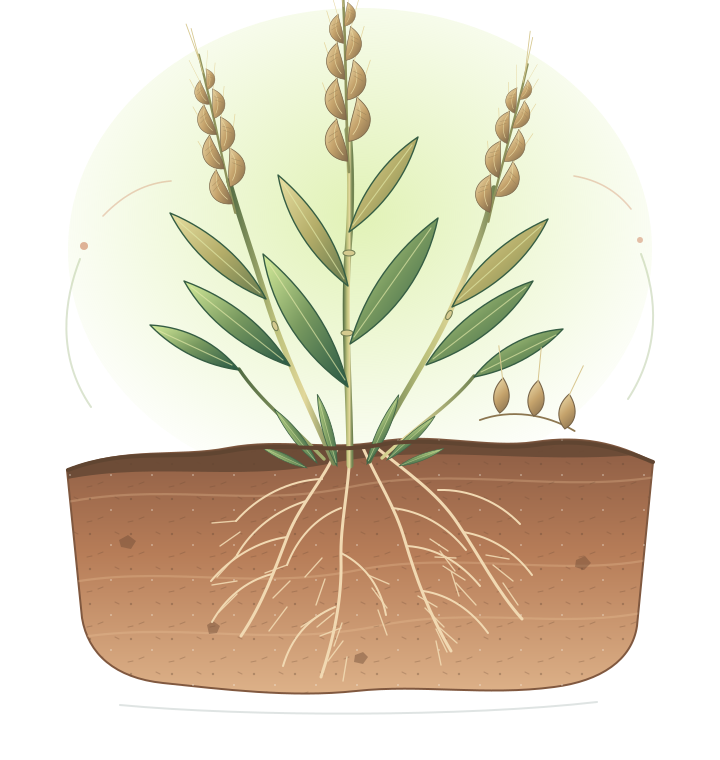
Rye plant with tall jointed stems, narrow arching leaves, long bearded ears with paired florets, slender kernels and fibrous roots in a soil cutaway.
Rye is an annual grass with basal tillers, tall hollow stems and slender ears. Winter habit describes vernalization and survival—not a perennial life cycle or permission to ignore lodging and ergot.

Know the crop

Crop profile

A cool-season annual cereal grown as winter or spring forms for mature grain, with especially winter-hardy autumn-sown types. Its tall straw needs measured fertility and an even stand to limit lodging. Grain can be cooked as whole berries or milled into flour, but rye contains gluten; any lot showing ergot bodies must be rejected for food and feed rather than cleaned by guesswork.

Crop essentials

Botanical name
Secale cereale
Growth
100–300 days From sowing to the first and only grain harvest of this annual crop. Spring rye commonly needs about 100–140 days; autumn-sown winter rye occupies roughly 240–300 days including winter dormancy, depending on latitude and sowing date. Cultivar, vernalization, elevation, moisture and harvest weather determine the actual window. This is not a perennial crop with recurring annual harvests.
Family
Poaceae, the grass family
Origin
Southwestern Asia, probably from wild relatives near the Fertile Crescent
Habit
Cool-season annual cereal with spring and winter forms, basal tillering, tall jointed stems and long grain-bearing ears. Winter rye is exceptionally cold-hardy when correctly established, but neither form tolerates every winter, waterlogged soil or ergot-contaminated harvest.

Nutrition / raw rye grain

Nutrition, in context

High Editorial nutrient-density rank 3. This is Rooted’s qualitative category for protein, fibre, folate, iron and potassium in the site’s ingredient comparison, with highlights adding context. It is not an official nutritional score or a universal ranking of foods.

Reference nutrients per 100 g raw rye grain; not cooked berries, flour or bread
NutrientAmount
Protein10.34 g
Fibre15.1 g
Folate38 µg
Iron2.63 mg
Potassium510 mg
  • Raw whole rye provides protein, substantial fibre, folate, non-heme iron and potassium, with magnesium (110 mg), phosphorus (332 mg) and manganese (2.577 mg) in the same reference.
  • These are raw dry-grain values: cooked berries contain absorbed water, while flour extraction and recipes change composition, so none should be assigned these numbers per 100 g.
  • Rye, including whole berries, flour, sourdough and crispbread, contains gluten and is unsuitable for a gluten-free diet or for people with coeliac disease.

Basis: Approximate values per 100 g raw rye grain (USDA FoodData Central SR Legacy 16885); this is the raw, dry whole-grain edible portion, not cooked rye berries, rye flour, bread or a cooked-weight comparison. Sort and rinse food-grade rye berries and simmer them in fresh water until tender; cool and refrigerate leftovers promptly. Flour needs its own product-specific basis. Harvest mature grain, dry it to the locally recommended moisture for the intended storage period, and keep it clean, cool and protected from pests and mould. Ergot appears as hard dark purple-black bodies replacing kernels: reject affected grain for food and feed, isolate the lot and seek local agricultural advice rather than relying on hand-picking, washing, milling or cooking to make it safe.

At the table

Build a varied meal around rye

  • Beans, lentils or chickpeas — Protein and fibre variety. Pulses add protein, fibre and folate to a rye meal. Their essential-amino-acid patterns can complement those of cereal grain across a varied diet without a required single-meal formula. Serve cooked rye berries with lentil and vegetable stew, or pair rye bread with chickpea salad.
  • Cabbage, carrots, peppers or leafy greens — Vegetables and non-heme iron. Vegetables broaden the meal, and vitamin-C-rich choices can support absorption of non-heme iron from plant foods. The response depends on the whole diet and iron status. Make a rye-berry bowl with cabbage, carrots and peppers, or serve mushroom-topped rye bread with leafy greens.
  • Eggs, fish, yogurt, cheese or tofu — Protein variety. These accompaniments add protein or different nutrients and flavours to rye-based meals. Choose according to preference and dietary needs; no single pairing is essential. Serve rye berries with tofu and vegetables, or use rye bread beside fish, eggs or yogurt and fruit.

The essentials

From the right habit to a sound, dry store

Six practical stages for a small cereal plot. Adapt cultivar, timing and seed rate to local winter survival, rainfall and harvest weather.

  1. Choose rye and its seasonal form

    Buy sound planting seed labelled Secale cereale, with cultivar, lot, germination and winter or spring habit identified. Winter rye is autumn-sown, needs cultivar-specific cold exposure before normal heading and is harvested the following summer. Spring rye heads without that winter requirement and is harvested in its sowing season. Neither is perennial; grain culinary berries may be old or treated and are not a substitute for planting seed.

  2. Sow into a firm, drained seedbed

    For grain, use local dates: winter rye generally enters autumn early enough to root and tiller before severe cold, while spring rye starts as soon as soil is workable. Sow evenly about 2–3 cm deep, adjusting modestly for soil and moisture, at the supplier’s locally appropriate rate. A fine, firm seedbed and good seed-to-soil contact matter more than a heavy scattering that produces a crowded, weak stand.

  3. Use modest fertility to limit lodging

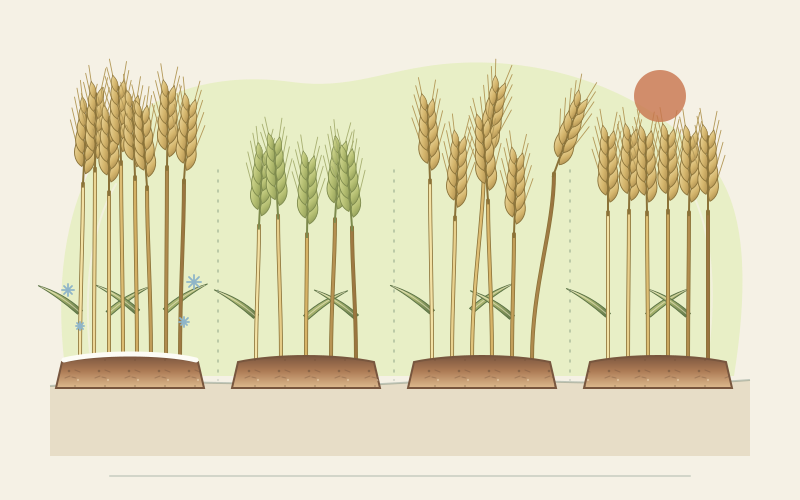
    Rye tolerates relatively light, acidic or lower-fertility soils but still responds to serious deficiencies and needs drainage. Use a soil test and local advice; avoid fresh manure, excessive nitrogen and over-dense growth, which make tall stems lean or fall—lodging that impedes drying and harvest. Weed early without compacting wet soil, rotate with unrelated crops and manage cereal and grass hosts of disease.

  4. Inspect flowering heads for ergot

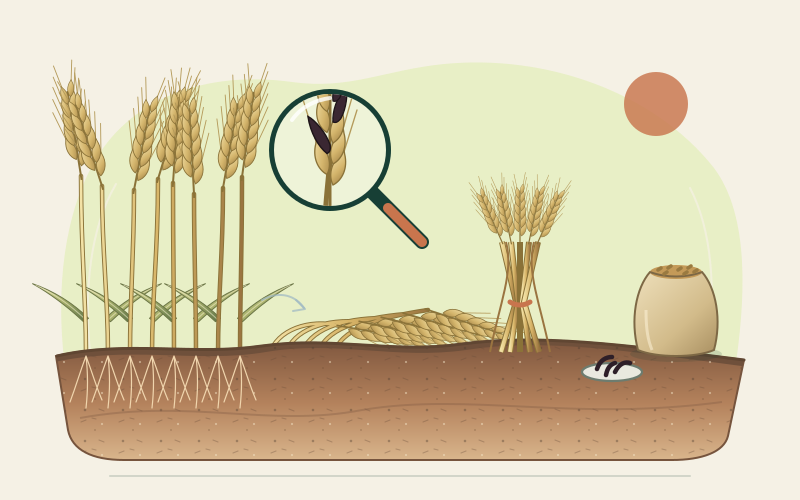
    Ergot, Claviceps purpurea, can replace rye kernels with hard, dark purple-black bodies called sclerotia. Cool wet flowering weather, contaminated seed and susceptible grass weeds can raise risk. Walk the whole plot during flowering and before cutting, looking into lodged and edge areas too. Mark suspect patches and keep their grain entirely separate; prevention includes clean seed, rotation and host-weed control under local guidance.

  5. Reject ergot and harvest sound grain

    If ergot bodies appear, reject the affected lot for food and feed. Do not assume hand-picking, washing, cooking or milling makes it safe; isolate it and ask local agricultural authorities about disposal without spreading sclerotia or feeding wildlife. For sound heads, sample kernels rather than judging straw colour, then cut mature grain before shattering or prolonged rain onto a clean catching surface with safe hand tools.

  6. Dry, thresh, clean and store

    Spread sound heads thinly or hang small loose sheaves under ventilated cover; never heap damp material. Thresh dry heads gently, winnow and sieve without breathing dust, and remove stones and damaged material. Hard kernels are not a moisture measurement: test appropriately for the intended storage period. Store only clean, dry, cool grain in labelled food-safe containers and inspect for condensation, insects, heating, odour or mould. Discard mouldy grain.

Growing notes by place

Read your region, then read your weather

Compare broad growing conditions, then adjust for your own frost dates, altitude, rainfall and soil.

Cool, temperate and often maritime, with relatively mild winters in many lowlands and wet harvest weather in some districts.

Northwestern Europe

Winter rye fits cool lowlands and tolerates poorer, lighter soils better than many cereals, though waterlogging and excess nitrogen still cause problems. Spring rye is an option where autumn establishment is missed.

Indicative planting
Sow locally adapted winter rye around September–October, early enough to establish before cold; sow a true spring cultivar around February–April when soil is workable. Do not substitute a winter cultivar without confirming vernalization.
Indicative harvest
Harvest winter rye around July–August and spring rye around August–September when kernels are hard and mature. Reject ergot-affected lots; otherwise dry, thresh and clean sound grain promptly before storage.
Soil and moisture
Well-drained light to medium soil with good seed-to-soil contact and measured fertility. Avoid saturated hollows, overly dense stands and heavy nitrogen that encourage tall, lodged growth.

Field note: Winter hardiness does not confer flood tolerance. Inspect every head-bearing area for ergot during flowering and again before harvest, and never assume maritime rain will dry stored grain.
Dates are indicative. Local frost forecasts, seasonal rainfall and recent weather—not the calendar alone—should guide sowing and harvest.

Northwestern Europe · winter rye example

An autumn-to-summer grain rhythm

A compact planning guide, not a fixed schedule. Shift it with cultivar, latitude, altitude, winter survival and local conditions.

  1. September–October

    Choose a locally adapted winter cultivar and prepare a sunny, firm, well-drained seedbed. Sow at the district’s recommended date and rate so plants establish before severe cold without becoming excessively lush.

  2. October–March

    Check establishment and drainage without compacting wet soil. The annual stand overwinters and meets its cultivar-specific cold requirement; avoid heavy nitrogen and do not mistake dormancy for crop failure.

  3. April–June

    Monitor spring regrowth, weeds and disease while limiting lodging. Inspect all parts of the plot through flowering for dark ergot bodies and isolate any suspect grain before preparing the clean harvest area.

  4. July–August

    Reject ergot-affected lots. Cut only sound mature grain before shattering or prolonged rain, dry with airflow, thresh and clean carefully, verify storage dryness and pack only cool, sound grain.

This winter example occupies roughly 240–300 days within the broad 100–300 day range. For locally adapted spring rye, sow around February–April when soil is workable and expect a single harvest about 100–140 days later, commonly August–September; cultivar and weather still determine maturity.

From the field journal

Grow, choose and cook your rye

Practical reading for a standing cereal crop, informed winter or spring choices, and an exact raw-grain reference with clear flour, cooking and gluten distinctions.

Your next harvest begins here

Keep the straw standing and the grain sound.

A modest rye plot is enough to learn local establishment, winter survival, tillering, flowering and lodging. Choose the right seasonal habit, inspect every part of the crop for ergot and make drying, cleaning and protected storage part of the plan from sowing day.

Open the growing guide