Crop 013 / Pisum sativum

Sow into the cool season, then pick at the right stage.

Grow garden peas for flat snow pods, crisp snap pods, tender shelling peas or mature dry seed. Direct-sow while conditions are cool, match support to the cultivar, and harvest each type for its intended use.

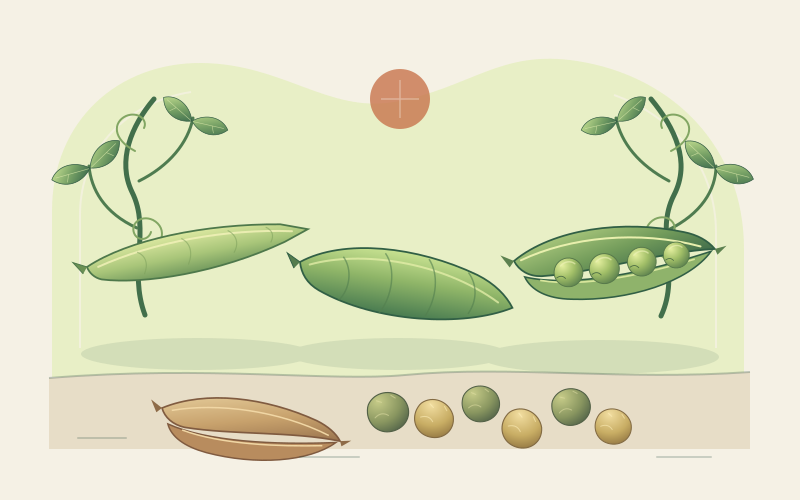
One garden species, four harvests
Snap, snow, shelling or dry The cultivar’s intended use determines when and what to pick.
Typical first green-pod harvest
55–80 days From direct sowing under favourable cool conditions; dry seed needs longer.
Season
Cool, not prolonged heat Local frost, soil conditions and summer heat determine the sowing window.
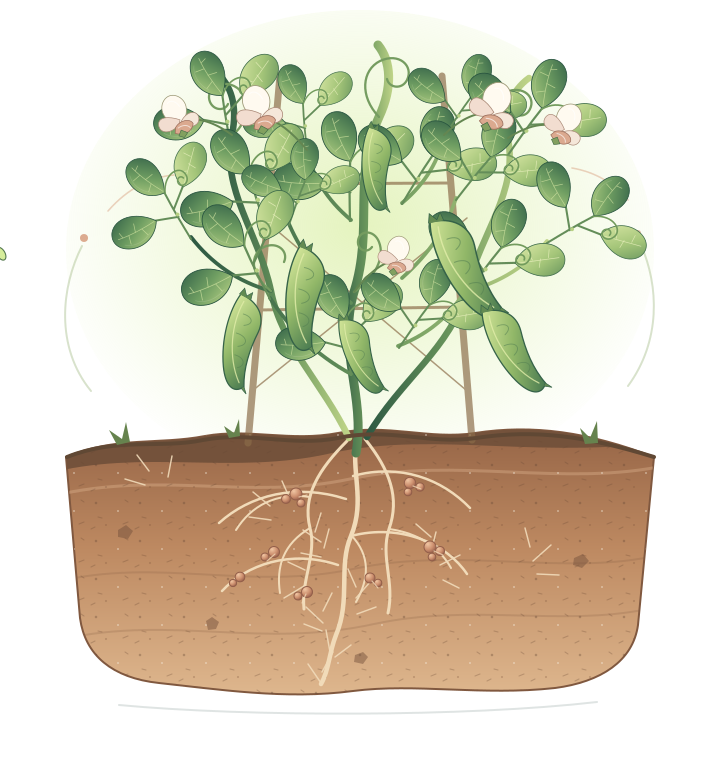
Climbing garden pea plant with paired leaflets, coiling tendrils, ivory flowers, green pods and root nodules in a soil cutaway.
Coiling tendrils help climbing peas grip a support; compatible rhizobia can inhabit nodules on the roots.

Know the crop

Crop profile

A cool-season legume harvested here as immature green seeds. Garden peas are Pisum sativum, not cowpeas or black-eyed peas (Vigna unguiculata), and this entry’s cooked values do not describe dried split peas or immature edible pods alone.

Crop essentials

Botanical name
Pisum sativum
Growth
55–80 days From direct sowing to first green-pod harvest under favourable cool conditions. Early cultivars are faster; cold soil slows establishment, while heat shortens flowering and pod filling. Harvest promptly as peas pass peak tenderness quickly.
Family
Fabaceae, the legume family
Origin
Southwestern Asia and the eastern Mediterranean region
Habit
Cool-season annual legume, with dwarf and tall climbing forms

Nutrition / boiled and drained

Nutrition, in context

High Editorial nutrient-density rank 3. This is Rooted’s qualitative category for protein, fibre, folate, iron and potassium in the site’s cooked-food comparison, with highlights adding context. It is not an official nutritional score or a universal ranking of vegetables.

Reference nutrients per 100 g green garden peas, cooked, boiled, drained, without salt
Nutrient Amount
Protein 5.36 g
Fibre 5.5 g
Folate 63 µg
Iron 1.54 mg
Potassium 271 mg
  • Provides more protein and fibre than the reference cooked carrots, cabbage or winter squash.
  • Contains folate, non-heme iron, potassium and vitamin C (14.2 mg) in the cooked edible portion.
  • These values describe green garden peas, not cowpeas, dried split peas or raw peas.

Basis: Approximate values per 100 g green garden peas, cooked, boiled, drained, without salt (USDA FoodData Central SR Legacy 170420). Cultivar, maturity, freezing, boiling and drained weight change nutrient content. Listed values do not show absorption or individual dietary needs; fresh green peas and mature dry pulses have different cooking requirements.

At the table

Build a varied meal around peas

  • Rice, barley or whole-grain bread — A varied meal. Grains and peas have different essential-amino-acid patterns that can complement each other across a varied diet. They do not need to be eaten in the same meal. Serve peas with rice and tofu, or add them to a barley and vegetable dish.
  • Carrots, potatoes or winter squash — Vegetable variety. These vegetables add different textures and nutrients alongside peas. This is a flexible meal suggestion rather than a required nutrient-combining rule. Cook peas with carrots and potatoes, or serve them beside squash and beans.
  • Eggs, fish, yogurt or tofu — Protein variety. Peas provide protein, but these accompaniments can further vary a meal’s protein sources and nutrients. Choose according to preference and needs. Add peas to a tofu fried-rice dish or serve them with fish and potatoes.

The essentials

From a cool-season row to the harvest you chose

Six practical stages. Adapt sowing, support and harvest to your cultivar, local weather and intended use.

  1. Choose the pea and its harvest

    Confirm that the packet is edible garden pea, Pisum sativum, rather than warm-season cowpea or ornamental sweet pea. Choose snow for flat edible pods, snap for full crisp edible pods, shelling for tender seeds or a dry type for mature storage seed. Check mature height and days to harvest separately.

  2. Direct-sow into workable soil

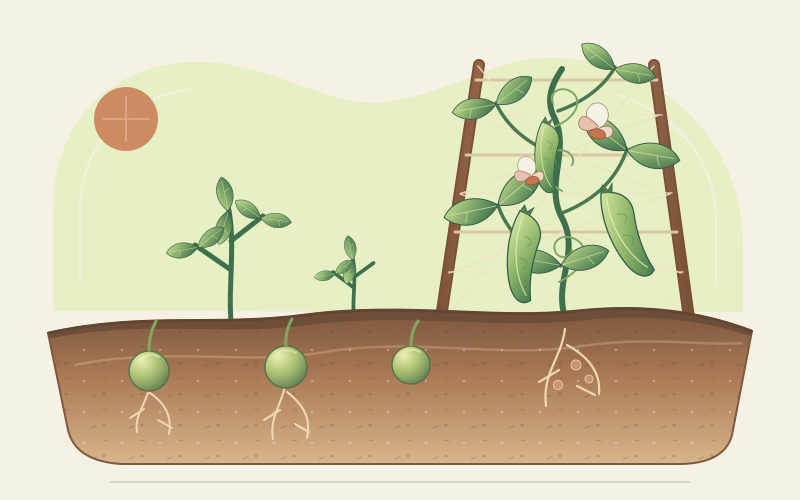
    Use a sunny, reasonably sheltered, free-draining bed and sow where plants will grow once local conditions suit the cool season. Follow the packet first; a common starting depth is about 3–5 cm, with seeds roughly 5–8 cm apart. Keep the seedbed moist but not saturated, and avoid cold mud.

  3. Install support before roots fill the bed

    Match twiggy sticks, netting, wire or a trellis to the cultivar’s mature height, and anchor it against wind. Put support in at sowing or soon after emergence. Guide stray shoots onto it; even dwarf plants often benefit from short branching sticks that keep pods above wet soil.

  4. Treat inoculation as situational

    Peas can form root nodules with compatible rhizobia, but a purchased inoculant is not always needed and does not guarantee a yield increase. A fresh, pea-compatible product may be useful where peas have not grown before or nodulation has been poor. Follow its directions and avoid excessive nitrogen.

  5. Protect seedlings and water at the roots

    Use secure, wildlife-safe covers where birds are a recurring problem, and inspect for slugs and snails in damp conditions. Water during dry spells, especially through flowering and pod filling, without waterlogging. Space rows for air movement and choose resistant cultivars where local mildew pressure warrants them.

  6. Pick by type, then cool or dry

    Hold the vine with one hand while picking with the other. Harvest snow pods while flat and tender, snap pods plump and crisp, and shelling peas full-sized but still tender. Let dry-pea pods mature and become brittle, then dry the seeds fully before airtight storage. Refrigerate fresh harvests promptly.

Growing notes by place

Read your region, then read your weather

Compare broad growing conditions, then adjust for your own frost dates, altitude, rainfall and soil.

Cool, temperate and often maritime, with local differences in soil warmth, frost and summer heat.

Northwestern Europe

Peas suit spring and early-summer sowing in Britain, Ireland and nearby districts. Repeat sowings extend harvest where weather stays mild.

Indicative planting
Direct-sow March–June once soil is workable, using cloches for early crops and avoiding cold, saturated ground.
Indicative harvest
Pick green pods from May–September according to sowing and cultivar. Harvest when peas fill the pod but remain tender.
Soil and moisture
Fertile, moisture-retentive and free-draining soil with organic matter; avoid excess nitrogen and waterlogging.

Field note: Support cultivars that need it, protect seedlings from birds and water during flowering and pod filling.
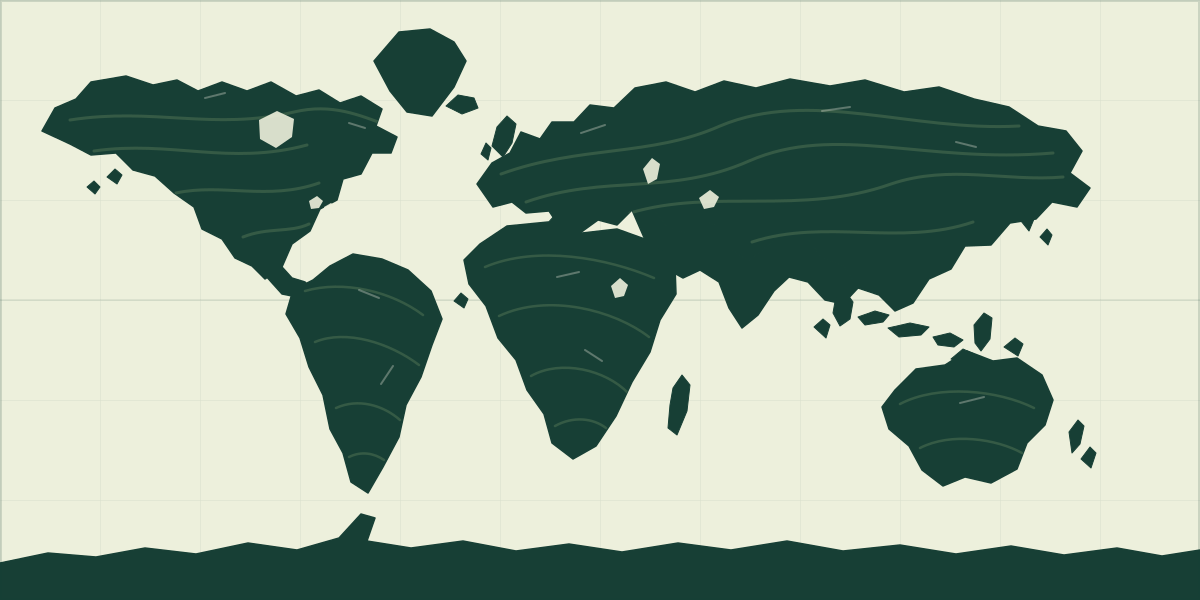
Dates are indicative. Local frost forecasts, heat, seasonal rainfall and recent weather—not the calendar alone—should guide sowing and harvest.

Cool-temperate Northern Hemisphere · example

A cool-season rhythm

A compact planning guide, not a fixed schedule. Shift it with latitude, altitude, cultivar and local conditions.

  1. February–March

    Prepare a sunny, free-draining bed and obtain the chosen pea type and suitable support. Use cloches for early crops where appropriate, but wait for workable soil rather than sowing into cold, saturated ground.

  2. March–June

    Direct-sow in small successive batches while cool conditions remain. Install support at sowing or soon after emergence, water gently, and protect seedlings from birds where needed.

  3. May–August

    Guide climbing growth onto its support and maintain root moisture through flowering and pod filling. Pick snow, snap and shelling types frequently at their intended stages before heat or overmaturity reduces quality.

  4. August–October

    Where enough cool, frost-free time remains, a locally timed late-summer sowing may supply an autumn crop. Leave dry types to mature fully, and bring dry pods under ventilated cover if prolonged wet weather threatens.

The 55–80 day window refers to a first green-pod harvest under favourable cool conditions, not dry-seed maturity. Cold soil slows establishment; heat shortens flowering and pod filling.

From the field journal

Grow, choose and cook your peas

Practical reading for cool-season sowing, the four harvest types and cooked green peas in a varied meal.

Your next harvest begins here

Start with the pod or seed you want.

A short cool-season row is enough to learn the crop. Choose the harvest type, support the plants from the start and keep notes as local weather shapes the picking window.

Open the growing guide