What it does
Bicyclic monoterpene ether (also called eucalyptol or 1,8-cineole). Found in eucalyptus, tea tree, cardamom, rosemary, and bay laurel. Mucolytic: thins respiratory mucus by reducing mucin production. Bronchodilatory via anti-inflammatory action (inhibits TNF-α, IL-1β) 12. Also antimicrobial against respiratory pathogens. Volatile: significantly lost during boiling — steam inhalation captures cineole effectively. Alcohol tincture preserves cineole well. Drying causes 30–50% cineole loss. Absorbed through skin and lungs as well as GI tract. Hepatically metabolized to 2-hydroxycineole. Well-tolerated at normal doses; large doses of isolated eucalyptus oil can cause seizures.
Plants that contain it
Ayurveda · Unani
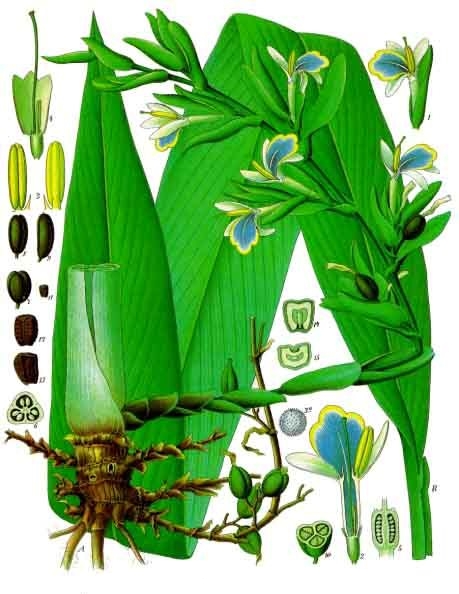
Cardamom
Elettaria cardamomum
Traditionally used for nausea with cold sensations in stomach; morning sickness; nausea after heavy meals.
- chewing
- decoction
- powder
- Used for
- 2 conditions
- Body systems
- Digestive, Oral & Dental Health
Plant Serious cautions
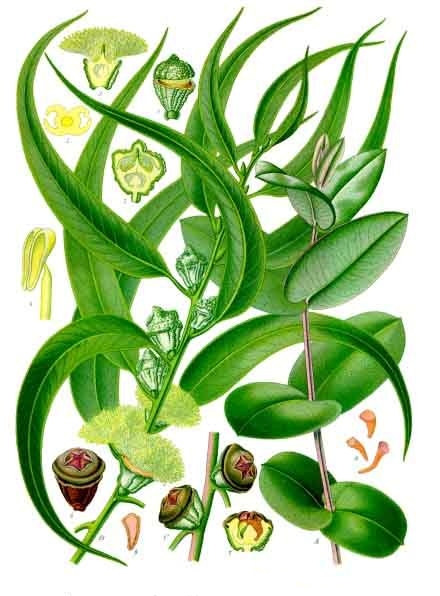
Eucalyptus
Eucalyptus globulus
Traditionally used for nasal and sinus congestion; chest congestion; headache from sinus pressure.
- essential oil
- oil
- steam inhalation
- tea
- Used for
- 1 condition
- Body systems
- Respiratory
European · Unani Serious cautions
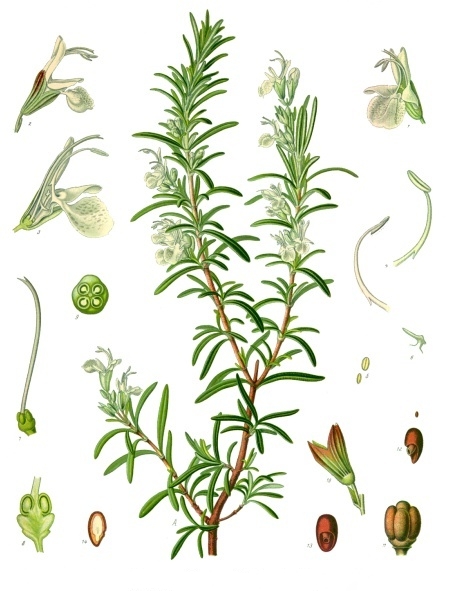
Rosemary
Rosmarinus officinalis
Traditionally used for low blood pressure with fatigue; circulatory weakness; cold constitutions.
- essential oil
- infusion
- oil
- tea
- Used for
- 2 conditions
- Body systems
- Circulatory, Nervous System & Mental State

European
Tea Tree Oil
Melaleuca alternifolia
Traditionally used for athlete’s foot; ringworm; nail fungus.
- oil
- Used for
- 5 conditions
- Body systems
- Fever & Infection, Wounds, Skin & External Conditions +1
Research references
- Juergens UR et al.. Inhibition of cytokine production and arachidonic acid metabolism by eucalyptol (1.8-cineole) in human blood monocytes in vitro. Eur J Med Res, 1998.
- Juergens UR et al.. Inhibitory activity of 1,8-cineol (eucalyptol) on cytokine production in cultured human lymphocytes and monocytes. Pulm Pharmacol Ther, 2004.