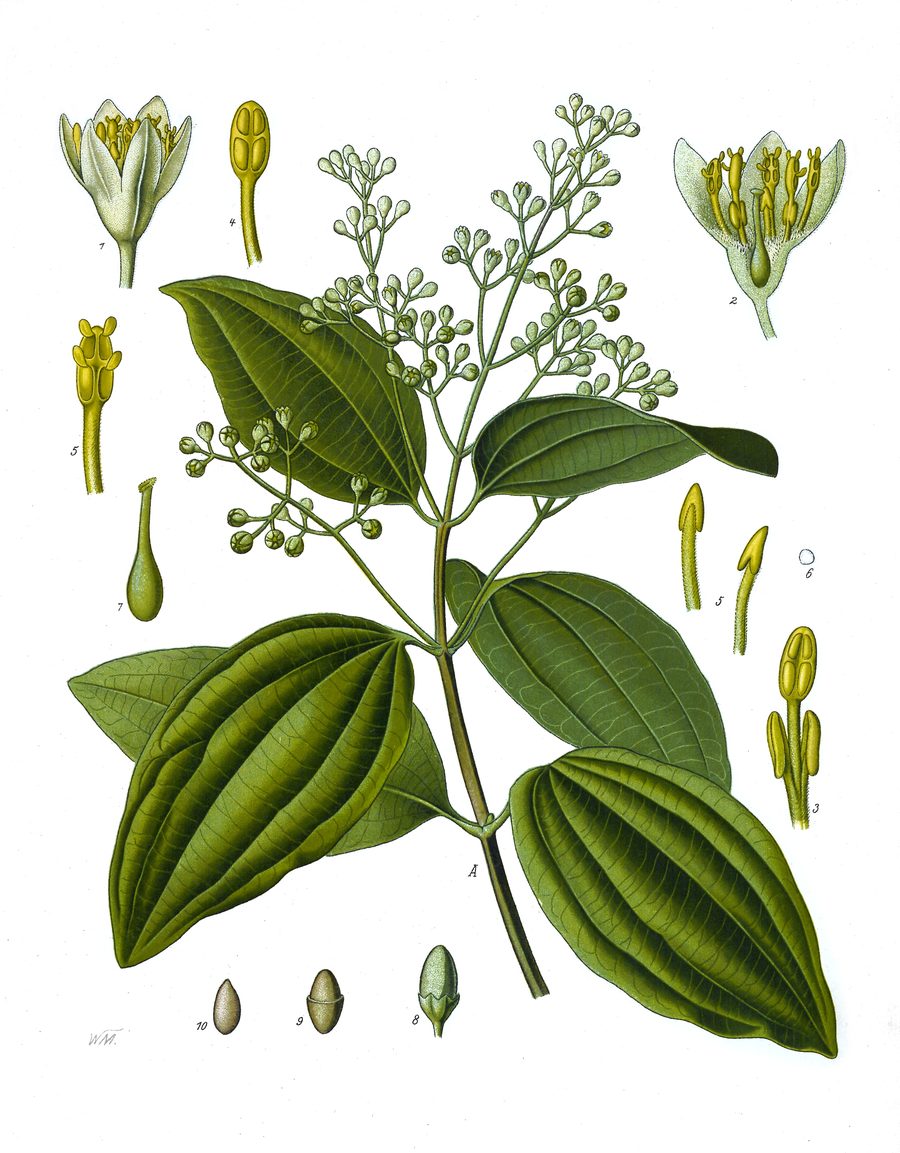
Traditionally used for heavy menstrual bleeding; menstrual cramps.
Traditional uses
- For heavy menstrual bleeding
- For menstrual cramps (warming)
- Safe enough for regular use during period
Conditions it is used for
Women’s Health
In the old texts
Cinnamon has been used for heavy menstrual bleeding across multiple traditions. Its warming, astringent properties reduce bleeding while supporting circulation.
What does the work
- Cinnamaldehyde
- Phenylpropanoid aldehyde responsible for cinnamon’s flavor and aroma.
- Tannins
- Polyphenolic compounds that bind and precipitate proteins.
- Volatile oils
- Complex mixtures of terpenes, terpenoids, and phenylpropanoids responsible for plant aromas and many therapeutic effects.
Cautions
- Blood thinners Serious
Many herbs inhibit platelet aggregation (via COX-1, thromboxane A2, or PAF pathways) or potentiate warfarin metabolism (CYP2C9/3A4 interactions), increasing bleeding risk when combined with anticoagulant drugs 1. - Blood sugar Take care
Herbs containing berberine, cinnamaldehyde, or chromium-potentiating compounds can lower blood glucose via AMPK activation or enhanced insulin sensitivity 2, risking hypoglycemia when combined with diabetes medications.
These are the cautions recorded for this plant, not a complete list. Doses, preparations and interactions vary; ask a pharmacist or qualified practitioner before combining a herb with medication.
Research references
- Heck AM et al.. Potential interactions between alternative therapies and warfarin. Am J Health Syst Pharm, 2000.
- Lee YS et al.. Berberine, a natural plant product, activates AMP-activated protein kinase with beneficial metabolic effects in diabetic and insulin-resistant states. Diabetes, 2006.