Crop 036 / Vigna unguiculata

Warm soil first. Fresh pods or a dry jar later.

Direct-sow cowpeas after frost into warm soil, then match the plant’s habit and harvest to your space. Pick filled green pods for fresh shelling or let seed mature and dry for storage—and keep water available when flowers and pods need it.

Two useful finishes
Fresh shelling or dry seed Many crops begin fresh harvest around 60–75 days; dry seed commonly needs about 75–100 days.
Plant habit
Bush, semi-vining or climbing Read the cultivar description and support only plants that need it.
Season
Warm and frost-free Heat and dry-spell adaptation have limits, especially at establishment, flowering and pod filling.
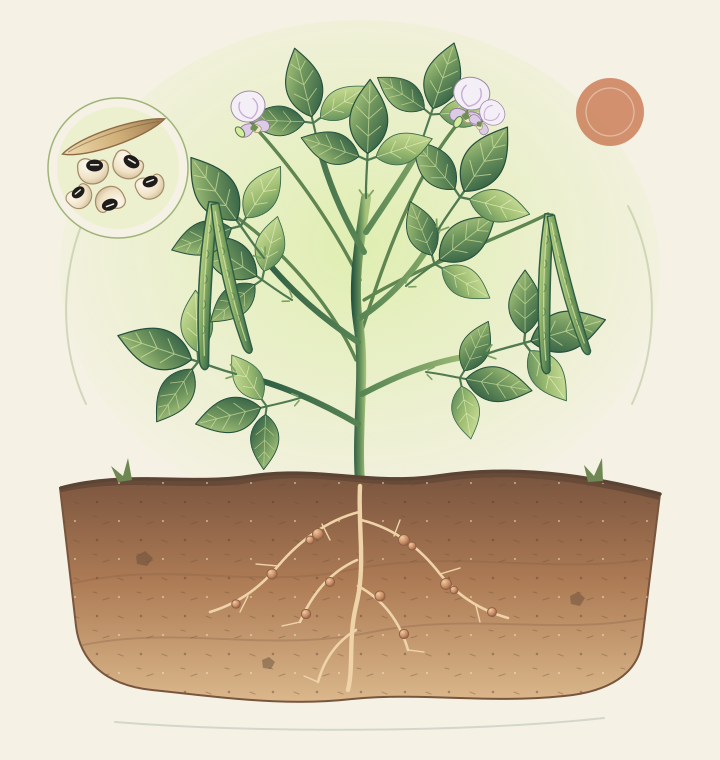
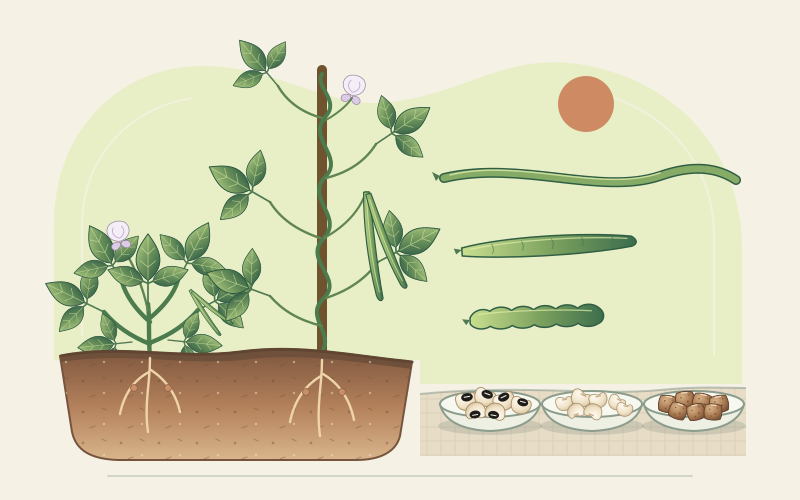
Cowpea plant with trifoliate leaves, pale pea-like flowers, long slender pods, black-eyed seeds and a branching root system with nodules in a soil cutaway.
Three leaflets form each cowpea leaf. Long pods can supply fresh shelled seed or mature dry seed, while compatible bacteria may inhabit root nodules.

Know the crop

Crop profile

A warm-season annual pulse grown for tender green pods, fresh shelled seed or mature dry seed. Bush, semi-vining and climbing habits suit different spaces and harvest patterns. Cowpeas often tolerate heat and intermittent dry conditions better than many legumes once established, but still need moisture for establishment, flowering and pod filling and cannot withstand frost or waterlogging.

Crop essentials

Botanical name
Vigna unguiculata
Growth
60–100 days From direct sowing to first useful harvest. Many crops begin yielding fresh shelled seed at about 60–75 days, while mature dry seed commonly needs about 75–100 days. Cultivar, day length, temperature, moisture, elevation and the chosen harvest stage shift both windows; some long-season types need longer.
Family
Fabaceae, the legume family
Origin
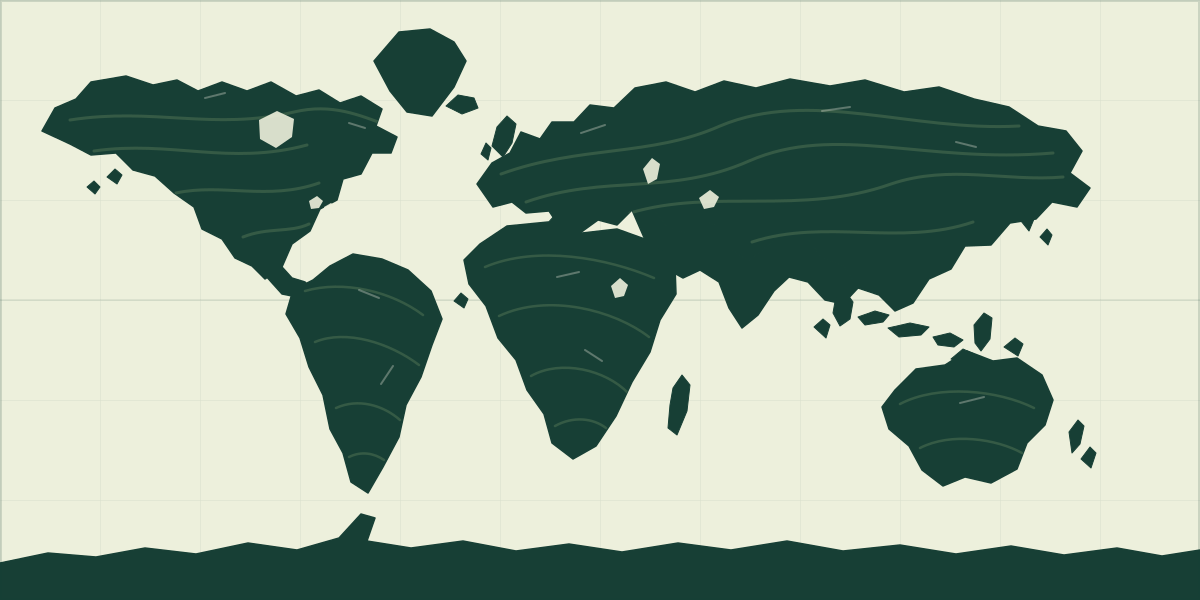
Sub-Saharan Africa, with domestication most often associated with West Africa
Habit
Frost-tender warm-season annual with bush, semi-vining and climbing cultivars; harvest timing and support depend on the selected type

Nutrition / mature seed, boiled without salt

Nutrition, in context

High Editorial nutrient-density rank 3. This is Rooted’s qualitative category for protein, fibre, folate, iron and potassium in the site’s cooked-food comparison, with highlights adding context. It is not an official nutritional score or a universal ranking of pulses.

Reference nutrients per 100 g mature cowpeas, cooked, boiled, without salt
NutrientAmount
Protein7.73 g
Fibre6.5 g
Folate208 µg
Iron2.51 mg
Potassium278 mg
  • Provides protein, fibre and a substantial folate content in the cooked mature-seed reference.
  • Contains non-heme iron and potassium in the cooked edible portion.
  • These values describe boiled mature cowpeas, not raw dry seed, fresh shelled seed, immature pods or canned products with added ingredients.

Basis: Approximate values per 100 g cowpeas, common (blackeyes, crowder, southern), mature seeds, cooked, boiled, without salt (USDA FoodData Central SR Legacy 173759). View the USDA reference. Sort and rinse dried cowpeas, discard doubtful seed and cook in water until completely tender; soaking is optional but can shorten cooking. Soaking or drying is not cooking. Use fresh seed and immature pods promptly as perishable vegetables, refrigerate cooked leftovers promptly and keep dry seed thoroughly dry in sealed containers. Cultivar, water uptake, preparation and serving size change values per portion, and listed nutrients are not absorbed amounts.

At the table

Build a varied meal around cowpeas

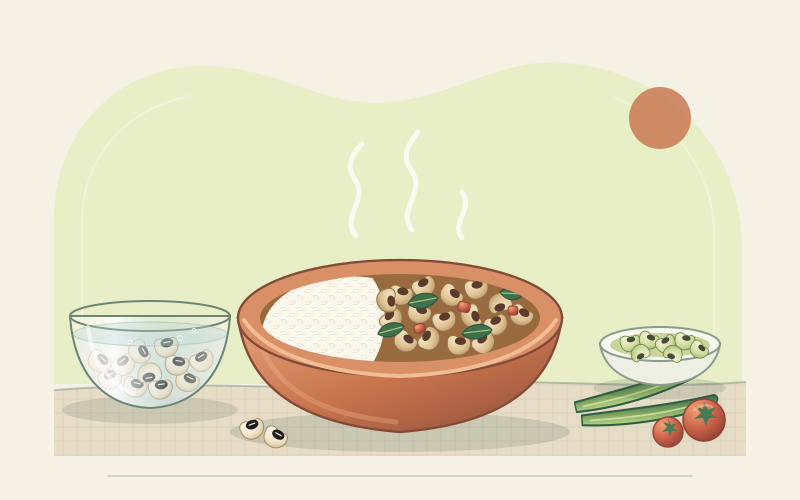
  • Rice, maize, millet or whole-grain bread — Complementary amino-acid patterns. Cowpeas and cereal grains have different essential-amino-acid patterns that can complement each other in a varied diet. They do not need to be combined in the same meal. Serve cooked cowpeas with rice and vegetables, or use them in a maize-based meal with leafy greens.
  • Tomatoes, peppers, cabbage or citrus — Vitamin C and non-heme iron. Vitamin-C-rich foods can support absorption of non-heme iron from cowpeas and other plant foods. Actual absorption depends on the whole diet and iron status. Cook cowpeas with tomatoes and sweet peppers, or serve a citrus-dressed cabbage salad alongside.
  • Leafy greens, carrots, okra or squash — Vegetable variety. Vegetables add flavours, textures and different nutrients to a cowpea-based meal. No particular vegetable combination is essential. Simmer cowpeas with leafy greens and carrots, or serve them with squash and a grain.

The essentials

From warm-soil sowing to the harvest you chose

Six practical stages. Match cultivar, support, water and timing to your frost-free season, rainfall and intended fresh or dry finish.

  1. Choose a habit, harvest and suitable season

    Bush plants suit a compact, relatively concentrated crop; semi-vining and climbing plants spread or climb and often need more room or support. Choose fresh green pods, filled shelling seed or mature dry seed before sowing, then select a locally adapted cultivar whose maturity and day-length response fit the season.

  2. Direct-sow after frost into warm soil

    Sow where plants will grow once frost risk has passed and soil is roughly 18°C or warmer, moist but not saturated. A general starting depth is 2.5–4 cm, with seeds about 7–10 cm apart; follow the packet for seed size, habit and row spacing. Firm for good contact and water gently if needed.

  3. Give sun, drainage and the right support

    Use a sunny, well-drained bed with moderate fertility. Thin severe overcrowding and weed while plants are small. Install a strong trellis, netting or stakes for climbing cultivars before roots are disturbed; bush types need no routine trellis. Avoid waterlogged hollows and compacted soil.

  4. Keep nitrogen modest and water by need

    Avoid rich feeding that favours leaves over pods. Compatible root-nodule bacteria can supply part of the crop’s nitrogen where active; use only cowpea-compatible inoculant if locally recommended. Do not mistake drought adaptation for independence from water: check the root zone and irrigate at soil level for establishment, flowering and pod filling.

  5. Pick fresh or wait for mature dry pods

    For tender pods, pick while young and flexible where the cultivar is intended for whole-pod eating. For fresh shelling, harvest when seeds fill the pod but remain soft and green. For dry seed, let pods become dry and straw-coloured to brown and seeds hard, gathering them before prolonged rain, mould or shattering.

  6. Chill fresh food; dry and inspect storage seed

    Refrigerate fresh pods or shelled seed promptly and cook before eating. For storage, shell brittle pods, remove debris and spread seed in a thin ventilated layer until thoroughly dry. Discard mouldy, insect-damaged or doubtful seed. Seal only dry seed in clean food-safe containers, label and check for condensation or insects; drying never replaces thorough cooking.

Growing notes by place

Read your region, then read your weather

Compare broad growing conditions, then adjust for your own frost dates, altitude, rainfall and soil.

Cool, temperate and often maritime, with variable summer warmth, late spring frost and frequently damp autumn weather.

Northwestern Europe

Cowpea is a marginal outdoor crop in much of this region. A warm, sheltered, sunny site and an early cultivar give the best chance of fresh seed; a reliable dry harvest is less certain in cool districts.

Indicative planting
Direct-sow late May–June after local frost when soil has warmed to about 18°C or more and is not saturated. Use the earliest locally trialled bush cultivar; do not sow into cold soil to chase an early date.
Indicative harvest
Pick fresh pods or shelling seed around August–September where summer is warm enough. Mature dry pods may follow in September; gather before prolonged rain or frost and finish drying under ventilated cover.
Soil and moisture
Light to medium, free-draining soil in full sun and shelter, with moderate fertility and moisture for establishment and pod filling; avoid excess nitrogen and waterlogging.

Field note: Treat dry-seed yields as uncertain, install support only for vining cultivars and keep harvested pods dry rather than leaving them in a damp heap.
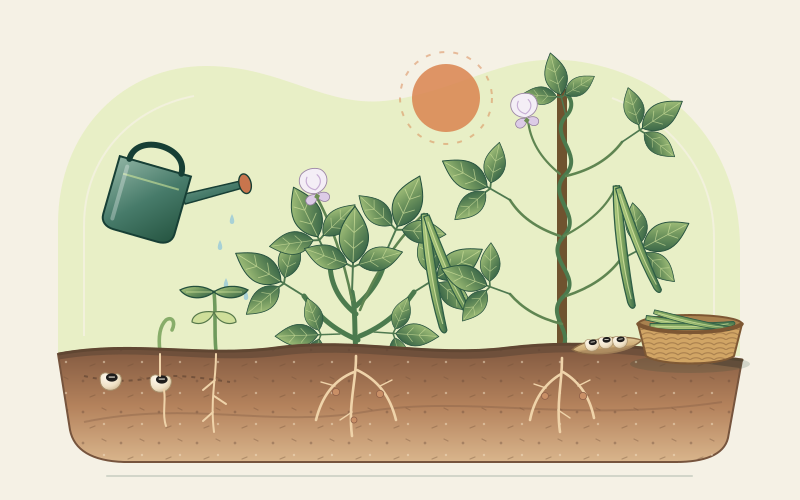
Dates are indicative. Local frost forecasts, seasonal rainfall, harvest dry-down weather and recent conditions—not the calendar alone—should guide sowing and harvest.

Warm temperate Northern Hemisphere · example

One warm season, two harvest endpoints

A compact planning guide, not a fixed schedule. Shift it with latitude, altitude, cultivar, frost and local rainfall.

  1. April–May

    Choose a locally adapted bush or climbing cultivar for fresh or dry harvest. Prepare a sunny, well-drained bed and any needed support, but wait for frost to pass and soil to warm before sowing.

  2. May–June

    Direct-sow into warm, moist soil, water gently if needed and check emergence. Thin severe overcrowding, weed while small and avoid heavy nitrogen feeding.

  3. June–August

    Maintain suitable root-zone moisture through flowering and pod filling. Train climbing plants, inspect for local pests and diseases, and begin picking fresh pods or filled green shelling pods at the desired stage.

  4. August–October

    For dry seed, let pods mature and dry, gathering them before sustained rain, frost or shattering. Shell, clean and finish drying seed thoroughly before sealed storage; refrigerate and cook fresh harvests promptly.

Fresh shelling commonly begins around 60–75 days and dry seed around 75–100 days after favourable sowing, but cultivar and weather can extend either window. Heat and drought tolerance do not guarantee pod set or maturity.

From the field journal

Grow, choose and cook your cowpeas

Practical reading for warm-soil sowing, informed habit and harvest choices, and balanced meals grounded in the cooked mature-seed reference.

Your next harvest begins here

Choose the pod’s finish before you sow.

A short row is enough to learn how a cowpea cultivar grows in your warmth and rainfall. Match support to habit, keep water available at the critical stages and decide whether the kitchen needs fresh seed now or a thoroughly dried jar later.

Open the growing guide